Being prepared outdoors usually looks a lot less dramatic than most people expect. It is rarely about planning for a movie-style survival scenario. More often, it is about having a small margin for error when the day stops going as planned: a missed junction, a weather shift, a longer-than-expected hike, a cold wait for help, or an unplanned night out. 🏕️
That is where a kit like the Lifeline Essential Ultralight Survival Kit starts to make sense. It is not built to replace skill, judgment, or a full backcountry setup. It is built to give hikers, campers, and road trippers a lightweight emergency backup that is easy to carry and easy to keep close.
At just 4.5 ounces, this 29-piece kit is small enough to disappear into a daypack, glove box, or camp tote. It is also inexpensive enough that it feels approachable for beginners who want a little extra preparedness without building a custom kit from scratch. That combination is a big part of the appeal. 😊
Still, tiny and affordable does not automatically mean useful. The real question is whether the contents are practical enough to matter when conditions turn uncomfortable or inconvenient. This review breaks down what is inside, what each item actually helps with, what is missing, and who this kit makes the most sense for.
The Short Answer: Our Quick Take
For many hikers and campers, the Lifeline Ultralight Survival Kit is easy to recommend as a small, no-fuss emergency backup. It covers the basic pillars that matter most in a minor outdoor emergency: warmth, fire, signaling, and simple repairs. It is extremely light, compact, and affordable, which makes it much more likely to get carried in the first place.
That said, this is still a minimalist kit. It is not a substitute for a real first-aid kit, a reliable water treatment method, a headlamp, or a knife. It works best as a starter survival kit or a compact backup layer, not as a complete answer for serious backcountry travel.
| Specification | Lifeline Ultralight Survival Kit |
|---|---|
| Weight | 4.5 ounces (128 g) |
| Dimensions | 5″ x 4″ x 1.25″ |
| Piece Count | 29 pieces |
| Key Contents | Emergency Blanket, Fire Starter, Whistle, Duct Tape |
| Price Tier | $ (Very Affordable) |
| Best For | Day hiking, car camping kits, beginner emergency preparedness |
Unpacking the Kit: A Detailed Component Breakdown
A survival kit only matters if the individual pieces solve real problems. On paper, 29 pieces can sound more impressive than it really is, so it helps to group the contents by what they actually do in the field.
Shelter & Warmth
When things go sideways outdoors, staying warm and protecting yourself from exposure becomes the first priority fast. Even a mild day can turn risky once wind, rain, fatigue, or immobility enter the picture. 🌲
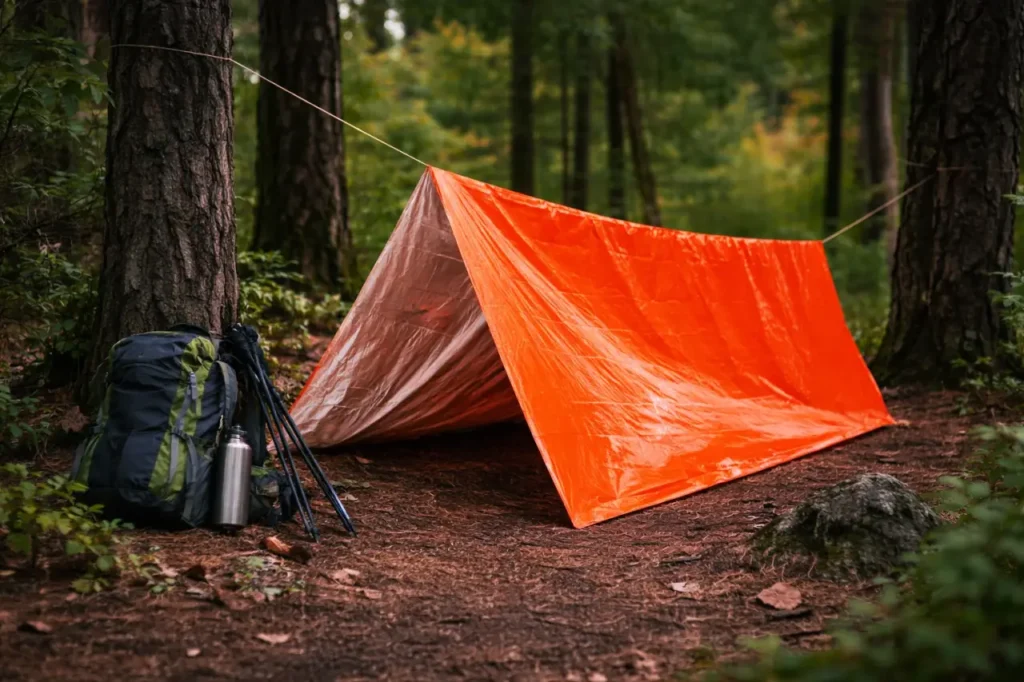
- Emergency Blanket (1): This Mylar blanket is the heart of the kit. It reflects body heat, blocks wind better than nothing else at this weight, and packs down to almost no size.
- Why it matters: This is the piece most likely to make a real difference in a genuine emergency. It can help retain warmth if a hiker gets stuck after dark, waits for help, or needs to sit out bad weather. It can also pull extra duty as a ground barrier, a crude rain shield, or a high-visibility signaling surface.
This is not a cozy shelter solution, and it is not the same thing as carrying proper insulating layers. But for a tiny pouch kit, including a heat-reflective blanket is exactly the right call.
Fire Starting
Fire is one of the most valuable survival tools in any emergency setup, especially when cold, wet conditions start stacking small problems into bigger ones.
- Flint Striker & Steel (1): The kit includes a small ferro-style fire starter and striker that throws sparks when scraped correctly.
- Why it matters: This kind of fire starter is far more dependable than paper matches in damp weather. It does not rely on fuel like a lighter, and it can still work after getting wet. That makes it a smart inclusion for a backup kit.
- Wet Fire Tinder (2): Two compact tinder cubes are included to help catch sparks and burn long enough to ignite kindling.
- Why it matters: This fills one of the biggest gaps in fire starting: reliable tinder. In real outdoor conditions, especially after rain or in humid forests, finding dry starter material can be harder than people expect. Having guaranteed tinder improves the odds that the spark source actually turns into a flame. 🔥
The big limitation here is skill. A ferro rod is useful, but only if the user has practiced with it. Anyone buying this kit should test the striker and tinder at home before depending on it outside.
Signaling & Location
A lot of outdoor emergencies are not about “surviving off the land.” They are about getting found faster, conserving energy, and making it easier for others to locate you.
- Emergency Whistle (1): A simple plastic whistle is included.
- Why it matters: A whistle reaches farther than a human voice and takes far less energy to use, especially when tired, cold, or injured. The classic distress pattern of three blasts is easy to remember and much more effective than yelling into the woods for long periods.
This is one of the most basic pieces in the kit, but also one of the smartest. A whistle is lightweight, uncomplicated, and genuinely useful.
Tools, Repair & Utility
Small gear failures can snowball outdoors. A broken strap, wet clothing, torn shelter, or loose piece of gear can quickly turn a comfortable outing into a frustrating or unsafe one.
- Duct Tape (2″ x 24″): A compact roll of duct tape is tucked into the kit.
- Why it matters: Few items offer this much versatility for so little space. It can patch gear, reinforce a tear, secure a loose strap, improvise blister protection in a pinch, or help stabilize damaged equipment.
- Utility Cord (20 ft): The included cord gives the kit some real problem-solving range.
- Why it matters: Cordage can help rig a makeshift shelter, tie down gear, replace a shoelace, secure broken equipment, or keep wet clothing off the ground.
- Sewing Kit (1): Includes two needles, thread, two safety pins, and two buttons.
- Why it matters: This is basic, but still useful. Safety pins and thread can handle torn clothing, busted seams, loose gear fabric, or quick field fixes that keep a small problem from getting worse.
- Twist Ties (3): These are simple, but they do have value.
- Why it matters: They can help bundle loose gear, organize the kit, or manage quick repairs where a temporary fastening solution is enough.
- Carabiner (1): A small accessory carabiner is included with the pouch.
- Why it matters: It makes the kit easier to clip to a pack, camp tote, or gear loop so it stays accessible. This is not a climbing carabiner and should never be used to support body weight.
This section is where the kit feels more thoughtful than flashy. None of these pieces are premium, but together they create a surprisingly useful little repair layer. 🛠️
Food Procurement
This is the least likely section to matter for most users, but it is still part of the kit’s survival logic.
- Fishing Kit (1): Includes four hooks, two sinkers, and 50 feet of line.
- Why it matters: In a prolonged emergency near water, fishing gear could provide a passive food option. In most real-world day hiking or short camping scenarios, this will probably be the least-used item in the pouch, but it adds minimal weight and does expand the kit’s survival range.
For most readers, this is more of a “good to have” than a reason to buy the kit. It is not the standout feature, but it does not hurt the package either.
The Pouch and Guide
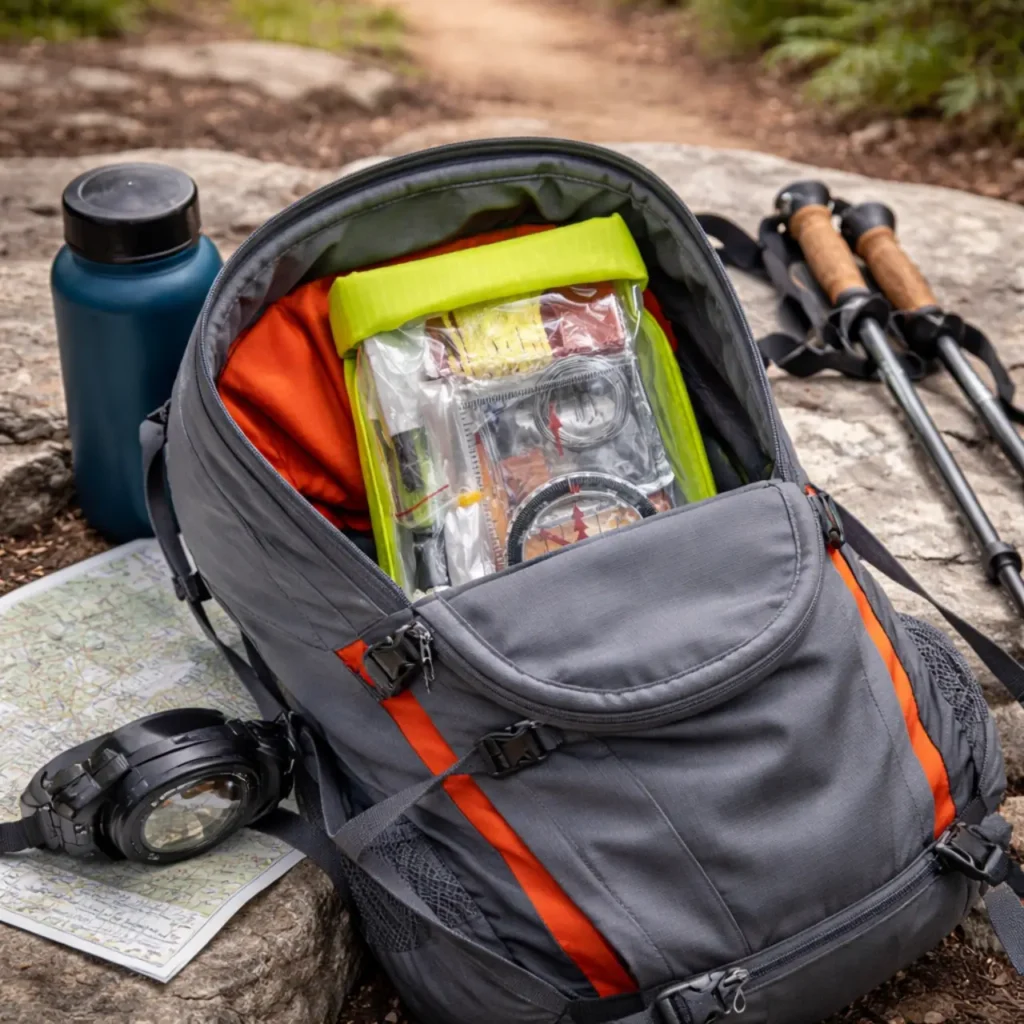
- Weatherproof Pouch (1): Everything is packed into a zip-top pouch designed to keep the contents together and reasonably protected.
- Survival & First Aid Guide (1): A small reference guide is included.
- Why it matters: Beginners may appreciate having a simple reminder sheet in a stressful moment. It is not a replacement for skills or training, but it does add some value for newer hikers and campers.
The pouch helps keep the whole package organized and truly grab-and-go, which is part of why this kit works well as a backup item in a pack, vehicle, or camp bin.
What’s Missing? Key Items to Add to Your Kit
The biggest mistake with a kit like this is assuming “29 pieces” means “complete.” It is not complete. It is compact. Those are two very different things. 😊
The Lifeline kit covers a few important emergency basics, but several key items are still missing if the goal is a more rounded outdoor safety setup.
- First-Aid Supplies: This is the most obvious gap. The Lifeline kit is a survival kit, not a first-aid kit. There are no bandages, blister pads, antiseptic wipes, medications, gauze, or wound-care basics. A separate first-aid kit should still be considered mandatory.
- Water Purification: Fire can be used to boil water, but that is not always efficient or realistic. Carrying purification tablets or a compact filter is a much more practical way to handle water in the field.
- Cutting Tool: There is no knife or multi-tool in the pouch. That matters. Cutting cord, preparing tinder, opening packaging, trimming material for repairs, and handling basic camp tasks all become harder without a blade.
- Light Source: This is a major omission for any emergency setup. A tiny keychain light or lightweight headlamp can make a huge difference once darkness falls.
- Navigation Tools: A whistle can help others find you, but it does not help you stay found. A map, compass, or GPS device still matters, especially on unfamiliar trails or in changing weather.
In other words, this kit works best when it is treated as a compact foundation. Add a few key extras, and it becomes much more practical.
Who is the Lifeline Ultralight Survival Kit For?
This is not a one-size-fits-all piece of gear. It works well for some outdoor users and makes less sense for others.
It’s a Great Fit For:
- The Day Hiker: This is probably the clearest use case. The kit is light enough that there is little reason to leave it behind, and it adds real backup value for short hikes where carrying a full emergency setup might feel excessive.
- The Beginner: For someone still building an outdoor kit, this is a low-cost way to start covering basic emergency preparedness.
- The Car Camper or Van Traveler: It fits easily into a glove box, center console, camp tote, or emergency gear bin. That makes it useful for road trips, trailhead parking, and general vehicle backup.
- The Minimalist Packer: Some hikers want a small emergency layer without much bulk. This kit fits that mindset well, especially if it gets paired with a few carefully chosen upgrades.
You Might Want to Look Elsewhere If:
- You’re a Serious Backpacker or Thru-Hiker: More experienced backcountry users will probably prefer building a custom kit around gear they already trust.
- You Want an All-in-One Solution: This is not that. It leaves out too many essentials to function as a complete emergency and medical package.
- You’re a Hardcore Survivalist: The components are practical but basic. Anyone looking for premium-grade survival tools will likely outgrow this kit quickly.
The strongest case for this product is simple: it is for people who need a lightweight backup, not people trying to replace a full outdoor emergency system.
Pros and Cons at a Glance
| Pros | Cons |
|---|---|
| ✅ Extremely Lightweight: At just 4.5 ounces, it is easy to carry on almost any outing. | ❌ Not a First-Aid Kit: There are no medical supplies inside. |
| ✅ Incredibly Compact: Fits easily in a daypack, glove box, or camp bin. | ❌ Basic Component Quality: The contents are functional, but not premium. |
| ✅ Very Affordable: A low-cost way to add emergency basics to your setup. | ❌ Lacks Key Essentials: No knife, no water treatment, and no light source. |
| ✅ Covers Core Survival Priorities: Warmth, fire, signaling, and repair all get attention. | ❌ Minimalist by Design: Some items feel more like backup extras than robust tools. |
| ✅ Good Starting Point: Easy to upgrade and customize over time. |
How It Compares: Lifeline vs. DIY vs. Premium Kits
The Lifeline kit lands in a very specific spot in the market, and it helps to compare it to the two main alternatives.
- Lifeline Ultralight Kit: Best for convenience, price, and tiny pack size. It is ready to toss into a bag and forget about until needed. That ease is a real advantage.
- DIY (Do-It-Yourself) Kit: A custom kit gives more control over quality, priorities, and use case. It is usually the better long-term solution for experienced hikers, but it takes more time and usually costs more.
- Premium Pre-Made Kits (e.g., SOL): Higher-end kits often use stronger components, better organization, and more complete contents. They can be a better choice for people who want a polished, more comprehensive solution without building their own, but they come at a noticeably higher price point. 🧭
The Lifeline kit wins on accessibility. It is the easiest option for getting emergency basics into a pack without overthinking the purchase.
Practical Tips for Your Survival Kit
Even a simple survival kit works better when it is treated like real gear instead of a sealed novelty item.
- Practice before heading out: Try the striker and tinder at home. Open the pouch. Handle every item. A tiny survival kit feels far more useful once the contents are familiar.
- Keep it somewhere easy to reach: An emergency item buried under layers of random gear is less helpful. A lid pocket, top pouch, glove box, or visible camp bin compartment makes more sense.
- Customize it gradually: A few additions go a long way. Add a mini light, a few water treatment tablets, a small blade, and a couple of basic first-aid items. Those upgrades make the kit feel much more complete without adding much weight.
- Inspect it occasionally: Once or twice a year is enough for most casual users. Check that the pouch is intact, the contents are dry, and nothing has gone missing after previous trips. ✅
The best survival kit is not always the biggest or most expensive one. Often, it is the one that is actually there when needed.
Final Verdict: The Best 4.5 Ounces You Can Carry?
For the right user, the Lifeline Ultralight Survival Kit is a very smart little purchase.
It is not a full wilderness safety system. It is not a substitute for navigation, water treatment, a first-aid kit, or a headlamp. It is also not built around premium components. But that is not really the point of this product.
The point is that it removes the usual excuses. It is small. It is light. It is affordable. And it includes enough useful emergency basics to make it genuinely worthwhile as a backup layer for day hikes, camping trips, road travel, and general outdoor preparedness.
That makes this kit easy to recommend for beginners, casual hikers, car campers, and anyone who wants a compact emergency pouch that can live quietly in a pack until the day it matters. For many people, that practical, no-fuss role is exactly what makes it a good buy. 🌿
Frequently Asked Questions (FAQ)
Does this kit include first-aid supplies like bandages?
No. This is a survival-focused kit, not a medical kit. There are no bandages, antiseptic wipes, blister treatments, or medications included, so a separate first-aid kit is still important.
Is the storage pouch fully waterproof?
The pouch is best thought of as weather-resistant rather than fully waterproof. It should help protect the contents from normal moisture, splashes, and light rain, but it should not be trusted as a fully submersible dry bag.
Is this kit sufficient for a multi-day backpacking trip?
Not on its own. It can absolutely serve as part of a multi-day setup, but it still needs to be paired with more complete essentials like medical supplies, water treatment, navigation, a knife or multi-tool, and a dependable light source.
How often should I check or replace the items in my survival kit?
A simple yearly inspection is a good habit. Open the pouch, confirm everything is present, make sure the contents are dry and intact, and replace anything that has been used, damaged, or lost since the last trip.
Affiliate Disclosure: GearForTheOutdoors.com participates in affiliate programs, including REI, Amazon, REI Outlet, Garage Grown Gear, evo, and other trusted partners. When you purchase through our links, we may earn a small commission at no extra cost to you. That helps support our content and keeps our recommendations useful, practical, and free.
Disclaimer: This post is for informational purposes only. Always verify current product details, fit, availability, safety information, and manufacturer warranties before purchase or use. Outdoor conditions and gear performance can vary depending on setup, weather, terrain, and experience level.