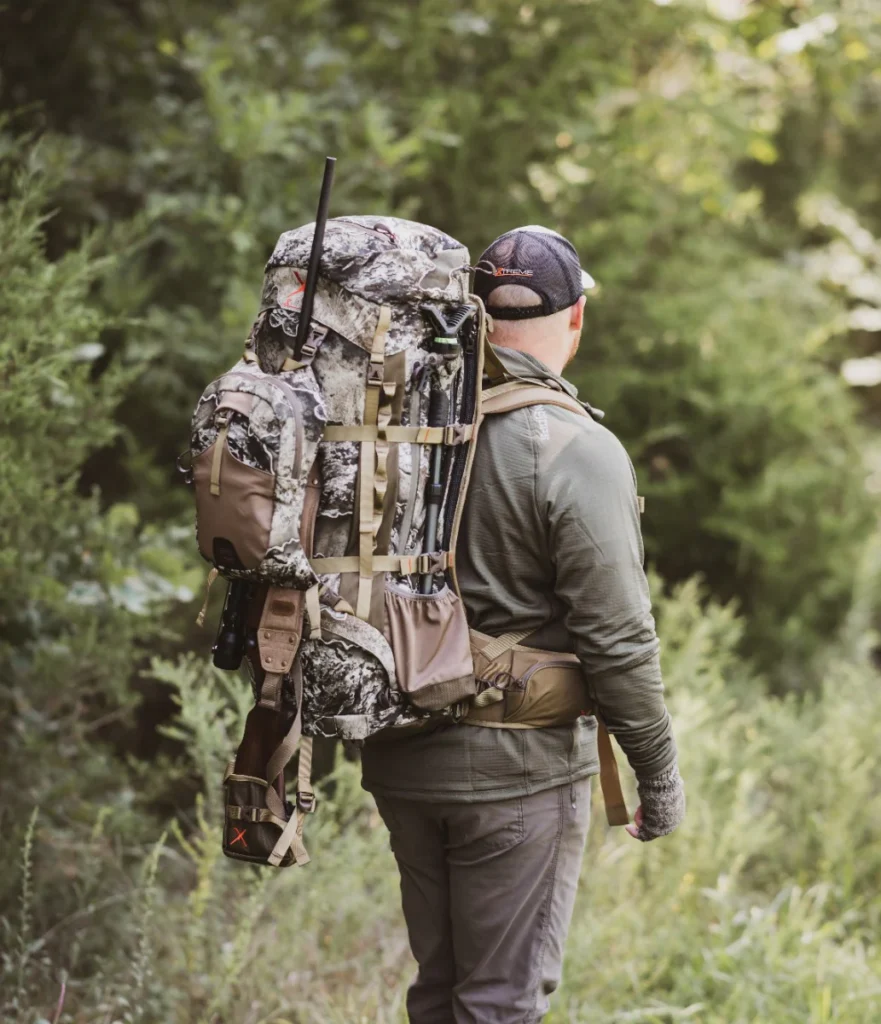
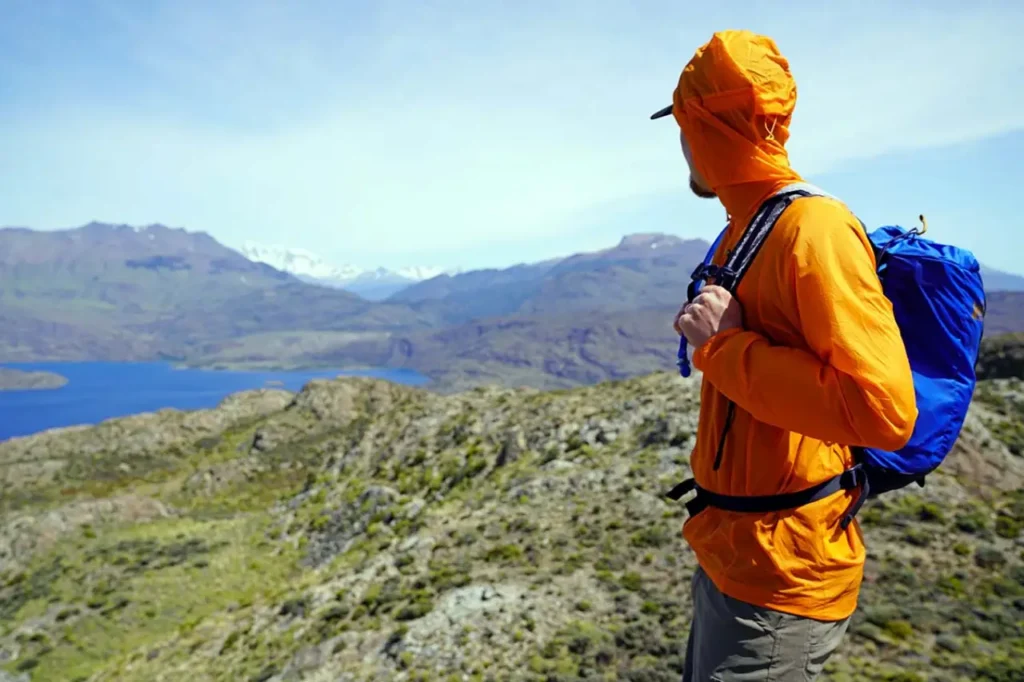
Figuring out what to wear hiking can feel oddly confusing at first.
The trail itself may be simple: a few miles, a nice overlook, maybe a waterfall or a quiet loop through the woods. But standing in front of the closet before that first hike? That’s where the questions start.
Can a regular t-shirt work? Are jeans really that bad? Do hiking boots matter? Is a rain jacket necessary if the forecast looks clear? And why does every outdoor brand seem to use words like base layer, shell, wicking, and softshell as if everyone already knows what they mean?
The good news: beginner hiking clothes do not need to be complicated, expensive, or overly technical. A solid hiking outfit is mostly about comfort, movement, moisture control, and weather protection. 🥾
The right clothes help with three things:
- Staying comfortable while moving
- Staying dry enough when sweating or dealing with light rain
- Staying protected from sun, wind, bugs, brush, and changing temperatures
That’s it.
This guide breaks down what to wear hiking in a practical, beginner-friendly way — from shirts and pants to socks, shoes, layers, jackets, and seasonal outfit examples.
No overthinking. No “survival bro” gear talk. Just a simple trail-tested approach to dressing well for a hike.
The Two Golden Rules of Hiking Apparel
Before choosing shirts, pants, socks, or jackets, there are two rules that make almost every hiking outfit better.
Golden Rule #1: Layering is Everything
Layering is the simplest way to stay comfortable on trail.
A hike rarely feels the same from start to finish. The trailhead might be cool in the morning. The climb might feel warm after ten minutes. A shaded section can feel chilly. A windy overlook can make a sweaty shirt feel cold fast. A sunny forecast can still turn into afternoon drizzle. 🌲
Layering gives you options.
Instead of wearing one heavy piece, you build an outfit with lighter pieces that can be added or removed as conditions change.
The classic hiking layering system has three parts:
- Base Layer: The layer closest to your skin. It helps move sweat away from your body.
- Mid Layer: The warmth layer. It helps keep body heat in when temperatures drop.
- Outer Layer: The weather layer. It protects against wind, rain, and rough conditions.
On a summer hike, your base layer might simply be a lightweight hiking shirt. On a cool fall hike, you may start with a base layer, carry a fleece, and keep a rain jacket in your pack. On a winter hike, all three layers become much more important.
The point is not to wear everything at once. The point is to have enough flexibility to adjust before you get too sweaty, too cold, or too wet.
Golden Rule #2: Avoid Cotton at All Costs
Cotton is comfortable at home. It is not a great trail fabric.
The problem is that cotton absorbs moisture and dries slowly. Once it gets wet from sweat, rain, or damp weather, it tends to stay wet. That can lead to chafing, blisters, clammy skin, and a cold feeling when the wind picks up or the trail moves into shade.
That is why hikers often say “cotton kills.” The phrase sounds dramatic, but the practical message is simple: wet cotton makes it harder for your body to stay warm in cold or windy conditions.
This matters most for:
- T-shirts
- Socks
- Underwear
- Hoodies
- Jeans
- Sweatpants
Better hiking fabrics include:
- Merino wool
- Polyester
- Nylon
- Fleece
- Spandex blends
- Synthetic insulation
- Down insulation in dry, cold conditions
For a beginner day hike, this does not mean buying an entire new wardrobe. It may simply mean choosing a synthetic workout shirt instead of a cotton tee, hiking socks instead of cotton socks, and quick-drying pants instead of jeans.
That small change can make a big difference.
Building Your Hiking Outfit, Layer by Layer
A good hiking outfit works from the inside out.
Each layer has a job. When each piece does its job well, the whole outfit feels more comfortable, more flexible, and easier to manage on trail.
The Base Layer: Your Second Skin
The base layer is the piece closest to your body.
In warm weather, that might be your hiking shirt. In cold weather, it might be a long-sleeve top and long underwear worn under your insulating layers.
The job of a base layer is simple: move sweat away from your skin.
Hiking creates heat. Even on a cool day, a steady climb can make you sweat. If that moisture stays against your skin, you may feel sticky while moving and cold as soon as you stop.
A good base layer helps prevent that clammy feeling. It pulls moisture outward so it can dry faster.
Common base layer materials:
- Merino Wool: Soft, breathable, naturally odor-resistant, and comfortable across a wide range of temperatures. Merino is especially nice for long hikes, travel, and multi-day trips because it does not hold odor as quickly as many synthetic fabrics.
- Synthetic Fabrics: Usually polyester or nylon. These dry quickly, wick moisture well, are usually durable, and are often more affordable than merino wool.
- Blended Fabrics: Some hiking shirts combine merino and synthetics for a balance of comfort, durability, and drying speed.
For most beginner hikes, a lightweight synthetic or merino hiking shirt is enough.
In hot weather, a short-sleeve synthetic tee, lightweight long-sleeve shirt, or sun hoodie can work well. In cool weather, a long-sleeve base layer gives you warmth without feeling bulky.
A base layer should feel comfortable and close enough to manage moisture, but not restrictive. If it pulls across the shoulders, rides up under a pack, or feels too tight when reaching forward, it is not the right fit for hiking.
A simple rule: choose a shirt that dries fast, moves easily, and does not feel heavy when damp.
The Mid Layer: Your Insulation
The mid layer is your warmth layer.
This is the piece that comes out when the air cools down, the wind picks up, or you stop moving at a viewpoint, lunch spot, or campsite. 🍂
The best mid layer depends on the weather and how cold you tend to feel.
Common mid layer options:
- Fleece Jacket: A classic hiking layer. Fleece is breathable, durable, fairly affordable, and comfortable while moving. It still insulates reasonably well if slightly damp and dries faster than many heavier fabrics.
- Down Jacket: Very warm for its weight and highly compressible. Down is excellent for cold, dry conditions and rest breaks, but it loses much of its insulating ability when wet.
- Synthetic Puffy Jacket: Similar idea to down, but better in damp conditions. Synthetic insulation is usually a bit heavier and less compressible than down, but more forgiving when weather is wet.
- Vest: Useful when your core gets cold but your arms overheat. A fleece or insulated vest can be a great shoulder-season layer.
For a beginner, a lightweight fleece is often the most useful first mid layer. It works for cool mornings, fall hikes, shaded trails, and breezy breaks. It can also be worn around camp, during travel, and in everyday life.
A puffy jacket becomes more useful for cold-weather hiking, high-elevation trails, winter outings, and longer breaks where body heat drops quickly.
The fit should allow easy movement over your base layer without feeling tight under a rain jacket. If the mid layer is too bulky, it can make your outer shell uncomfortable.
The Outer Layer: Your Weather Shield
The outer layer protects you from wind and rain.
This is usually a rain jacket, windbreaker, or softshell. It may spend most of the hike in your pack, but when the weather turns, it can become the most important piece you brought. 🌧️
Common outer layer types:
- Waterproof/Breathable Rain Jacket: Best for real rain. A proper rain shell helps keep water out while allowing some moisture vapor to escape.
- Softshell Jacket: More breathable, flexible, and comfortable for active movement, but usually not fully waterproof. Good for cool, windy, mostly dry conditions.
- Windbreaker: Lightweight and packable. Great for breezy ridges, cool mornings, and exposed trails, but not designed for sustained rain.
For beginner day hiking, a lightweight rain jacket is usually the most practical outer layer. It offers more protection than a windbreaker and covers more situations than a softshell.
Look for:
- Adjustable hood
- Zippered pockets
- Room to fit over a fleece
- Cuffs that help seal out wind or rain
- Packable design
- Sealed seams for real rain protection
Even if the forecast looks clear, carrying a light shell is smart when hiking in mountains, forests, coastal areas, shoulder season, or anywhere weather changes quickly.
A rain jacket also helps block wind, which can make a big difference when a sweaty climb ends at an exposed overlook.
Hiking Pants, Shorts, and Leggings
The “no cotton” rule matters just as much for your lower half.
Jeans are one of the most common beginner hiking mistakes. They are heavy, stiff, slow to dry, and uncomfortable when wet. They also restrict movement when stepping over rocks, climbing stairs, sitting on logs, or scrambling over uneven ground.
Better hiking bottoms should do four things:
- Move comfortably
- Dry quickly
- Protect your skin
- Hold up to trail use
Good hiking bottom options include:
- Hiking Pants: The most versatile option for most beginners. They protect against sun, bugs, brush, rock scrapes, and cool weather.
- Hiking Shorts: Great for hot weather and easy trails. They are cooler, but offer less protection.
- Convertible Pants: Pants that zip off into shorts. Useful for changing temperatures, though some hikers do not like the feel of the zippers.
- Hiking Leggings or Tights: Comfortable and flexible. Best when made from durable synthetic fabric rather than thin cotton yoga material.
For hiking pants, look for nylon or polyester with a little stretch. Spandex or elastane helps the pants move with you. Features like articulated knees, a gusseted crotch, and a comfortable waistband can make a real difference on longer hikes.
For shorts, choose quick-drying fabric and a fit that does not ride up or chafe under a hip belt.
For leggings, durability matters. Standard yoga pants can work for gentle trails, but hiking-specific leggings are better for rougher terrain because they are usually more abrasion-resistant and often include better pockets.
Here is a simple way to choose:
| Trail Condition | Better Choice |
|---|---|
| Hot, dry, easy trail | Hiking shorts |
| Sunny, exposed trail | Lightweight hiking pants or UPF leggings |
| Brushy or buggy trail | Hiking pants |
| Rocky trail | Hiking pants or durable leggings |
| Cool morning, warm afternoon | Convertible pants |
| Casual beginner trail | Shorts, pants, or leggings depending on comfort |
You can find a wide range of durable and comfortable hiking pants and shorts at REI that are designed specifically for the trail.
Don’t Forget Your Feet: Socks and Footwear
Foot comfort matters more than almost anything else in a hiking outfit.
A shirt that is not perfect might be annoying. Bad socks or poorly fitting shoes can end the hike early.
Blisters, hot spots, toe pain, slipping heels, and sweaty feet usually come from a combination of moisture, friction, and poor fit. The right socks and shoes reduce those problems before they start. 🥾
Hiking Socks
Hiking socks are worth taking seriously.
Cotton socks trap moisture, soften the skin, and increase friction. That is exactly the combination that leads to blisters.
Instead, choose hiking socks made from merino wool or synthetic blends.
Merino wool socks are popular because they manage moisture, regulate temperature, provide cushioning, and resist odor. Synthetic hiking socks can also work well, especially when quick drying and durability are priorities.
Pay attention to three things: cushioning, height, and fit.
Cushioning levels:
- Ultralight: Best for hot weather, fast hikes, and breathable trail shoes.
- Light Cushion: Good for warm day hikes and shorter trails.
- Medium Cushion: A versatile choice for most beginner hikers.
- Heavy Cushion: Better for cold weather, boots, rugged terrain, or heavier packs.
Sock height:
- No-show: Works with trail runners, but offers little ankle protection.
- Quarter: Good for low hiking shoes.
- Crew: Most versatile for hiking shoes and boots.
- Boot height: Best for taller boots and colder weather.
Fit should be snug but not tight. A hiking sock should not bunch, slide, wrinkle, or create pressure points.
For beginners, a midweight crew sock is usually the safest all-around choice.
Hiking Footwear
There is no single “best” hiking shoe for every beginner.
The right footwear depends on your feet, your trail, the weather, and how much support you prefer.
Main hiking footwear types:
- Trail Running Shoes: Lightweight, flexible, and breathable. Great for maintained trails, dry conditions, and hikers who prefer a nimble feel.
- Hiking Shoes: More supportive and protective than trail runners, but lighter than boots. A strong choice for many beginner day hikers.
- Hiking Boots: More ankle coverage, structure, and protection. Better for rocky terrain, mud, colder weather, and heavier packs.
Many beginner hikers assume boots are required. They are not.
For easy to moderate day hikes, hiking shoes or trail runners are often more comfortable than heavy boots. Boots make more sense when the trail is rough, wet, cold, or loaded with roots, rocks, mud, and uneven footing.
Fit matters more than category.
A good hiking shoe should:
- Hold your heel securely
- Give your toes room to spread
- Avoid toe bang on descents
- Feel stable on uneven ground
- Work with your preferred hiking socks
- Feel comfortable after more than a few minutes in the store
Try hiking shoes near the end of the day if possible, when feet are naturally a little swollen. Wear the socks you plan to hike in. Walk up and down an incline if the store has one.
If your toes hit the front going downhill, the shoe is too short or not secure enough. If your heel lifts with every step, blisters may follow.
Essential Hiking Accessories
Accessories are the small pieces that make the outfit feel complete.
They are easy to overlook, but they often solve real trail problems: sun exposure, cold fingers, glare, wind, bugs, and sudden temperature changes.
- Hat for Sun Protection: A wide-brimmed hat offers better coverage than a baseball cap, especially for ears and neck. A cap still helps, but sunscreen matters on exposed skin.
- Hat for Warmth: A lightweight fleece or wool beanie is small, packable, and useful in cool weather. Windy overlooks can feel much colder than the trailhead.
- Sunglasses: Protect your eyes from UV exposure, glare, dust, wind, and bright conditions.
- Gloves or Mittens: Lightweight liner gloves are useful in spring, fall, and cool mornings. Insulated gloves or mittens are better for winter.
- Neck Gaiter: A simple tube of fabric that can work as a neck warmer, sun shield, headband, face cover, or ear warmer.
- Gaiters: Helpful for snow, mud, gravel, sand, and keeping trail debris out of shoes.
For most beginner hikes, the most useful accessories are simple: a sun hat, sunglasses, and a light neck gaiter. Add gloves and a beanie when temperatures drop.
A small accessory can be the difference between “this is fine” and “this is actually comfortable.”
Putting It All Together: Sample Outfits for Every Season
The easiest way to understand hiking clothes is to see how the pieces work together.
These sample outfits are starting points, not strict rules. Always check the forecast for the exact trail, including temperature, rain chance, wind, elevation, and sun exposure.
Scenario 1: Summer / Hot Weather Hiking (70°F / 21°C and up)
Hot-weather hiking is about staying cool, managing sweat, and protecting your skin from sun and heat.
Wear:
- Lightweight synthetic or merino hiking shirt
- Hiking shorts or lightweight hiking pants
- Lightweight merino or synthetic hiking socks
- Trail runners or breathable hiking shoes
- Sun hat or cap
- Sunglasses
Consider wearing instead:
- A long-sleeve sun hoodie for exposed trails
- Lightweight pants for bugs, brush, or desert sun
- A neck gaiter for sun protection
Carry in your pack:
- Lightweight rain jacket or windbreaker
- Extra water
- Sunscreen
- Electrolytes for longer or hotter hikes
- Small warm layer if hiking at elevation
Even in summer, a windy summit or sudden storm can feel cold if your shirt is soaked with sweat. A lightweight shell takes up little space and gives you a useful safety buffer.
Scenario 2: Spring/Fall / Shoulder Season Hiking (40–60°F / 4–15°C)
Shoulder-season hiking is where beginners often misjudge clothing.
It may feel cold at the trailhead, warm on the climb, chilly in the shade, and windy at the top. Layers are the answer.
Wear:
- Long-sleeve synthetic or merino base layer
- Hiking pants
- Midweight hiking socks
- Hiking shoes or boots
- Light fleece if starting cold
Carry in your pack:
- Rain jacket
- Light gloves
- Beanie or warm headband
- Neck gaiter
- Puffy vest or light insulated jacket if temperatures are closer to 40°F
Start slightly cool if the trail begins uphill. You will warm up quickly once moving. If you start too bundled, you may sweat early and feel cold later.
A common shoulder-season setup is: base layer while hiking, fleece during breaks, rain shell when wind or rain moves in.
Scenario 3: Winter / Cold Weather Hiking (Below 40°F / 4°C)
Winter hiking requires more caution because cold weather punishes moisture mistakes.
The goal is to stay warm without getting soaked in sweat. That means breathable layers, weather protection, and extra insulation for breaks.
Wear:
- Midweight merino or synthetic base layer top
- Base layer bottoms if it is cold enough
- Fleece or insulated mid layer
- Waterproof/windproof shell jacket
- Softshell or shell pants depending on conditions
- Heavyweight wool hiking socks
- Waterproof or insulated hiking boots
- Warm beanie
- Gloves or mittens
- Neck gaiter
Carry in your pack:
- Extra warm layer
- Extra gloves
- Traction devices if ice is possible
- Headlamp
- Emergency layer or bivy for longer winter hikes
- Warm drink or insulated bottle when useful
Winter hiking is not just “summer hiking with a bigger jacket.” Snow, ice, wind, early sunset, and slower movement can change the entire experience.
If the trail may be icy, traction matters. If the forecast includes high wind or wet snow, a shell becomes essential. If you are new to winter hiking, start with short, familiar trails before taking on bigger routes.
Final Verdict: Comfort and Safety First
Learning what to wear hiking is mostly about building a simple system.
You do not need a perfect outfit. You need clothing that helps you move comfortably, manage sweat, stay protected, and adapt when the weather changes.
Start with the pieces that matter most:
- A non-cotton hiking shirt
- Comfortable hiking pants, shorts, or durable leggings
- Merino or synthetic hiking socks
- Footwear that fits well
- A packable rain jacket
- A fleece or warm layer for cool weather
From there, adjust based on the hikes you actually do.
Hot desert trails call for sun protection and breathable fabrics. Forest hikes may need bug protection and quick-drying layers. Mountain hikes require more respect for wind, rain, and temperature swings. Winter hikes need warmth, traction, and extra caution.
The best hiking outfit is the one that disappears into the background — no rubbing socks, no clammy cotton shirt, no stiff jeans, no freezing at the overlook.
Just a comfortable stride, a well-packed layer, and enough confidence to enjoy the trail ahead. 🌄
Frequently Asked Questions (FAQ)
Do I really need special “hiking clothes?”
Not for every beginner hike, but you do need clothes that work well outside.
For easy day hikes, regular athletic clothing can be fine if it is breathable, quick-drying, and comfortable. The main thing to avoid is cotton, especially cotton socks, jeans, and heavy cotton hoodies.
A dedicated rain jacket and proper hiking socks are two of the best first upgrades. They solve common beginner problems: wet weather, cold wind, blisters, and sweat discomfort.
You do not need to buy everything at once. Start with the pieces that directly improve comfort and safety.
Can I wear leggings or yoga pants for hiking?
Yes, leggings can be great for hiking if they are comfortable, stretchy, and durable enough for the trail.
The issue is that many yoga pants are designed for indoor movement, not rocks, brush, dirt, and rough surfaces. Thin cotton-blend leggings can hold moisture, snag easily, and wear out faster.
For gentle trails, regular athletic leggings may work. For rougher hikes, look for hiking-specific leggings or synthetic tights with stronger fabric, useful pockets, and reinforced panels.
If the trail is brushy, rocky, buggy, or cold, hiking pants may be the better choice.
What is the difference between water-resistant and waterproof?
Water-resistant gear can handle light moisture for a short time. It may shed drizzle, mist, or brief contact with wet plants, but it will usually soak through in steady rain.
Waterproof gear is designed to block rain more completely. A true rain jacket usually has a waterproof membrane or coating, sealed seams, and a hood.
For hiking, water-resistant clothing is useful in mild conditions. Waterproof clothing is better when real rain is possible.
A softshell jacket may feel more breathable and comfortable while moving, but a rain shell is the safer choice for wet forecasts.
How should hiking clothes fit?
Hiking clothes should allow easy movement without feeling baggy, tight, or restrictive.
Your base layer should sit close enough to manage sweat. Your mid layer should fit comfortably over that base layer. Your outer layer should fit over both without compressing insulation or limiting arm movement.
Hiking pants should allow a full stride, high step, and squat. If they pull at the knees, hips, or waistband, they may become uncomfortable on trail.
Socks should fit smoothly without bunching. Shoes should hold the heel securely while leaving enough toe room for downhill sections.
Can I wear jeans hiking?
Jeans are not a good choice for most hikes.
They restrict movement, dry slowly, feel heavy when wet, and can cause chafing. In cool or wet weather, wet jeans can make you cold quickly.
For a short, dry, flat walk, jeans may be tolerable. For an actual hike, quick-drying hiking pants, shorts, or synthetic leggings are much better.
What should a beginner avoid wearing hiking?
Avoid:
- Cotton socks
- Cotton t-shirts in cool or wet conditions
- Jeans
- Heavy cotton hoodies
- Stiff pants that limit movement
- Shoes with poor traction
- Brand-new shoes that have never been tested
- Overly warm outfits that cause early sweating
The goal is to stay comfortable while moving and protected when conditions change.
Are hiking boots required for beginners?
No. Hiking boots are not required for every beginner hike.
Trail runners or hiking shoes often work well for easy and moderate day hikes, especially on maintained trails. They are lighter, more breathable, and often more comfortable than heavy boots.
Boots are more useful for rough terrain, mud, cold weather, ankle protection, or carrying heavier loads.
The best choice is the footwear that fits well and matches the trail.
What should be in a beginner hiking outfit for most day hikes?
A simple beginner hiking outfit can include:
- Quick-drying hiking shirt
- Hiking pants, shorts, or durable leggings
- Merino or synthetic hiking socks
- Trail runners, hiking shoes, or hiking boots
- Sun hat or cap
- Sunglasses
- Lightweight rain jacket in the pack
- Fleece or warm layer if the weather is cool
That setup works for many beginner-friendly day hikes when paired with water, snacks, navigation, and basic hiking essentials.
Affiliate Disclosure: GearForTheOutdoors.com participates in affiliate programs, including REI, Amazon, REI Outlet, Garage Grown Gear, evo, and other trusted partners. When you purchase through our links, we may earn a small commission at no extra cost to you. That helps support our content and keeps our recommendations useful, practical, and free.
Disclaimer: This post is for informational purposes only. Always verify current product details, fit, availability, safety information, and manufacturer warranties before purchase or use. Outdoor conditions and gear performance can vary depending on setup, weather, terrain, and experience level.