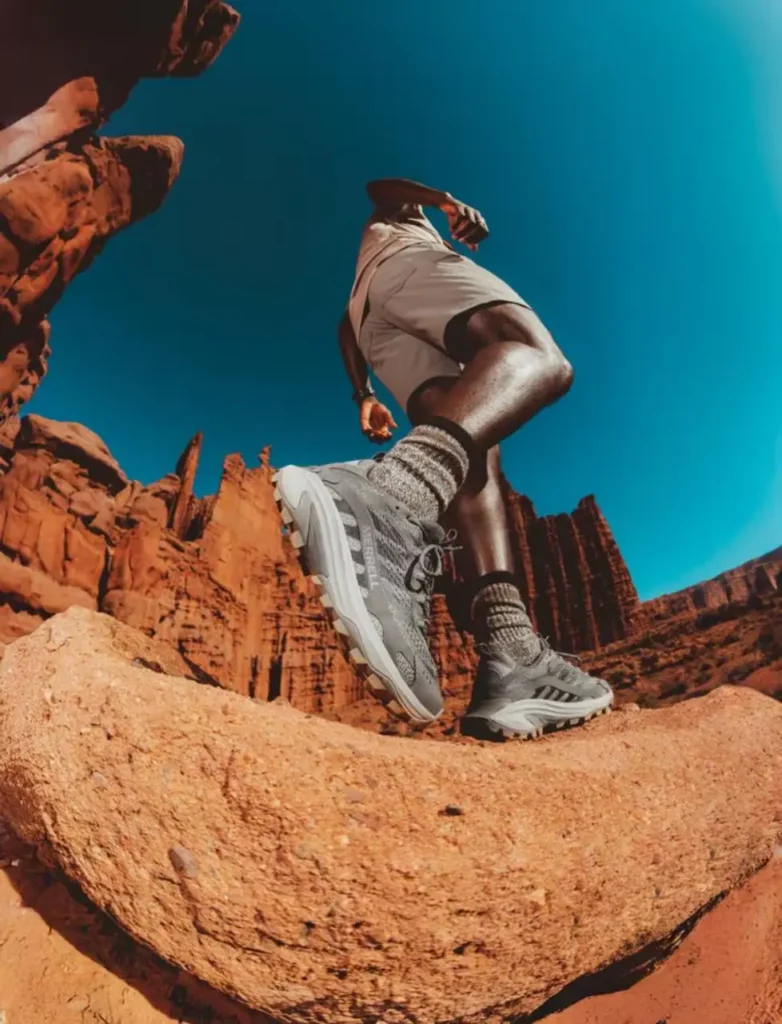
Choosing the first real pair of hiking shoes should make getting outside feel easier.
But it usually starts with a wall of options.
Some shoes look like trail-ready sneakers. Some feel closer to low-cut boots. Some are waterproof. Some are breathable. Some have huge cushioning. Some have wide toe boxes. And somehow, every box seems to promise comfort, grip, support, and “all-day performance.”
For a beginner, that can be too much.
Here is the simpler way to think about it: the best hiking shoes for beginners are the ones that fit well, feel comfortable after a few miles, grip confidently on dirt and rock, and match the kind of trails most new hikers actually walk. 🥾
That usually means local parks, packed dirt paths, gravel trails, forest loops, national park viewpoints, moderate climbs, damp trailheads, and weekend day hikes — not necessarily heavy backpacking trips or technical alpine routes.
This guide focuses on beginner-friendly hiking shoes and trail shoes that feel current, practical, and useful for 2026. The goal is not to find the most extreme shoe. The goal is to help you find the right first pair for the way you will actually hike.
Quick Picks for Beginner Hiking Shoes
| Shoe Model | Price Tier | Best For… |
|---|---|---|
| Merrell Moab Speed 2 | $$ | Best Modern All-Around Beginner Hiking Shoe |
| Merrell Moab 3 | $$ | Best Classic, Supportive Beginner Hiking Shoe |
| Salomon X Ultra 5 Low / GTX | $$–$$$ | Lightweight Stability & Mixed Terrain |
| HOKA Speedgoat 7 | $$$ | Maximum Cushioning & Long Trail Comfort |
| KEEN Targhee IV Waterproof Low | $$–$$$ | Wide Feet & Durable Protection |
| Altra Lone Peak 9 / 9+ | $$–$$$ | Wide Toe Box & Natural Foot Feel |
| La Sportiva Ultra Raptor 3 GTX | $$$ | Wet, Rocky Trails & Premium Grip |
In-Depth Hiking Shoe Reviews
A good beginner hiking shoe should disappear a little once the hike starts.
You should not be thinking about rubbing heels, cramped toes, slippery soles, or whether your shoes can handle the next rocky section. You should be looking at the trail, noticing the shade, hearing gravel underfoot, and feeling comfortable enough to keep going. 🌲
Each shoe below has a clear reason to be here. Some are better for comfort. Some are better for wet trails. Some are better for wide feet. Some are better for hikers who want a lighter, more athletic feel.
There is no single perfect shoe for every beginner — but there is probably a very good match for your feet, your trails, and your climate.
Merrell Moab Speed 2: The Best Modern All-Around Beginner Hiking Shoe
The Merrell Moab Speed 2 is one of the easiest shoes to recommend to beginners who want something comfortable, current, and not overly bulky.
It feels more like a trail-ready sneaker than a traditional hiking shoe. That makes it especially approachable for new hikers who are used to running shoes or everyday athletic shoes but want better grip, more structure, and more confidence on dirt, gravel, and moderate trails.
The Moab Speed 2 is designed with more foam underfoot, improved breathability, traction, and stability compared with earlier versions of the line, and both men’s and women’s versions are currently listed at REI.
On the trail, that translates into a shoe that feels friendly right away. It is cushioned enough for long walks, grippy enough for casual dirt trails, and supportive enough for most beginner day hikes. It also works well for travel, national park trips, campground walks, and those weekends where the plan includes both a trail and a stop for food on the way home.
This is not the shoe for beating up on sharp rock every weekend or carrying a heavy overnight pack. It is lighter and more flexible than a burly leather hiker, so it gives up some protection. But for the average beginner who wants a comfortable first hiking shoe that does not feel stiff or overbuilt, the Moab Speed 2 is a very strong starting point.
- Waterproofing: Available in non-waterproof and waterproof/GORE-TEX versions, depending on retailer availability
- Upper: Synthetic and mesh materials; leather waterproof versions may also be available
- Best Use: Day hiking, light hiking, travel, casual trail use
- Style: Lightweight hiking shoe with a sneaker-like feel
Pros:
- Comfortable, modern feel for beginners used to sneakers
- Lighter and more flexible than many traditional hiking shoes
- Good balance of cushioning, grip, and stability
- Works well for local trails, travel, and national park day hikes
- Available in men’s and women’s versions
Cons:
- Less protective than heavier leather hiking shoes
- Not the best choice for very rugged terrain
- Some versions may vary by season, color, and retailer availability
Best for: Beginners who want one comfortable, easy-wearing hiking shoe for casual trails, local hikes, national parks, and weekend adventures.
Who should skip it: Hikers who want a more rugged, protective shoe for rocky terrain may prefer the Merrell Moab 3, KEEN Targhee IV, or La Sportiva Ultra Raptor 3 GTX.
Check Price at REI | Check Price at Amazon
Merrell Moab 3: The Best Classic, Supportive Beginner Hiking Shoe
The Merrell Moab 3 is the practical, dependable choice.
It is not the sleekest shoe in this guide. It is not the lightest. It does not feel as quick as a trail runner. But for a beginner who wants comfort, support, traction, and a traditional hiking-shoe feel, it is still one of the most trustworthy options.
The Moab 3 is currently listed at REI as a top-rated hiking shoe known for comfort, durability, versatility, and a grippier, more supportive feel.
The biggest advantage is how easy it is to understand. Put it on, and it feels like a hiking shoe. It has more structure than a trail runner, more protection around the foot, and enough support for rocky dirt paths, forest trails, dry national park hikes, and everyday outdoor use.
It also works well for people who do not want an overly narrow or overly technical shoe. The fit is more forgiving than many performance-oriented models, and the shoe comes in waterproof and non-waterproof versions. That makes it easier to match the shoe to the local climate.
For hot, dry summer hiking, the non-waterproof version is usually more comfortable. For muddy trails, wet grass, and cooler conditions, the waterproof version may make more sense.
- Waterproofing: Available in non-waterproof, waterproof, and GORE-TEX versions
- Upper: Pigskin leather and mesh
- Outsole: Vibram TC5+
- Best Use: Day hiking, general hiking, casual outdoor use
Pros:
- Very beginner-friendly fit and feel
- More protective than lighter trail shoes
- Good support for uneven ground
- Strong value for a first hiking shoe
- Easy to find in multiple versions and widths
Cons:
- Heavier than modern trail-running-style shoes
- Less flexible and athletic than the Moab Speed 2
- Waterproof versions can feel warm in hot weather
Best for: Beginners who want a classic, supportive, no-fuss hiking shoe for regular day hikes and general outdoor use.
Who should skip it: Hikers who want something lighter, softer, and more sneaker-like may prefer the Merrell Moab Speed 2 or HOKA Speedgoat 7.
Check Price at REI | Check Price at Amazon
Salomon X Ultra 5 Low / GTX: The Best Lightweight Stability Pick
The Salomon X Ultra 5 is for beginners who want a hiking shoe that feels light, secure, and confident on uneven ground.
It has a more athletic personality than the Merrell Moab 3. The fit feels more locked-in, the ride feels more precise, and the outsole is built for traction on climbs and descents. If your local trails include loose dirt, rock steps, rolling hills, damp roots, or steep downhill sections, that extra stability can make a hike feel much more controlled.
REI lists the X Ultra 5 Low and X Ultra 5 GORE-TEX Low as lightweight, stable hiking shoes with confident traction for both climbs and descents.
This is a good shoe for hikers who want support without the bulk of a boot. The low-cut shape keeps it lighter and easier to move in, while the platform gives more confidence than a basic sneaker. The GORE-TEX version is especially useful in wet climates, cool shoulder-season weather, muddy trailheads, and damp forest trails.
The main caution is fit. Salomon shoes often feel narrower and more precise than Merrell, KEEN, or Altra. That can be great for control, but it may not work for wide feet or hikers who like a roomy forefoot.
- Waterproofing: Available in non-waterproof and GORE-TEX versions
- Upper: Synthetic/textile
- Outsole: Contagrip
- Best Use: Hiking, varied terrain, wet trails, descents
Pros:
- Lightweight but stable
- Strong grip on mixed terrain
- Confident feel on climbs and descents
- More athletic than classic hiking shoes
- Available with or without GORE-TEX
Cons:
- Fit may feel narrow for some hikers
- Firmer feel than plush trail shoes
- GORE-TEX version can feel warm in summer
Best for: Beginners who want a stable, agile hiking shoe for mixed terrain, wet trails, and more confident downhill hiking.
Who should skip it: Hikers with wide feet or those who want a softer, roomier feel may prefer the KEEN Targhee IV, Altra Lone Peak 9/9+, or HOKA Speedgoat 7.
Check Price at REI | Check Price at Amazon
HOKA Speedgoat 7: The Best Maximum Cushioning Option
The HOKA Speedgoat 7 is technically a trail running shoe, but many hikers love this kind of shoe for one simple reason: comfort.
If your biggest concern is sore feet, tired legs, or feeling beat up after a few miles, the Speedgoat 7 is worth a close look. It has a soft, cushioned feel underfoot that can make hard-packed dirt, small rocks, and long descents feel less punishing.
REI lists the Speedgoat 7 with supercritical foam midsoles and Vibram Megagrip outsoles designed to provide responsive cushioning and confident grip on varied trails.
For beginner hikers, that cushioning can be a big deal. Feet and legs often need time to adapt to uneven surfaces. A softer trail shoe can make those early hikes feel less harsh, especially on longer park loops, rolling terrain, and moderate day hikes.
The Speedgoat 7 also feels light and breathable compared with most traditional hiking shoes. It is a strong choice for warm weather, long walking days, and hikers who do not like stiff footwear.
The trade-off is protection. The upper is not as tough as a leather hiking shoe, and the tall cushioning can feel less planted for some hikers on rocky terrain. It is comfortable, but not as protective as the Merrell Moab 3, KEEN Targhee IV, or La Sportiva Ultra Raptor 3 GTX.
- Waterproofing: Standard version is not waterproof
- Upper: Woven/textile trail-running upper
- Outsole: Vibram Megagrip
- Best Use: Trail running, fast hiking, cushioned day hiking
Pros:
- Excellent cushioning for long trail comfort
- Lightweight and breathable
- Strong grip for a trail-running shoe
- Good for hikers who dislike stiff footwear
- Comfortable for moderate trails and long walking days
Cons:
- Less protective than traditional hiking shoes
- High cushioning may feel less stable to some hikers
- Not ideal for heavy packs or very rough terrain
- Usually more expensive than basic beginner hiking shoes
Best for: Beginners who want maximum cushioning, lighter weight, and a softer ride for moderate trails.
Who should skip it: Hikers who want more structure, more toe protection, or more durability should consider the Merrell Moab 3, KEEN Targhee IV, or La Sportiva Ultra Raptor 3 GTX.
Check Price at REI | Check Price at Amazon
KEEN Targhee IV Waterproof Low: The Best Pick for Wide Feet and Durability
The KEEN Targhee IV Waterproof Low is a strong choice for hikers who want more room, more protection, and a sturdier feel underfoot.
KEEN is known for a roomier toe box, and that is the main reason many hikers start here. If narrow hiking shoes pinch, squeeze the forefoot, or make toes feel cramped on descents, the Targhee IV deserves attention.
REI lists the Targhee IV Waterproof with nubuck leather uppers, wide toe boxes, out-of-the-box comfort, and durable TPU outsoles for grip.
On trail, this shoe feels more protective than the lighter, sneaker-like options in this guide. It has a sturdy waterproof build, a protective toe area, and enough structure for rougher day hikes. It works well on muddy paths, rocky dirt, damp grass, rooty forest trails, and uneven ground.
The Targhee IV is not the airiest shoe for summer hiking. Waterproof leather shoes naturally run warmer than breathable mesh shoes. It is also heavier and less flexible than the HOKA Speedgoat 7 or Altra Lone Peak 9.
But for beginners who want a shoe that feels protective rather than minimal, the Targhee IV is easy to appreciate. It gives the toes space, handles wet conditions well, and feels built for repeated use. 🏞️
- Waterproofing: KEEN waterproof membrane
- Upper: Nubuck leather and mesh
- Outsole: KEEN all-terrain / TPU outsole depending on version
- Best Use: Hiking, wet trails, wide feet, durable day hiking
Pros:
- Roomy toe box works well for many wide-footed hikers
- Durable, protective construction
- Waterproof design helps in wet conditions
- Protective toe area is useful on rocky paths
- Stable feel on uneven ground
Cons:
- Heavier than trail-running-style shoes
- Warmer in summer
- May feel stiff compared with softer models
- Less nimble than Salomon or HOKA options
Best for: Beginners with wide feet, hikers who want more protection, and anyone who prefers a sturdier waterproof shoe.
Who should skip it: Hikers who want light, breathable, flexible footwear may prefer the Merrell Moab Speed 2, HOKA Speedgoat 7, or Altra Lone Peak 9/9+.
Check Price at REI | Check Price at Amazon
Altra Lone Peak 9 / 9+: The Best Wide Toe Box and Natural Feel
The Altra Lone Peak 9 and Lone Peak 9+ are excellent options for hikers who want toe room, flexibility, and a more natural feel.
These are trail running shoes, not traditional hiking shoes. But they are widely used by hikers because they are lightweight, comfortable, and roomy through the forefoot.
REI describes the Lone Peak 9 as a lightweight, durable trail shoe trusted by runners and hikers, with updated outsoles and midsoles. The Lone Peak 9+ adds more traction-focused performance, and the 9+ GTX version includes GORE-TEX waterproof uppers and Vibram Megagrip soles.
The biggest reason to choose the Lone Peak is foot shape. Altra’s fit gives toes more space to spread naturally instead of squeezing them into a narrow front. That can make a huge difference on warm days, longer hikes, and downhill sections when feet shift forward.
The second major difference is the zero-drop platform. That means the heel and forefoot sit at the same height. Some hikers love the balanced, natural feel. Others need time to adapt, especially if they are used to shoes with a raised heel.
For beginners, that means the Lone Peak should be eased into gradually. Start with short walks and easy hikes before using it on a big trail day.
The standard Lone Peak 9 is a good choice for dry, moderate hiking. The Lone Peak 9+ is the better pick for hikers who want a little more grip and durability. The Lone Peak 9+ GTX makes sense for wet conditions, but it will feel warmer and less breathable than the non-waterproof versions.
- Waterproofing: Standard Lone Peak 9/9+ are not waterproof; 9+ GTX is waterproof
- Upper: Mesh/synthetic trail-running upper
- Outsole: MaxTrac on Lone Peak 9; Vibram Megagrip on 9+ / 9+ GTX versions
- Best Use: Hiking, trail running, wide toe box comfort
Pros:
- Very roomy toe box
- Lightweight and flexible
- Natural zero-drop feel
- Comfortable for hikers who dislike narrow shoes
- 9+ and 9+ GTX versions offer more traction-focused options
Cons:
- Zero-drop design requires gradual adjustment
- Less protective than traditional hiking shoes
- Not ideal for heavy packs or very rocky terrain
- Mesh uppers may wear faster under rough use
Best for: Beginners who want toe room, flexibility, and a more natural foot position.
Who should skip it: Hikers who want traditional support, more protection, or a raised heel should consider the Merrell Moab 3, Salomon X Ultra 5, or KEEN Targhee IV.
Check Price at REI | Check Price at Amazon
La Sportiva Ultra Raptor 3 GTX: The Best Premium Pick for Wet, Rocky Trails
The La Sportiva Ultra Raptor 3 GTX is the most trail-focused shoe in this guide.
It is not the first shoe every beginner needs. For smooth park paths, easy local trails, and casual weekend hikes, it may be more technical than necessary.
But for beginners who already know their trails will be rocky, wet, rooty, steep, or mountain-focused, this shoe makes sense. REI currently lists the Ultra Raptor 3 GTX in La Sportiva’s Ultra Raptor collection, including low hiking shoe and mid boot options.
The Ultra Raptor 3 GTX feels more protective and grippy than a soft trail runner. It is built for confidence when the trail gets rougher — wet rock, slick roots, uneven climbs, muddy turns, and technical day hikes where traction matters more than casual comfort.
The waterproof GORE-TEX build is useful in cool, wet conditions. The more structured feel also gives extra confidence on uneven ground.
The trade-off is that it can feel more performance-oriented than relaxed. La Sportiva shoes often fit more precisely than brands like Merrell, KEEN, or Altra, so wide-footed hikers should be cautious.
- Waterproofing: GORE-TEX
- Upper: Technical synthetic/textile hiking upper
- Outsole: La Sportiva trail outsole, depending on version
- Best Use: Wet terrain, rocky trails, technical day hikes
Pros:
- Strong traction for rough and wet trails
- Protective feel
- Good for rocky, rooty, mountain terrain
- Waterproof GORE-TEX protection
- More capable than casual beginner shoes
Cons:
- More expensive than most beginner hiking shoes
- Too technical for easy local trails
- Fit may feel narrow or performance-oriented
- Less relaxed than Merrell, KEEN, or Altra options
Best for: Beginners who plan to hike often on wet, rocky, or more technical terrain and want a premium grip-focused shoe.
Who should skip it: Casual hikers should start with the Merrell Moab Speed 2, Merrell Moab 3, or KEEN Targhee IV before jumping into a more technical shoe.
Check Price at REI | Check Price at Amazon
How to Choose Your First Pair of Hiking Shoes
The best hiking shoe is not the one with the longest feature list.
It is the one that fits your foot, matches your local trails, and still feels good when the first mile turns into the fourth.
For beginners, comfort and confidence matter most. A shoe should help you enjoy the trail, not distract you from it. 🧦
Hiking Shoes vs. Hiking Boots vs. Trail Runners
This is the first big decision.
Hiking shoes are low-cut, trail-ready shoes. They usually offer more grip, support, and protection than everyday sneakers, but they are lighter and easier to wear than hiking boots.
For most beginner day hikers, hiking shoes are the best starting point.
They work well for maintained trails, national park hikes, forest paths, gravel, packed dirt, rocky overlooks, and weekend day hikes.
Hiking boots rise above the ankle. They offer more coverage, more structure, and often better protection in mud, snow, rough terrain, or when carrying a heavy backpack.
Boots can be useful, but many beginners buy them because they assume boots are always safer. For casual day hiking, boots can feel heavier, warmer, and stiffer than necessary.
Trail running shoes are built for running on dirt and mountain paths. They are usually lighter, more breathable, and more flexible than hiking shoes. Many hikers use them because they feel comfortable and fast.
The trade-off is protection and durability. Trail runners often have softer uppers, less structure, and less resistance to abrasion than traditional hiking shoes.
Best beginner starting point: A low-cut hiking shoe is usually the most practical first choice. Trail runners can also be excellent if comfort and light weight matter more than protection.
Waterproof or Not? The GORE-TEX Question
Waterproof hiking shoes sound like the safest choice.
Sometimes they are. Sometimes they are not.
Waterproof shoes are useful for rain, mud, wet grass, cool weather, and shallow puddles. If most hikes happen in the Pacific Northwest, Northeast, Appalachians, wet spring conditions, or muddy shoulder-season trails, waterproof shoes can be a smart choice.
They help keep outside moisture from soaking socks, which can improve comfort in cold or damp conditions.
The downside is breathability. Waterproof shoes usually run warmer and can trap more sweat. In hot, dry weather, that can make feet feel damp from the inside.
And once water gets inside from the top — during a deeper puddle, creek crossing, or heavy rain — waterproof shoes often take longer to dry.
Non-waterproof shoes breathe better, feel cooler in summer, and dry faster after getting wet. They are often better for desert trails, dry mountain paths, warm-weather hiking, and casual summer use.
Simple rule: Choose waterproof shoes for cool, wet, muddy conditions. Choose breathable non-waterproof shoes for hot, dry, warm-weather hiking.
Key Features Explained
Hiking shoe descriptions can get technical fast. These are the features that actually matter for beginners.
Uppers are the top part of the shoe. Leather and suede uppers tend to be more durable and protective. Mesh and synthetic uppers tend to be lighter, more breathable, and easier to break in.
Midsoles sit between the foot and the outsole. This is where cushioning and underfoot support come from. Softer midsoles feel more comfortable on mellow trails. Firmer midsoles can feel more stable and protective on rocky terrain.
Outsoles are the rubber bottoms of the shoes. This is where grip comes from. Look for trail-specific rubber with visible lugs — the raised shapes that bite into dirt, mud, gravel, and rock.
Lugs matter more than they sound. Shallow lugs feel smoother on easy paths but may slip in mud or loose dirt. Deeper lugs grip better on rougher trails but may feel less smooth on pavement.
Toe protection is helpful even on beginner trails. A rubber toe cap can protect toes from rocks, roots, and stumbles.
Heel hold is one of the biggest comfort details. If the heel lifts and slides with every step, blisters can show up quickly.
Breathability matters in warm weather. A shoe that keeps rain out but traps sweat can still leave socks damp.
The Most Important Factor: Getting the Right Fit
Fit matters more than brand, model year, or price.
A hiking shoe can be popular, current, and well-reviewed — but if it does not fit your foot, it is the wrong shoe.
A good hiking shoe should feel secure in the heel, comfortable through the midfoot, and roomy enough in the toes. It should not pinch, squeeze, rub, or create pressure points.
Use these fit checks before buying.
Shop later in the day. Feet often swell after walking or standing. Since feet can also swell during hikes, trying shoes later in the day gives a more realistic fit.
Wear hiking socks. Do not test hiking shoes with thin cotton socks if those are not the socks planned for the trail. Wool or synthetic hiking socks can change the fit noticeably.
Leave room in front of the toes. A thumb’s width of space in front of the longest toe is a helpful starting point. This matters most on descents, when feet slide slightly forward.
Check the heel. The heel should feel secure with minimal lift. Constant slipping usually leads to blisters.
Walk downhill if possible. Many outdoor stores have ramps or uneven surfaces. Use them. Toes should not slam into the front of the shoe.
Pay attention to pressure points. If a shoe feels tight, sharp, or uncomfortable in the store, it probably will not become perfect on the trail.
Try different brands. Merrell, Salomon, HOKA, KEEN, Altra, and La Sportiva all fit differently. The best shoe is usually the one shaped most like the foot wearing it.
Quick Match: Which Beginner Hiking Shoe Should You Choose?
| If You Want… | Start With… | Why It Works |
|---|---|---|
| A modern all-around beginner shoe | Merrell Moab Speed 2 | Comfortable, current, lighter, and easy to wear |
| A classic supportive hiking shoe | Merrell Moab 3 | Proven, protective, and beginner-friendly |
| Lightweight waterproof stability | Salomon X Ultra 5 Low GTX | Stable, grippy, and confident on mixed trails |
| Maximum cushioning | HOKA Speedgoat 7 | Soft, current, and comfortable for long trail days |
| Wide feet and durability | KEEN Targhee IV Waterproof Low | Roomy, protective, and stable on uneven ground |
| Wide toe box and natural feel | Altra Lone Peak 9 / 9+ | Roomy, flexible, lightweight, and trail-ready |
| Premium wet-rock grip | La Sportiva Ultra Raptor 3 GTX | Protective, grippy, and built for rougher trails |
Final Verdict
The best hiking shoes for beginners should make the trail feel more inviting, not more complicated.
For most new hikers, the Merrell Moab Speed 2 is the best modern all-around pick. It feels comfortable, lighter than a traditional hiking shoe, and trail-ready enough for local hikes, national park walks, and weekend adventures.
The Merrell Moab 3 is still a smart choice for hikers who want a more classic, supportive hiking shoe with a proven feel.
For hikers who want more stability on mixed terrain, the Salomon X Ultra 5 Low or X Ultra 5 GTX is the strongest option here. It feels light, secure, and confident on climbs and descents.
For comfort-first hikers, the HOKA Speedgoat 7 is the cushioned pick. It is soft, grippy, and easy to love on moderate trails and long walking days.
For wide feet and durable waterproof protection, the KEEN Targhee IV Waterproof Low is one of the most beginner-friendly choices. For a natural, roomy, lightweight feel, the Altra Lone Peak 9 or 9+ is a better match.
And for hikers who expect wet, rocky, more technical trails, the La Sportiva Ultra Raptor 3 GTX offers more grip and protection than most casual beginner shoes.
The smartest advice is still simple: choose the shoe that fits best, matches your local trail conditions, and feels comfortable after walking around for more than a few minutes.
A good first hiking shoe should help you stop thinking about your feet — and start enjoying the trail. 🥾
Frequently Asked Questions
Do beginners really need hiking shoes, or can regular sneakers work?
For very short, flat, dry paths, regular sneakers can be fine. A paved nature trail, campground loop, or smooth city park path usually does not require specialized footwear.
But once the trail has loose dirt, rocks, roots, mud, steep sections, or uneven ground, hiking shoes make a noticeable difference. They provide better traction, more underfoot protection, and more stability than most everyday sneakers.
Hiking shoes also tend to hold up better to dirt, abrasion, and repeated outdoor use.
Should beginners buy hiking shoes or hiking boots?
Most beginners should start with hiking shoes unless there is a clear reason to choose boots.
Low-cut hiking shoes are lighter, easier to break in, more comfortable for casual day hikes, and less tiring over several miles. They are usually enough for maintained trails, national park hikes, local forest paths, and weekend adventures.
Hiking boots make more sense for rough terrain, cold weather, heavy backpacks, ankle protection, or muddy routes where extra coverage helps.
Are trail running shoes good for hiking?
Yes, trail running shoes can be excellent for hiking, especially for people who like lightweight, flexible footwear.
Shoes like the HOKA Speedgoat 7 and Altra Lone Peak 9 / 9+ are popular with hikers because they feel comfortable, breathable, and less restrictive than traditional hiking shoes.
The trade-off is protection and durability. Trail runners usually have softer uppers, less structure, and less resistance to abrasion than hiking shoes.
Are waterproof hiking shoes worth it?
Waterproof hiking shoes are worth it when trails are often wet, cold, muddy, or rainy.
They are especially useful in damp climates, spring conditions, shoulder-season hiking, wet grass, and muddy trail systems.
But waterproof shoes are not always the best choice. In hot, dry weather, they can feel warmer and less breathable. Feet may sweat more, which can also lead to damp socks and blisters.
For summer hiking in dry climates, non-waterproof shoes are often more comfortable. For wet and cool conditions, waterproof shoes are usually the better call.
How much should beginners spend on hiking shoes?
Most beginners can find a good pair of hiking shoes in the mid-range price tier.
Spending more can bring better materials, lighter weight, stronger waterproofing, or more technical traction. But a beginner does not need the most expensive shoe to enjoy hiking.
The best value is usually a shoe that fits well, matches the terrain, and is durable enough for regular use.
How long does it take to break in hiking shoes?
Modern hiking shoes usually need much less break-in time than old-school leather boots.
Many low-cut hiking shoes feel comfortable right away, especially models with synthetic uppers or sneaker-like construction. Still, it is smart to test them before a longer hike.
Wear new hiking shoes around the house, on errands, or during short neighborhood walks. Then try them on an easy local trail before using them for a bigger day hike.
How should hiking shoes fit?
Hiking shoes should feel secure but not tight.
The heel should stay mostly locked in place. The midfoot should feel gently held, not squeezed. The toes should have enough room to spread and enough space in front to avoid hitting the end of the shoe on descents.
A thumb’s width of space in front of the longest toe is a useful guideline. If the toes touch the front while walking downhill, the shoe is too short or not shaped well for that foot.
What socks should beginners wear with hiking shoes?
The best hiking socks are usually wool or synthetic socks, not cotton.
Merino wool socks are popular because they manage moisture well, feel comfortable across a wide range of temperatures, and help reduce odor. Synthetic hiking socks can also work well, especially for warm weather and quick drying.
Cotton socks are not ideal because they hold moisture. Wet cotton can increase friction, soften the skin, and make blisters more likely.
How do I prevent blisters in hiking shoes?
Blister prevention starts with fit.
Shoes that are too tight, too loose, too narrow, or too short can all create friction. Heel slipping, toe jamming, and rubbing across the forefoot are common blister triggers.
Good hiking socks help too. Wool or synthetic socks manage moisture better than cotton. Some hikers also use thin liner socks, blister balm, or tape on known hot spots.
The most important habit is to stop early. If a hot spot starts forming, do not ignore it. Take a short break, adjust socks, retie laces, or cover the area before it turns into a blister.
How do I know when to replace hiking shoes?
Replace hiking shoes when the traction, support, or structure is no longer doing its job.
The easiest sign is worn-down lugs. If the outsole looks smooth or shallow, grip will suffer, especially on loose dirt, mud, or wet rock.
Other signs include torn uppers, separating soles, collapsed cushioning, uneven wear, or a midsole that feels flat and tired. If feet start feeling more sore than usual on familiar hikes, the cushioning may be breaking down.
Affiliate Disclosure: GearForTheOutdoors.com participates in affiliate programs, including REI, Amazon, REI Outlet, Garage Grown Gear, evo, and other trusted partners. When you purchase through our links, we may earn a small commission at no extra cost to you. That helps support our content and keeps our recommendations useful, practical, and free.
Disclaimer: This post is for informational purposes only. Always verify current product details, fit, availability, safety information, and manufacturer warranties before purchase or use. Outdoor conditions and gear performance can vary depending on setup, weather, terrain, and experience level.