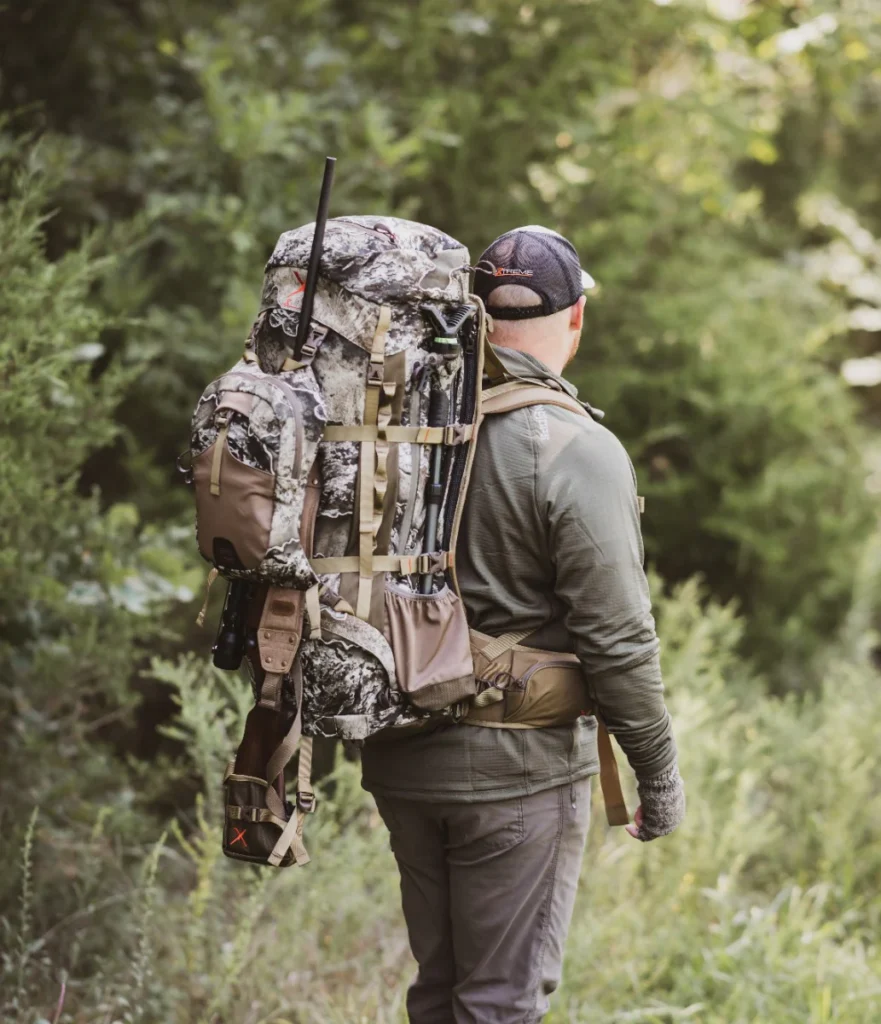
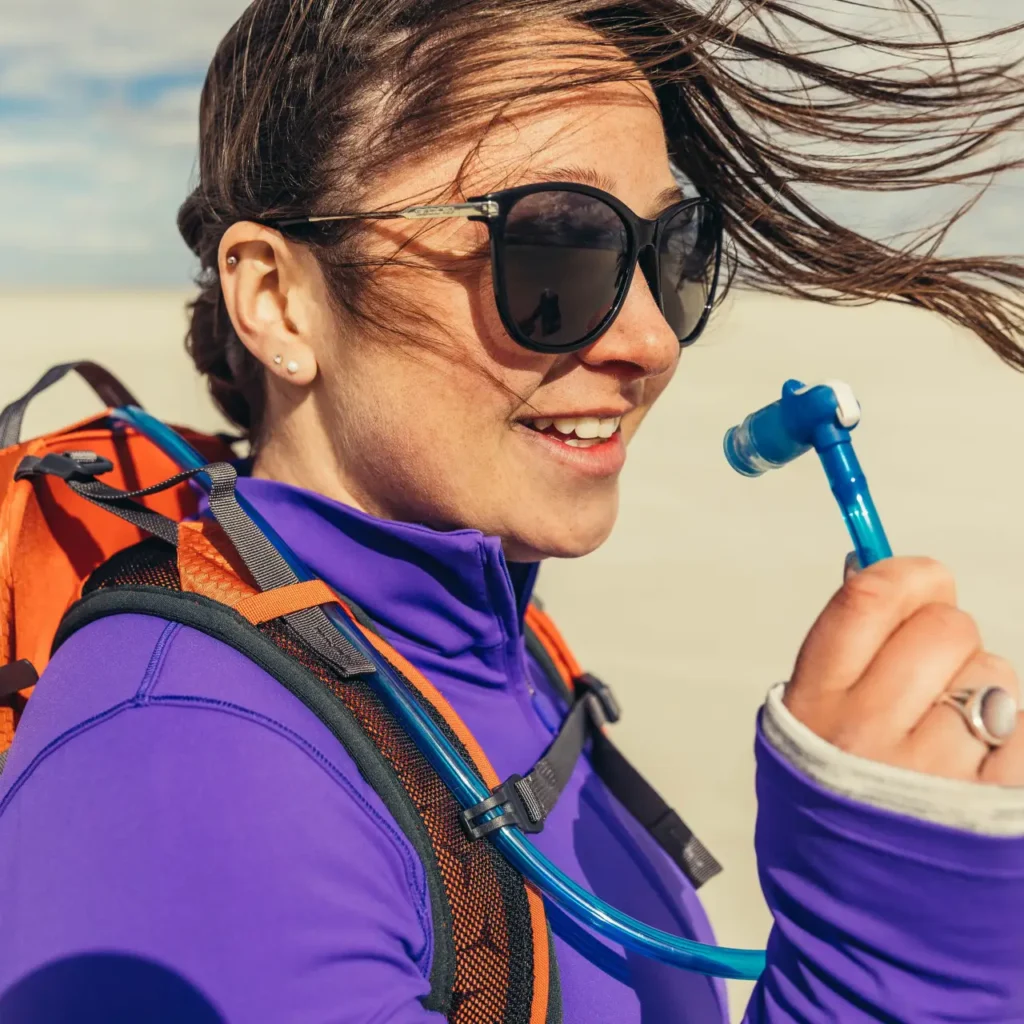
A water bottle works perfectly well on many trails. But once the miles start adding up, reaching behind your shoulder or stopping to dig through a pack can become inconvenient. That often means drinking less frequently than planned, especially on rolling terrain where it feels easier to keep moving.
A good hydration pack solves that small but important problem. The drinking tube stays within easy reach, water is carried close to your body, and the remaining storage space keeps trail essentials organized without forcing you to carry more pack than the hike requires. 💧
The best hydration packs for hiking are not all designed for the same type of day outdoors. A short shaded trail close to home calls for a very different setup than a long summer hike with exposed climbs, changing weather, and limited refill points. Some hikers need a compact pack with a simple reservoir. Others need ventilation, a supportive hipbelt, room for layers, and enough water for several hours away from the trailhead.
This guide focuses on practical choices that make sense for real hiking conditions. Each pack fills a distinct role, so the goal is not to find the most technical option. It is to find the pack that feels comfortable, carries the right amount of water, and fits the way you actually spend time on the trail.
Top Picks at a Glance
| Hydration Pack | Best For | Gear Capacity | Hydration System |
|---|---|---|---|
| Gregory Citro 24 H2O / Juno 24 H2O | Best Overall for Day Hiking | 24L | Included 3L reservoir |
| Osprey Talon 22 / Tempest 20 | Best Versatile Daypack | 22L / 20L | Reservoir compatible; sold separately |
| Gregory Nano 18 H2O | Best Value | 18L | Included 3L reservoir |
| Osprey Manta 24 / Mira 24 | Best Premium Comfort | 24L | Included 2.5L reservoir |
| REI Co-op Trailmade 10 Hydration Pack | Best for Short Hikes | 10L | Included 1.5L reservoir |
| Salomon ADV Skin 12 Hydration Vest | Best for Fast Hiking and Trail Running | 12L | Two included 500 mL soft flasks |
The Best Hydration Packs for Hiking in 2026
Gregory Citro 24 H2O / Juno 24 H2O: Best Overall for Day Hiking
The Gregory Citro 24 H2O and Juno 24 H2O stand out because they get the important details right without becoming overly complicated. These packs are large enough for a full day on the trail, comfortable enough for warm-weather hiking, and ready to use without requiring a separate reservoir purchase.
The Citro is designed around a men’s fit, while the Juno provides a women-specific fit. Both models offer 24 liters of gear space and include a 3-liter Gregory 3D Hydro reservoir. That is a useful capacity for longer day hikes, especially when the trail includes exposed sections or reliable water sources are limited.
Ventilation is the strongest reason to consider this pack. The suspended mesh back panel creates space between your back and the pack body, helping air move more freely when the sun is high and the climb becomes steady. It will not completely eliminate sweat on a hot day, but it feels noticeably more comfortable than a basic foam panel pressed directly against your back. ☀️
The reservoir sits in a dedicated zippered compartment, and the SpeedClip hanger makes it easier to remove and reinstall after refilling. The hipbelt pockets are also large enough for the items that are most useful while walking: snacks, lip balm, a small bottle of sunscreen, or a phone.
| Specs | Gregory Citro 24 H2O / Juno 24 H2O |
| Gear Capacity | 24 liters |
| Reservoir | Included 3L Gregory 3D Hydro reservoir |
| Weight | About 2 lbs., depending on model |
| Best Use | Full-day hikes and warm-weather trails |
| Key Features | Ventilated suspension, padded hipbelt pockets, dedicated reservoir sleeve, trekking pole attachment |
Pros:
- Comfortable ventilation for warm hiking conditions
- Practical 24-liter capacity for a complete day-hiking setup
- Includes a generous 3-liter reservoir
- Supportive hipbelt with useful pockets
- Reservoir compartment is easy to access during refills
Cons:
- More structured than a minimalist daypack
- Slightly more pack than needed for short neighborhood trails
- Suspended back panels can feel unfamiliar if you prefer a close-to-body fit
Who It’s Best For: Hikers looking for one dependable hydration pack for typical day hikes, warm-weather outings, and longer trails where comfort matters more than shaving every possible ounce.
Who Should Skip It: Hikers who mostly take short walks with only a phone, keys, and a light snack may be happier with a smaller option.
Check Price at REI | Check Price on Amazon
Osprey Talon 22 / Tempest 20: Best Versatile Daypack
The Osprey Talon 22 and Tempest 20 are not dedicated hydration packs in the strictest sense. A reservoir is sold separately. But that is also part of their appeal.
These are versatile hiking daypacks first. They work well for hikers who want a comfortable pack that can carry a hydration reservoir on warm trail days, hold water bottles when that setup feels simpler, and handle occasional biking, travel, or active outdoor use without feeling overly specialized.
The Talon 22 is designed around a men’s fit, while the Tempest 20 provides a women-specific fit. Both use Osprey’s close-to-body AirScape back panel and a supportive harness system that moves naturally while hiking over uneven terrain. The pack feels stable when scrambling over rocks, stepping around roots, or climbing switchbacks with a full load. 🥾
The external hydration sleeve is especially convenient. The reservoir can be removed and refilled without unpacking a rain jacket, food, or extra layers. That becomes a meaningful benefit when the weather is warm and the pack needs to be refilled during a longer outing.
| Specs | Osprey Talon 22 / Tempest 20 |
| Gear Capacity | 22 liters / 20 liters |
| Reservoir | Compatible; sold separately |
| Weight | About 2.1–2.4 lbs., depending on model and size |
| Best Use | Hiking, active day trips, and multi-sport use |
| Key Features | AirScape back panel, external hydration sleeve, supportive hipbelt, trekking pole attachment |
Pros:
- Excellent stability on uneven trails
- Versatile enough for hiking and other active outdoor use
- External reservoir sleeve simplifies refilling
- Comfortable hipbelt and close-to-body fit
- Enough room for layers, lunch, and the hiking essentials
Cons:
- Reservoir adds an extra purchase
- Less airy than a suspended mesh back panel
- More expensive than simpler hydration-ready daypacks
Who It’s Best For: Hikers who want one high-quality daypack for several outdoor activities and prefer choosing a reservoir separately.
Who Should Skip It: Anyone looking for a complete hydration system in one purchase will find better value in the Gregory Citro, Gregory Nano, or REI Co-op Trailmade packs.
Check Price at REI | Check Price on Amazon
Gregory Nano 18 H2O: Best Value
The Gregory Nano 18 H2O hits a useful middle ground. It is noticeably simpler and lighter than a framed daypack, but it still provides enough room for the basics most hikers carry on an everyday trail outing.
The 18-liter capacity is practical for a few hours outdoors. There is space for a rain jacket, compact fleece, snacks, a small first-aid kit, sun protection, and the other essentials that should not be left behind just because the trail looks easy on a map.
A 3-liter reservoir is included, which gives this pack strong value. That reservoir capacity is generous for a lightweight hydration pack and makes the Nano especially useful in warm climates, on rolling terrain, or on trails where water access is uncertain. 💦
The grooved foam back panel helps with airflow without adding the structure or weight of a suspended frame. A removable webbing hipbelt adds basic stability, although it is not designed to transfer heavier loads as effectively as the padded hipbelt found on the Gregory Citro.
| Specs | Gregory Nano 18 H2O |
| Gear Capacity | 18 liters |
| Reservoir | Included 3L Gregory Hydro reservoir |
| Weight | About 1.2 lbs. |
| Best Use | Everyday day hikes and warm-weather trails |
| Key Features | Lightweight design, ventilated foam back panel, dedicated reservoir compartment, removable webbing hipbelt |
Pros:
- Strong value for a pack-and-reservoir combination
- Lightweight without feeling overly stripped down
- Includes a full 3-liter reservoir
- Useful capacity for everyday hiking
- Simple design is easy to pack and easy to use
Cons:
- Minimal hipbelt provides stability rather than meaningful load support
- Less comfortable than a framed pack when carrying heavier gear
- Limited organization compared with premium hiking packs
Who It’s Best For: Hikers who want a dependable hydration pack for regular day hikes without paying for premium suspension or extra technical features.
Who Should Skip It: Hikers carrying heavier layers, camera gear, food for a group, or bulky cold-weather items may want the additional support of the Gregory Citro or Osprey Manta.
Check Price at REI | Check Price on Amazon
Osprey Manta 24 / Mira 24: Best Premium Comfort
The Osprey Manta 24 and Mira 24 are designed for hikers who care more about carrying comfort than minimalist weight. These packs feel more substantial than the other options in this guide, but the additional structure earns its place during long hours on the trail.
The Manta is built around a men’s fit, while the Mira provides a women-specific fit. Both include a 2.5-liter reservoir, a separate hydration compartment, and an AirSpeed suspension system that holds the pack away from your back to improve ventilation.
That suspended back panel becomes especially helpful during sustained climbs, humid forest hikes, and warm summer afternoons when a close-fitting pack can start to feel damp and uncomfortable. The structure also helps the pack maintain its shape as food disappears, layers move in and out, and the reservoir gradually empties. 🌲
The included raincover adds another practical advantage. Weather can change quickly in the mountains, and a raincover helps protect the extra layer, lunch, map, and electronics stored inside the pack when a passing shower arrives earlier than expected.
| Specs | Osprey Manta 24 / Mira 24 |
| Gear Capacity | 24 liters |
| Reservoir | Included 2.5L Osprey Hydraulics LT reservoir |
| Weight | About 3.4 lbs., depending on model |
| Best Use | Longer day hikes and comfort-focused outings |
| Key Features | AirSpeed suspension, adjustable fit, separate hydration compartment, included raincover |
Pros:
- Comfortable suspended back panel improves airflow
- Supportive fit for longer trail days
- Includes a 2.5-liter reservoir
- Dedicated hydration compartment simplifies refilling
- Included raincover is useful in unpredictable weather
Cons:
- Heavier than most hydration packs
- More expensive than simpler models
- Unnecessary for short hikes with a light load
Who It’s Best For: Hikers who regularly spend most of the day outdoors and prefer a supportive, feature-rich pack that feels comfortable after several hours of walking.
Who Should Skip It: Minimalists and casual hikers may find the Gregory Nano or REI Co-op Trailmade pack lighter, simpler, and more practical.
Check Price at REI | Check Price on Amazon
REI Co-op Trailmade 10 Hydration Pack: Best for Short Hikes
Not every hike needs a 20-liter pack. For short trails, local park loops, and easy morning outings, carrying a full-size daypack can feel unnecessary. The REI Co-op Trailmade 10 Hydration Pack keeps things simple.
The pack includes a 1.5-liter HydraPak reservoir and provides 10 liters of gear space. That is enough room for a light layer, phone, keys, sunscreen, snacks, and a compact first-aid kit without encouraging you to overpack.
At just 9 ounces, it feels light on the back. The air-mesh back panel and mesh shoulder straps also make sense for warm days when the goal is to carry the basics, keep water accessible, and enjoy the trail without fussing with gear. 🌤️
The included reservoir has a wide slider-style opening, which makes filling and cleaning easier than narrow-mouth designs. This detail matters more than it sounds. A hydration system that is easy to wash and dry is far more likely to become part of a regular hiking routine.
| Specs | REI Co-op Trailmade 10 Hydration Pack |
| Gear Capacity | 10 liters |
| Reservoir | Included 1.5L HydraPak reservoir |
| Weight | 9 oz. |
| Best Use | Short hikes, local trails, and lightweight outings |
| Key Features | Lightweight design, wide-opening reservoir, breathable mesh straps, simple organization |
Pros:
- Lightweight and easy to carry
- Includes a reservoir
- Simple layout makes packing straightforward
- Wide reservoir opening simplifies cleaning
- Comfortable choice for short warm-weather hikes
Cons:
- 1.5 liters may not be enough for longer or hotter outings
- Limited space for bulky layers
- Frameless design is not intended for heavier loads
Who It’s Best For: Hikers who mostly take short trips and want an uncomplicated hydration pack that covers the essentials.
Who Should Skip It: Longer hikes, desert trails, and mountain outings with changing weather usually call for more water and more gear capacity.
Salomon ADV Skin 12 Hydration Vest: Best for Fast Hiking and Trail Running
Traditional hydration packs work well when the pace is relaxed. But when the trail day involves steady movement, quick climbs, or running sections, a vest-style design can feel more natural.
The Salomon ADV Skin 12 wraps closely around the torso rather than hanging from the shoulders like a small backpack. That reduces bouncing and keeps snacks, water, and small essentials within easy reach while moving.
Instead of a rear reservoir as the primary hydration system, the vest includes two 500 mL soft flasks positioned in the front pockets. That makes it easy to sip without slowing down and check how much water remains at a glance. A rear reservoir can also be added separately for longer outings. 🏃
The 12-liter capacity provides more storage than a minimalist running vest. There is space for a light shell, food, phone, poles, and compact essentials, but the vest is still designed for a light and efficient load. It is not a substitute for a supportive daypack when carrying bulky layers or gear for other hikers.
| Specs | Salomon ADV Skin 12 Hydration Vest |
| Gear Capacity | 12 liters |
| Hydration System | Two included 500 mL soft flasks |
| Additional Compatibility | Compatible with a 2L rear reservoir, sold separately |
| Best Use | Trail running, fast hiking, and lightweight long-distance outings |
| Key Features | Close-fitting vest design, easy-access front hydration, stretch storage pockets, reduced bounce |
Pros:
- Stable fit during fast movement
- Front flasks are easy to access
- Plenty of pockets for snacks and small essentials
- Lightweight and efficient for higher-output trail days
- Useful option for hikers who dislike removing a pack frequently
Cons:
- Fit is highly personal and should be tested carefully
- Less supportive for heavier gear
- Front coverage can feel warmer than shoulder straps alone
- Included flask capacity may require additional water on longer trails
Who It’s Best For: Trail runners, fast hikers, and minimalists who prioritize movement, easy access, and a close-to-body fit.
Who Should Skip It: Traditional day hikers carrying extra layers, lunch, and a larger emergency kit may prefer a standard hydration pack with a supportive hipbelt.
Check Price at REI | Check Price on Amazon
How to Choose the Right Hydration Pack for Hiking
The best hydration pack is not automatically the largest, lightest, or most expensive option. The right choice depends on the trail, the weather, the amount of gear you carry, and how frequently you plan to use it.
Start With the Length and Conditions of the Hike
A shaded two-hour trail close to town does not require the same hydration setup as a long climb in direct summer sun. Think about the conditions that show up most often in your hiking routine.
| Typical Hike | Practical Pack Capacity | Practical Water Capacity |
| Short local hike or easy trail loop | 5–10L | 1–1.5L |
| Half-day hike in moderate weather | 10–18L | 1.5–2L |
| Full-day hike with layers and lunch | 18–25L | 2–3L |
| Hot, exposed, or remote trail | 18–30L | Up to 3L, plus a refill plan when needed |
| Fast hiking or trail running | Vest-style pack | Front flasks and optional rear reservoir |
Water needs vary significantly with temperature, elevation, sun exposure, terrain, pace, and individual needs. National Park Service guidance for hot conditions can reach roughly 1 quart or liter per hour, while cooler and easier trails may require less. Always check the official safety page for the park or trail area before heading out. For an example of hot-weather hiking guidance, see the National Park Service hiking safety recommendations.
Decide Whether You Need Gear Space or Just Water
A hydration pack should carry the trail essentials comfortably without forcing you to leave important items behind.
A 10-liter pack works well for short outings when the weather is stable and the trail stays close to developed areas. Once the day includes changing conditions, a longer route, or limited shade, an 18- to 24-liter pack becomes more practical. That extra space gives you room for a rain shell, insulating layer, food, sun protection, map, small emergency kit, and headlamp.
A hydration vest is different. It works best when everything has been intentionally pared down. The storage is distributed around your torso for quick access, but it is not designed for carrying bulky layers or a heavy lunch.
Pay Attention to Fit Before Features
A long list of technical features does not matter if the pack rubs your shoulders or shifts every time you step over a rock.
A padded hipbelt helps transfer weight away from your shoulders, especially when carrying several liters of water. A sternum strap improves stability. Adjustable torso sizing can make a meaningful difference on longer hikes.
Women-specific models such as the Gregory Juno, Osprey Tempest, and Osprey Mira typically adjust shoulder-strap shape, torso length, and hipbelt fit. These differences can improve comfort significantly, but fit is still personal. Trying on a pack with weight inside is the most reliable way to make a final decision. 🎒
Choose a Reservoir That Is Easy to Maintain
Hydration reservoirs are convenient, but they require basic care.
Wide openings are easier to fill with water and ice. Quick-disconnect hoses make refilling simpler because the hose can remain threaded through the pack. A dedicated reservoir sleeve keeps the bladder separate from the rest of your gear.
After hiking, empty the reservoir, rinse it thoroughly, and allow it to dry completely. Warm water, mild soap, and a bottle brush work well for regular cleaning. Hydration-cleaning tablets can help when a deeper clean is needed.
Consider Ventilation Honestly
Every backpack traps some heat against your body. The goal is not to eliminate sweat completely. It is to choose a back panel that matches your priorities.
A suspended mesh back panel, such as the Gregory Citro or Osprey Manta suspension, creates more space for airflow and feels comfortable in warm weather. The trade-off is added structure and weight.
A grooved foam panel, such as the one on the Gregory Nano, is lighter and simpler. A close-to-body panel, such as the Osprey Talon AirScape design, feels stable when moving across uneven terrain.
There is no universally best system. The right choice depends on whether airflow, low weight, or stability matters most on your typical hikes.
Frequently Asked Questions About Hydration Packs
Are hydration packs worth it for hiking?
For many hikers, yes. A hydration tube makes it easier to drink small amounts regularly without stopping to retrieve a bottle. This can be especially helpful during warm weather, steady climbs, and longer trails where it is easy to become distracted by the scenery or pace.
A hydration pack is not essential for every outing. Water bottles remain simple, reliable, and easy to monitor. Some hikers use both: a reservoir for easy sipping and a bottle for electrolyte drinks or backup water.
How large should a hydration pack be for day hiking?
For most day hikers, 18 to 24 liters is a practical range. That provides room for water, food, layers, sun protection, and basic emergency gear.
A smaller 10-liter hydration pack works well for short hikes with stable weather. A vest-style option works well for fast movement and lightweight trail days. Longer, more remote hikes may justify additional storage.
Is a 1.5-liter reservoir enough for hiking?
A 1.5-liter reservoir can be enough for a short hike in moderate conditions, especially when refill points are reliable. It may not be sufficient for a long hike, a hot afternoon, an exposed trail, or a route with significant elevation gain.
Always consider the full route rather than only the distance. A short but exposed desert trail can require more water than a longer shaded walk near reliable refill points.
Is a 3-liter reservoir too heavy?
Three liters of water weighs roughly 6.6 pounds when full. That is noticeable, but you do not need to fill a 3-liter reservoir completely on every outing.
A larger reservoir gives you flexibility. Fill it partially for a cool morning hike and use the full capacity when conditions call for more water. The best approach is to carry enough for the route without adding unnecessary weight.
How often should a hydration reservoir be cleaned?
Rinse the reservoir after each use and allow it to dry completely before storage. Clean it more thoroughly with warm water, mild soap, and a bottle brush when needed.
Sweetened drinks and electrolyte mixes leave more residue than plain water, so they require more careful cleaning. Follow the reservoir manufacturer’s care instructions, especially before placing any component in a dishwasher.
Can electrolyte drinks go inside a hydration reservoir?
Usually, yes, but plain water is easier to maintain. Sugary or flavored drinks can leave residue in the reservoir, tube, and bite valve.
A practical alternative is to keep water in the reservoir and carry an electrolyte drink in a separate bottle. That makes cleaning easier and gives you an additional water container if the hike takes longer than expected.
How can a hydration tube be kept from freezing in winter?
Take small sips regularly and gently blow the remaining water back into the reservoir after drinking. This helps keep water from sitting inside the exposed tube.
An insulated tube sleeve and bite-valve cover can also help during cold-weather hiking. Keep in mind that freezing conditions may require a more careful hydration plan than a standard three-season trail day.
Do hydration packs leak?
A well-maintained hydration pack should not leak during normal use. Most leaks come from an improperly closed reservoir, a loose hose connection, a damaged bite valve, or wear around the seams.
Fill the reservoir at home before the first hike, hold it upside down over a sink, and check the connections. This simple test is much easier than discovering a leak after packing a dry fleece and lunch.
Final Thoughts
The best hydration packs for hiking make trail days simpler. Water stays easy to reach, the essentials stay organized, and the pack feels comfortable enough that it fades into the background while you focus on the trail ahead.
For most day hikers, the Gregory Citro 24 H2O / Juno 24 H2O offers the strongest balance of ventilation, storage, comfort, and included hydration capacity. It is a dependable choice for full-day hikes and warm-weather trails.
The Gregory Nano 18 H2O is a smart value option for everyday hiking. The REI Co-op Trailmade 10 Hydration Pack makes more sense for short, simple outings. Hikers who want a versatile daypack can choose the Osprey Talon 22 / Tempest 20, while comfort-focused hikers may appreciate the more supportive Osprey Manta 24 / Mira 24.
For faster movement, the Salomon ADV Skin 12 offers a different kind of trail experience: close-fitting, efficient, and easy to access without slowing down.
Choose the pack that fits the trails you actually hike, carry enough water for the conditions, and leave room for the essentials. A comfortable hydration setup is one of those small gear upgrades that makes it easier to settle into the rhythm of the trail. 🌿
Affiliate Disclosure: GearForTheOutdoors.com participates in affiliate programs, including REI, Amazon, REI Outlet, Garage Grown Gear, evo, and other trusted partners. Purchases made through affiliate links may earn GearForTheOutdoors.com a small commission at no extra cost to the reader. This helps support practical, useful, and freely accessible outdoor content.
Disclaimer: This post is for informational purposes only. Always verify current product details, fit, availability, safety information, and manufacturer warranties before purchase or use. Outdoor conditions and gear performance can vary depending on setup, weather, terrain, and experience level.