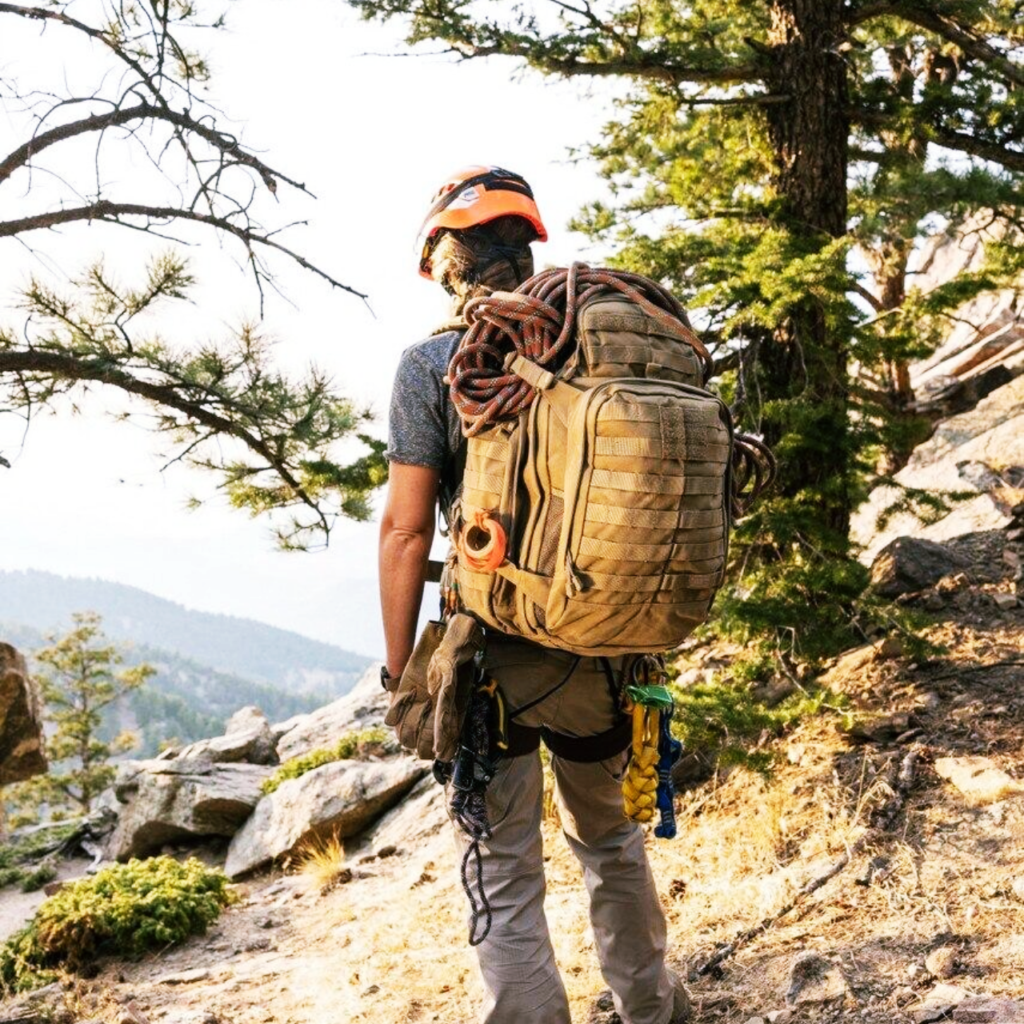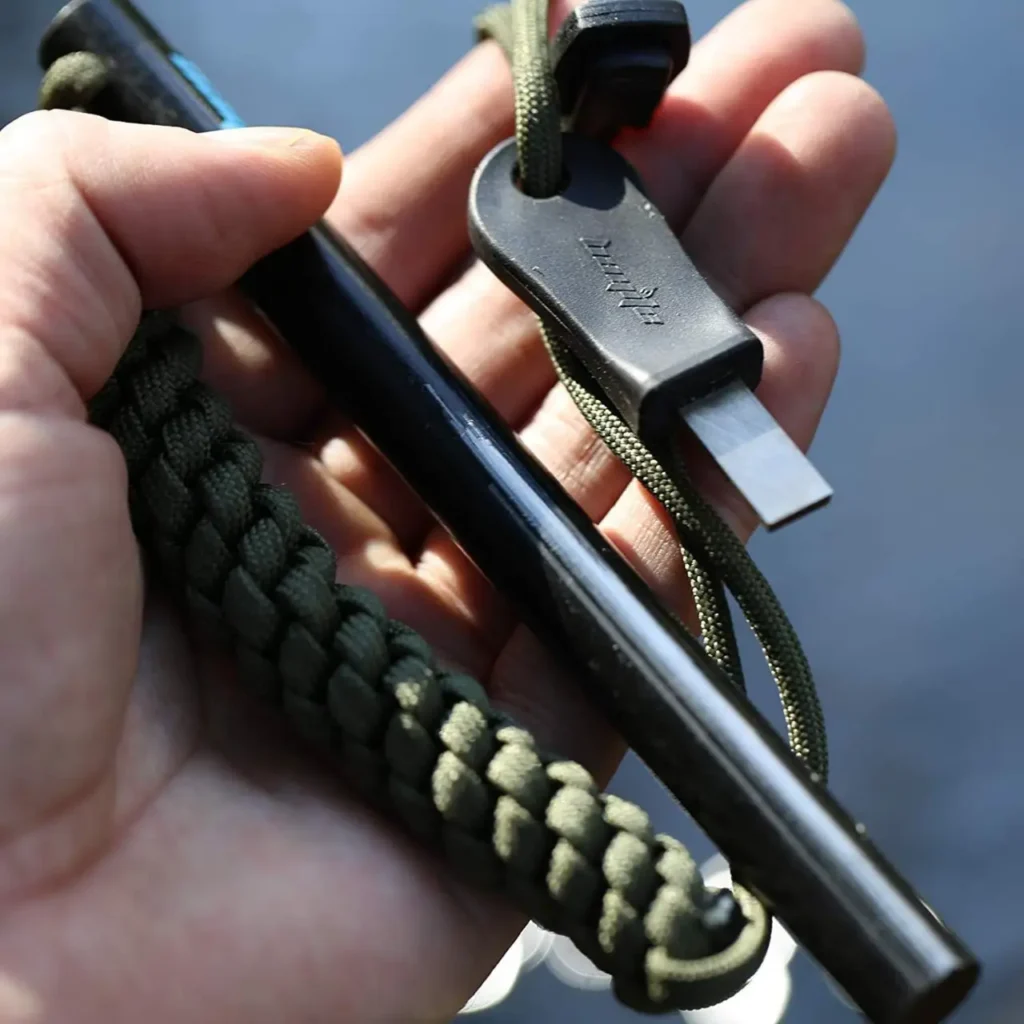
Outdoor gear gets a lot of attention when it is shiny, expensive, or packed with features. Tents, headlamps, stoves, GPS units, and power stations usually get the spotlight. But some of the most useful gear in camp is much quieter than that. It sits in a bin, pocket, drawer, or side pouch until something needs to be tied down, hung up, fixed, organized, or improvised. That is where good cordage earns its keep. 🏕️
Most campers, hikers, and van-lifers already know they need some kind of cord in the kit. The default answer is often paracord, and for good reason. It is strong, familiar, and widely available. But it is not always the most practical choice for every outdoor task. Sometimes a better option is lighter, less bulky, more weather-resistant, and much cheaper by the foot.
That is where tarred bank line starts to make a lot of sense.
More specifically, this guide focuses on SGT KNOTS Tarred Twine (#36 Bank Line). This is not flimsy hardware-store twine or throwaway utility string. It is compact, strong, easy to stash, and genuinely useful in the kind of real outdoor situations that come up all the time. Once it makes its way into a camp kit, van drawer, or repair pouch, it tends to stay there. 😊
For campers who like practical gear more than flashy gear, tarred bank line can easily become one of the most-used items in the whole setup.
Quick Take: Why We Recommend SGT KNOTS Tarred Twine
The short version is simple: SGT KNOTS Tarred Twine is one of the most practical non-climbing cordage options for camp, trail, and vehicle use. It is strong enough for most common outdoor tasks, weather-resistant, knot-friendly, compact for the amount of line you get, and far more affordable per foot than paracord.
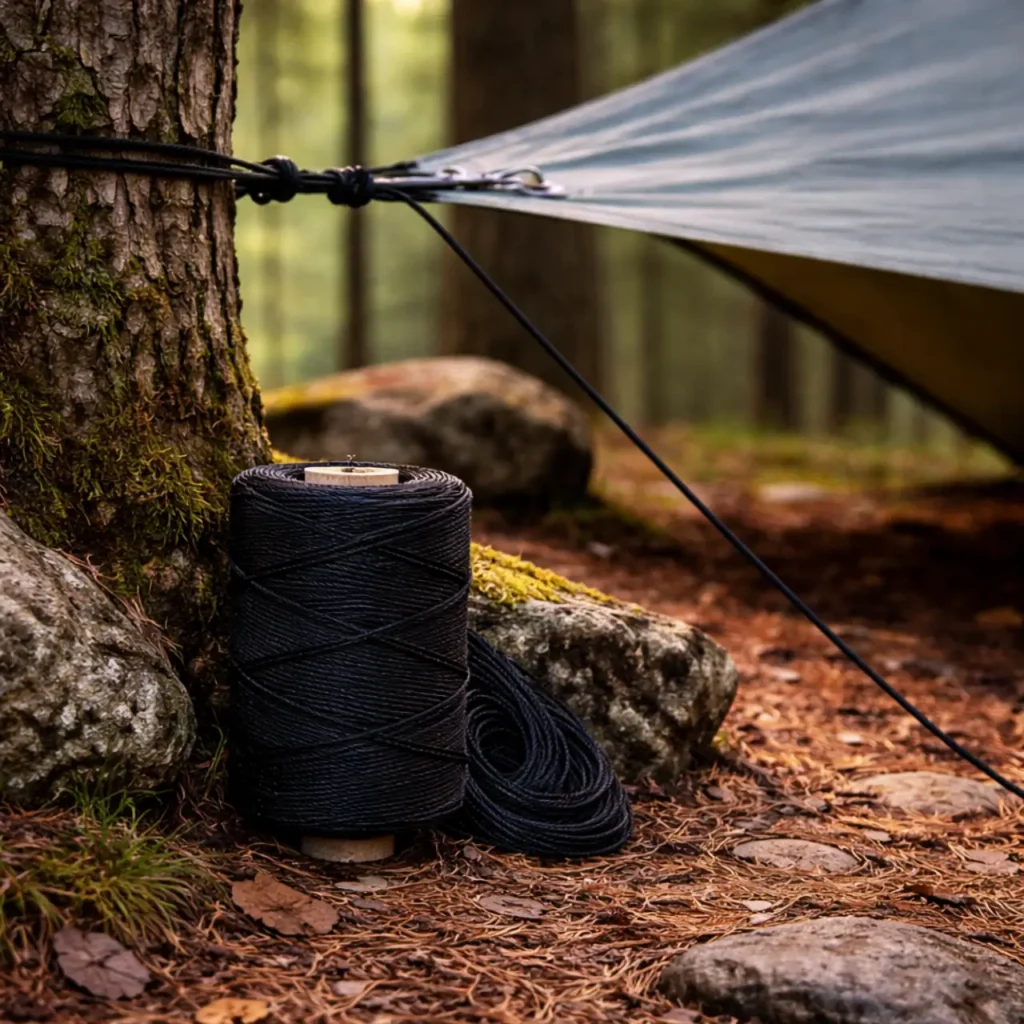
It especially stands out in static applications where reliable tension matters. Think tarp ridgelines, guylines, hanging gear, securing camp items, or building simple camp systems that need to stay put instead of stretching and sagging later. 🔧
| Feature | Why It Matters |
|---|---|
| Material & Coating | 100% nylon core with a tar treatment for extreme weather, UV, and abrasion resistance. |
| Strength-to-Size | The #36 size has a 320 lb tensile strength—plenty for tarps, guylines, and more. |
| Value | A 1 lb spool contains over 1,000 feet of cordage, offering unbeatable cost-per-foot. |
| Knot Security | The slightly tacky tarred surface helps knots lock in tight and resist slipping. |
| Low Stretch | Unlike paracord, it has minimal stretch, making it ideal for taut tarp ridgelines. |
| Made in the USA | SGT KNOTS is a veteran-owned American company. |
For anyone who wants reliable, weather-ready cordage for camp tasks, vehicle storage, emergency repairs, or general outdoor utility, SGT KNOTS Tarred Bank Line is easy to recommend.
What Exactly Is Tarred Bank Line?
The name sounds a little old-school, and that is part of the appeal. Tarred bank line has a working-gear feel because that is exactly what it is. It was made for hard use long before it became popular with campers, bushcrafters, and hikers.
The term “bank line” comes from fishing. It was traditionally used for trotlines or bank lines stretched along riverbanks with multiple hooks attached. In that role, the line needed to handle moisture, abrasion, tension, and prolonged exposure to the elements. It could not be delicate, and it could not fail easily.
The “tarred” part refers to the protective coating on the line. Older versions used pine tar. Modern versions like SGT KNOTS use a black net-coating treatment that gives the line its dark color, grippy feel, and weather-tough character. The result is a nylon twine that feels purpose-built for outdoor use instead of adapted to it. 🌲
That coating is not just cosmetic. It changes how the line performs in real conditions.
- UV Resistance: Sun exposure breaks down a lot of outdoor materials over time. The coating helps shield the nylon fibers from UV damage so the line holds up better during repeated outdoor use.
- Weather Resistance: The line resists water well and does not behave like absorbent natural twine that gets soggy, weak, or mildew-prone.
- Abrasion Resistance: When the line rubs against bark, stakes, metal edges, or rough camp surfaces, the coating gives it more durability.
- Knot Security: The slightly tacky surface helps knots bite better and stay put, which is one of the biggest reasons people end up preferring it over smoother cordage.
In practical terms, tarred bank line is a durable, compact, weather-resistant nylon twine made for jobs where dependable tension and all-around usefulness matter more than raw bulk strength.
A Deep Dive into SGT KNOTS Tarred Twine (#36)
A few brands sell bank line, but SGT KNOTS is one of the most recognizable names in this space. Their #36 tarred twine has become a favorite because it lands in a very useful middle ground: strong enough for a wide range of outdoor jobs, compact enough to carry easily, and affordable enough that it never feels wasteful to cut and use.
That balance is what makes it so appealing. It is not oversized for simple camp tasks, but it also does not feel flimsy or disposable.
Key Features and Why They Matter
1. Material: 100% Twisted Nylon Core
This line uses a twisted nylon construction rather than a braided sheath-and-core design like paracord. Nylon is already a strong, rot-resistant synthetic, and in this form it creates a dense, practical twine that feels purpose-built for outdoor utility.
The twisted build matters because it gives the line a firm, functional feel. It also helps explain why the line stays relatively low-stretch in many common camp uses. For tarp setups and camp organization, that matters more than many people expect. 😊
- Why it matters: Natural twines like jute or cotton may feel traditional, but they are far less suited to wet, repeated outdoor use. Nylon holds up much better when exposed to rain, damp storage, mud, and general campsite abuse.
2. Strength: 320 lb. Tensile Strength
At around 320 pounds of tensile strength, #36 bank line is not meant for climbing, rescue, or anything life-safety related. That boundary matters and should always be respected. But for everyday outdoor tasks, 320 pounds is a very useful strength rating.
It is enough for tarp ridgelines, gear tie-downs, camp lashing, bear-bag use in many situations, and countless repair or setup jobs around camp. In other words, it covers the kind of cordage work that most campers actually do most of the time.
- Why it matters: This is the sweet spot for people who want a lot of usable line without carrying thick, bulky rope. It feels more substantial than cheap utility twine but still stays compact and efficient.
3. Length & Weight: Approx. 1,070 Feet per 1 lb. Spool
This is one of the most compelling parts of the whole product. A 1-pound spool gives roughly 1,070 feet of line. That is a huge amount of cordage for the size and weight.
For car campers and van-lifers, a single spool can live in a gear box for a very long time and still see regular use. For hikers, it is easy to peel off a manageable amount, wrap it around a card, stake, or small organizer, and carry only what is needed. That makes it feel flexible instead of excessive. 🎒
- Why it matters: The amount of cord per pound is one of the biggest reasons tarred bank line feels so practical. It encourages actual use instead of “saving it for later.”
4. The Tar Treatment: The Secret Sauce
Without the coating, this would just be nylon twine. The tar treatment is what gives it the character people like: the darker finish, the grip, the weather resistance, and the tough working feel.
That tackier texture is especially helpful with knots. Smooth cordage can loosen if the knot is not tied carefully or the line shifts under tension. Tarred bank line tends to feel more cooperative. Once a knot is dressed and set, it usually stays where it belongs.
- Why it matters: Good camp cordage should not require constant babysitting. If a ridgeline sags, a guyline slips, or a gear lash loosens halfway through the day, the setup becomes annoying fast. Tarred bank line reduces that friction in a very practical way.
25+ Practical Uses for Tarred Bank Line Outdoors
This is where tarred bank line really proves itself. It is not a one-task item. It is the kind of cordage that quietly solves problem after problem across camping, hiking, vehicle travel, camp organization, and basic field repairs.
Some gear is nice to have. This kind of line often becomes the thing that makes the rest of the setup work better. 🧭
At the Campsite
- Tarp Ridgeline: One of the best uses for it. The low stretch helps keep a shelter pitch tighter and more stable.
- Tarp & Tent Guylines: Strong, weather-resistant, and less prone to slipping once tied.
- Clothesline: Quick to string up, compact to pack, and useful after rain, river crossings, or longer trips.
- Hanging a Bear Bag/Food Canister: Strong enough for typical hoisting tasks when used appropriately and in line with local food-storage rules.
- Securing Loose Gear: Great for tying down bins, chairs, tarps, pads, or other items before wind picks up.
- Camp Kitchen Organizer: Run a line between two points and hang utensils, towels, or lightweight cookware.
- Trash Bag Holder: Keeps trash elevated and a little more organized around camp.
- Lantern Hanger: Easy to create a loop or hanging point exactly where light is needed.
- Makeshift Tent Door Tie-Back: Simple, light, and much nicer than wrestling fabric every time the door opens.
For Hiking & Backpacking
- Emergency Boot Laces: A short length tucked into a repair kit can save a hike fast.
- Tent Pole Splint: Lash a stick or sleeve to a damaged section for a temporary field fix.
- Repairing a Backpack Strap: Useful for stabilizing a torn strap or securing a failed buckle area until a real repair is possible.
- Improvised Pack Lashing: Attach sandals, wet gear, foam pads, or other awkward items outside the pack.
- Trail Markers: Helpful only when used responsibly and temporarily; anything placed should always be removed afterward.
For Car Camping & Van Life
- Securing an Awning: Extra guylines and tie-outs matter when weather changes quickly.
- Organizing the Vehicle: Run lines inside a vehicle or canopy for hanging light items or creating simple storage systems.
- Tying Down Roof Rack Gear: Useful for lightweight support tasks and backup lashing.
- DIY Storage Solutions: Handy for making quick loops, tie points, or light-duty netting around a camp or vehicle setup.
For Bushcraft & Survival Skills
- Bow Drill Cord: Durable enough for friction-fire setups and grippy enough to work well in that role.
- Lashing for Camp Furniture: Good for tripod builds, pot hangers, and simple camp structures.
- Fishing Line in a Pinch: It started as fishing line, and it still works for improvised handline use if needed.
- Net Making: The structure and coating make it useful for weaving or practice projects.
- Snares or Traps: Relevant only in true survival or legal-use contexts; not a casual campsite use case.
- Perimeter Line: Can help define camp space or support simple noisemaker alerts around gear.
- Whipping Rope Ends: Excellent for finishing larger rope ends and reducing fray.
The big takeaway is that tarred bank line earns its place because it is not precious. It can be used hard, cut often, stashed anywhere, and trusted for dozens of small but important jobs that make camp life smoother. 😊
Tarred Bank Line vs. Paracord: Which is Better?
This is the comparison most outdoor shoppers want, and the answer is more nuanced than “one is better.” These two types of cordage overlap, but they do not shine in exactly the same ways.
Paracord is the familiar all-arounder. Tarred bank line is the leaner, grippier, more static-minded option that often works better for campsite utility and tarp-focused use.
| Feature | SGT KNOTS Tarred Bank Line (#36) | Mil-Spec 550 Paracord | Winner & Why |
|---|---|---|---|
| Tensile Strength | ~320 lbs | ~550 lbs | Paracord. It’s undeniably stronger, making it better for tasks requiring higher load-bearing capacity. |
| Weight & Bulk | Very low. A 1,070 ft spool weighs 1 lb. | Higher. 1,000 ft of paracord weighs nearly 2 lbs and is much bulkier. | Bank Line. You get far more length for the weight and space, a huge plus for backpackers. |
| Stretch | Very low (static) | Moderate (dynamic) | Bank Line. The minimal stretch is a massive advantage for tarp ridgelines and guylines that need to stay taut. |
| Weather/UV Resistance | Excellent, due to tar coating. | Good, but the nylon sheath can degrade over time with prolonged UV exposure. | Bank Line. The coating gives it a clear edge for long-term outdoor exposure. |
| Knot Security | Excellent. Tacky surface helps knots lock. | Good. The braided sheath is smooth and some knots can slip if not dressed properly. | Bank Line. Knots feel more secure and are less likely to work themselves loose. |
| Cost Per Foot | Extremely low. | Low, but significantly higher than bank line. | Bank Line. It is one of the most economical cordage options available. |
| Versatility | Single-strand construction. | Multi-strand core. The 7-9 inner strands can be used for sewing, fishing, etc. | Paracord. The ability to gut it and use the inner strands is a unique feature that bank line can’t match. |
The Real-World Verdict
Choose paracord when higher strength matters most, when the inner strands may be useful, or when a slightly more multi-role emergency cord makes more sense for the kit.
Choose tarred bank line when the goal is camp utility, tarp setup, weather resistance, compact storage, knot reliability, and getting a lot of cordage without carrying a lot of bulk.
For many outdoor setups, the smartest answer is having both. But if the job is mostly campsite use, tarp lines, general lashing, and repair duty, SGT KNOTS Tarred Bank Line often feels like the more efficient tool for the task. 🪢
Who Is This Twine Best For?
Not every piece of cordage fits every kind of user equally well. Tarred bank line makes the most sense for people who care more about practical utility than tactical branding or maximum rated strength.
- The Practical Car Camper: This is one of the best fits. A spool can live in a tote or drawer and solve dozens of little camp problems across a season.
- The Tarp Camper: This is where bank line really stands out. Low stretch and better knot grip make a noticeable difference in tarp setups.
- The Van-Lifer & Overlander: Useful for organization, backup lashing, awning support, hanging gear, and quick field fixes.
- The Bushcraft Enthusiast: It has long been appreciated in bushcraft circles because it is simple, dependable, and versatile.
- The Budget-Conscious Gear Buyer: Few cordage options deliver this much usable line for so little cost per foot.
Who Might Want to Skip It?
That question matters too.
If the goal is climbing, rescue, hammock suspension, dynamic loading, or any application involving life safety, this is not the right product. If the priority is a smoother line with no residue or smell at all, tarred bank line may also feel less appealing. And if only short lengths of cordage are needed, a hank of paracord may be simpler and cleaner.
That said, for ordinary outdoor use, most people are more likely to be surprised by how often this line helps than disappointed by what it cannot do. 😊
Pros and Cons of SGT KNOTS Tarred Twine
No gear earns a permanent place in the kit without tradeoffs. Tarred bank line has a lot going for it, but it is still worth being clear-eyed about the downsides.
Pros:
- Incredible Value: The price-per-foot is one of the strongest selling points.
- Lightweight & Compact: A lot of cord fits in very little space.
- Excellent Weather Resistance: Handles sun, moisture, and general outdoor exposure well.
- Strong Knot-Holding: The grippy surface helps knots stay set.
- Minimal Stretch: Great for shelter setups and any line that needs to stay taut.
- Made in the USA: A solid plus for shoppers who value domestic manufacturing and veteran-owned companies.
Cons:
- Can Be Messy: The tar coating can leave a black residue on hands, especially early on.
- Less Strong Than Paracord: Plenty strong for many tasks, but not the right choice for higher-load needs.
- Distinct Smell: New tarred line can have a noticeable asphalt-like odor. It usually softens with time and exposure.
- Not Ideal for Every User: Some people simply prefer cleaner, smoother cordage if they use it mainly indoors or for lighter utility jobs.
The good news is that the downsides are usually easy to understand up front. This line does not hide what it is. It feels like hard-working utility gear, and that is exactly why so many outdoor users end up liking it.
Final Verdict: An Unsung Hero for Your Gear Kit
SGT KNOTS Tarred Bank Line is not flashy gear, and that is part of its charm. It is the kind of item that earns trust by being useful over and over again rather than making big promises.
For campers, hikers, van-lifers, and gear tinkerers who appreciate practical solutions, this is one of those rare inexpensive items that can make a setup noticeably better. It helps shelters stay taut, gear stay organized, repairs stay possible, and small camp problems stay manageable. That kind of reliability matters more than hype ever will. 🏕️
The best gear is often the gear that quietly handles real work without demanding attention. Tarred bank line fits that description extremely well. It is compact, durable, affordable, and genuinely versatile. For many outdoor kits, that is enough to make it one of the smartest small purchases in the whole system.
Frequently Asked Questions (FAQ)
Q: Is tarred bank line waterproof?
A: It is best described as highly water-resistant rather than truly waterproof. The tar treatment helps prevent the nylon from soaking up water the way natural twines can, so it stays more functional in wet conditions and dries out more predictably. For outdoor cordage use, that weather resistance is one of its biggest strengths. 🌧️
Q: Does the tar smell bad or rub off on everything?
A: It usually has a noticeable tar-like smell when new, though many users find it mild rather than overwhelming. The coating can leave some black residue on the hands, especially during early use or when handling a lot of line at once. That tends to be manageable, and it generally does not behave like a messy coating once the line is tied and in place.
Q: What’s the difference between #36 and other sizes?
A: The size number refers to thickness and strength. Smaller sizes like #18 are thinner and lighter but have lower strength. Larger sizes like #72 are thicker and more robust, but also bulkier. #36 is often considered the sweet spot for general outdoor use because it balances strength, packability, and overall versatility very well.
Q: Can I use this for a bear bag?
A: Yes, #36 bank line is commonly used for hoisting food bags because 320-pound strength is enough for many standard setups. The main thing is to follow local regulations and good bear-bag technique. In some situations, a thicker rope may feel easier on the hands while pulling, but bank line is absolutely capable for this type of task.
Q: How is this different from regular jute or cotton twine?
A: It is a major upgrade in strength, durability, and outdoor longevity. Jute and cotton are natural fibers, which means they are more vulnerable to moisture, rot, mildew, and general breakdown. Tarred nylon bank line is designed for repeated exposure to weather and abrasion, making it far better suited to camping, hiking, and vehicle-based outdoor use. 😊
Affiliate Disclosure: GearForTheOutdoors.com participates in affiliate programs, including REI, Amazon, REI Outlet, Garage Grown Gear, evo, and other trusted partners. When you purchase through our links, we may earn a small commission at no extra cost to you. That helps support our content and keeps our recommendations useful, practical, and free.
Disclaimer: This post is for informational purposes only. Always verify current product details, fit, availability, safety information, and manufacturer warranties before purchase or use. Outdoor conditions and gear performance can vary depending on setup, weather, terrain, and experience level.