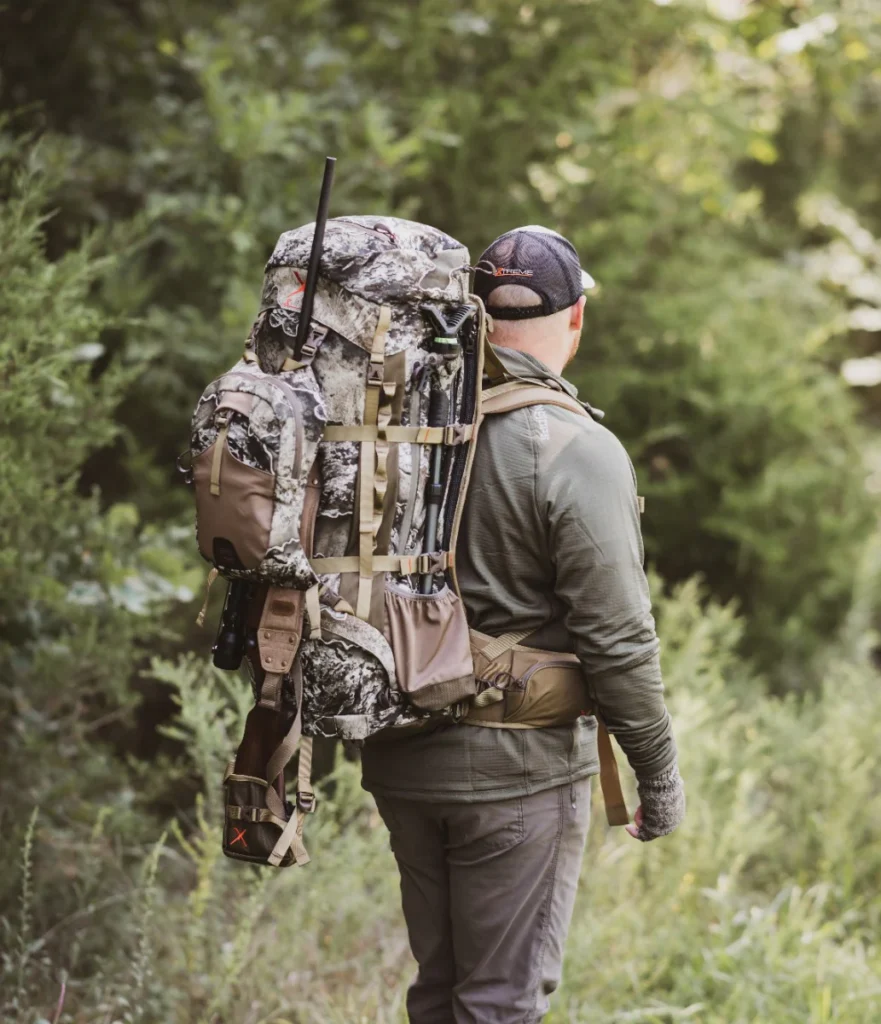
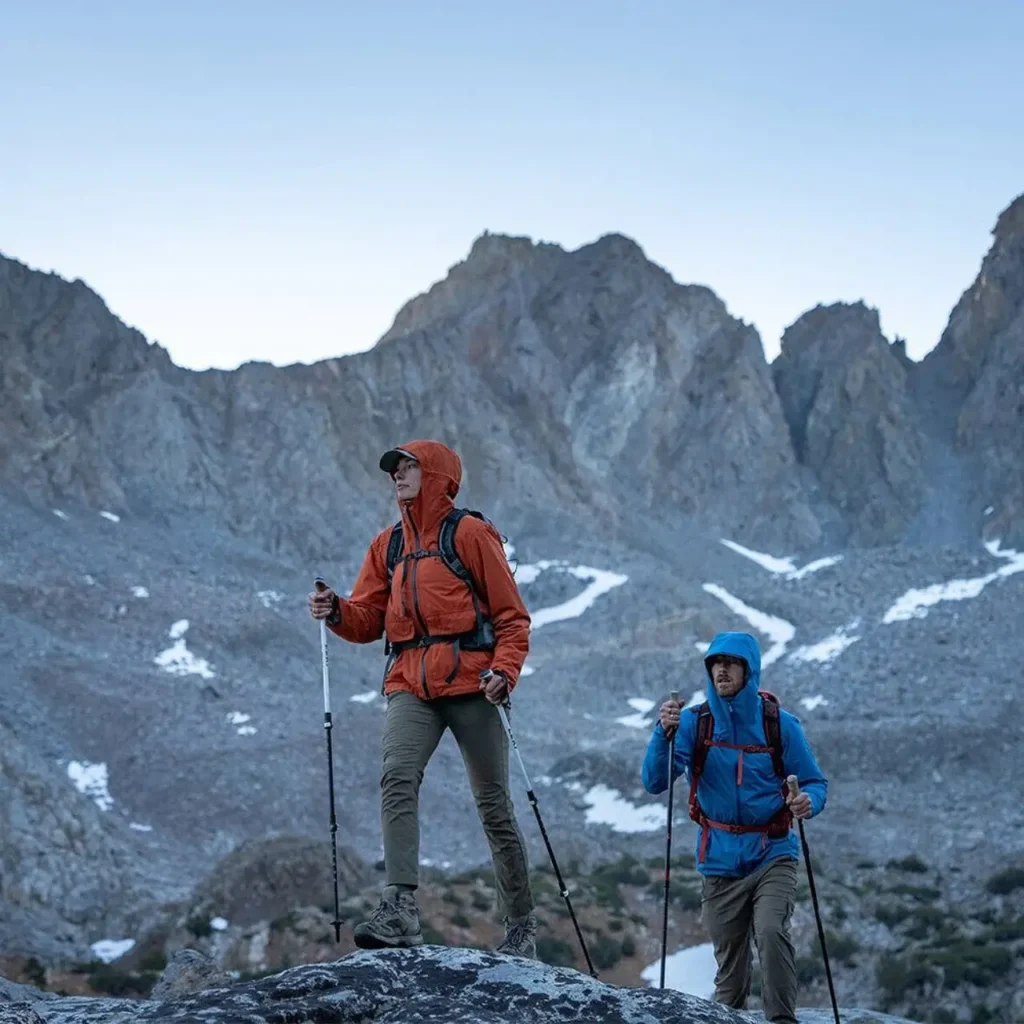
A good hiking daypack does more than hold snacks and a rain jacket. It keeps water close, layers easy to reach, small essentials organized, and weight balanced enough that the trail feels like the focus — not the pack on your shoulders. 🎒
That matters more than many hikers realize. A poorly fitting pack can turn a mellow forest loop into a shoulder-rubbing, back-sweating, gear-digging mess. A well-chosen daypack quietly does its job from the trailhead to the last dusty mile back to the car.
The best daypack for hiking is not always the most technical or expensive option. For most hikers, it is the pack that fits comfortably, carries the right amount of gear, handles changing weather, and makes it easy to grab water, snacks, sunscreen, a phone, or a shell without unloading everything on the side of the trail.
For everyday day hikes, the sweet spot is usually 20 to 30 liters. That range is roomy enough for water, food, extra layers, basic first aid, a headlamp, navigation, rain protection, and the rest of the Ten Essentials — without feeling like a backpacking pack. 🥾
This guide focuses on practical hiking daypacks that make sense for real trail use: local loops, national park hikes, summer climbs, fall foliage walks, travel days, long day hikes, and casual trail-to-town adventures.
Top Hiking Daypack Picks at a Glance
| Pack Name | Capacity | Price Tier | Best For |
|---|---|---|---|
| Osprey Talon 22 / Tempest 20 | 22L / 20L | $$ | Best All-Around Hiking Daypack |
| Gregory Citro 24 / Juno 24 H2O | 24L | $$$ | Hot Weather & Hydration |
| REI Co-op Trail 25 | 25L | $ | Best Value for Most Hikers |
| Deuter Speed Lite 21 | 21L | $$ | Fast, Light Day Hikes |
| Hyperlite Mountain Gear Elevate 22 | 22L | $$$$ | Ultralight & Weather-Resistant Hiking |
| Fjällräven Skule 28 | 28L | $$ | Trail-to-Town Versatility |
How to Choose a Hiking Daypack: A Buyer’s Guide
A hiking daypack should match the way it will actually be used. That sounds obvious, but it is easy to get distracted by pocket counts, brand names, bright colors, or ultralight specs that may not matter much on a normal Saturday hike.
A good pack should answer a few simple questions:
Can it carry enough water?
Can it fit the layers needed for the season?
Can it keep important items easy to reach?
Can it stay comfortable after several miles?
Can it handle the kind of trails on the calendar?
If the answer is yes, the pack is probably doing its job.
Capacity: How Much Space Do You Need?
Daypack capacity is measured in liters. For hiking, a few liters can make a real difference — especially once water, food, rain gear, insulation, and safety items are packed.
- 10–20 Liters: Best for short hikes, warm-weather walks, quick local trails, and minimalist outings. This size usually fits a bottle, snack, light layer, phone, wallet, keys, and a few small essentials. It feels nimble, but it can get tight quickly if weather changes or the hike runs longer than expected.
- 20–35 Liters: This is the most useful range for most day hikers. It offers enough space for the Ten Essentials, lunch, a rain shell, a fleece or puffy, 2–3 liters of water, first-aid basics, sun protection, and small comfort items. Most of the best daypacks for hiking live in this range because it balances space and comfort well.
- 35+ Liters: Better for winter hiking, parents carrying extra gear for kids, photography-heavy hikes, shoulder-season routes, or long days where bulky layers and safety gear are required. For a simple summer trail, this size can feel bigger than necessary. ❄️
A common beginner mistake is buying too small. A compact pack may look clean and light online, but it becomes frustrating when a rain jacket, lunch, water filter, and extra layer all need to fit inside.
Going too large can be a problem too. A half-empty pack may sag, shift, or tempt unnecessary overpacking.
For a first serious hiking daypack, 22 to 28 liters is usually the safest range.
Fit & Sizing: The Most Important Factor
A daypack can have great features and still be the wrong choice if it does not fit well.
A properly fitted hiking pack should sit close to the body, keep the load stable, and avoid rubbing at the shoulders, neck, lower back, and hips. It should feel secure when stepping over roots, leaning into climbs, or walking down loose gravel.
- Torso Length: Torso fit matters more than overall height. The key measurement runs from the C7 vertebra — the bony bump at the base of the neck — down to the top of the hip bones. Many hiking packs come in different sizes or adjustable torso ranges to help dial in the fit.
- Gender-Specific Fit: Women’s-specific packs often have shorter torso ranges, narrower shoulder harnesses, curved straps, and hip belts shaped for different body proportions. That does not mean every woman needs a women’s pack or every man needs a men’s pack. The best choice is the pack that fits the body wearing it.
- Hip Belt: A good hip belt helps move some weight off the shoulders. Smaller daypacks may use simple webbing straps, while more supportive models include padded hip belts with zippered pockets. For longer hikes or heavier loads, that extra support is worth having. 🏔️
The best way to judge fit is to load the pack with realistic hiking weight, adjust it properly, and walk around. Shoulder straps should not pinch. The pack should not pull backward. The hip belt should sit around the top of the hip bones instead of floating around the waist.
Frame & Suspension
The suspension system affects comfort, airflow, load stability, and how the pack feels after a few miles.
- Internal Frame or Frame Sheet: Many daypacks use a lightweight frame sheet, flexible frame, or perimeter wire. This gives the pack structure and helps transfer weight more comfortably.
- Ventilated Back Panel: Suspended mesh back panels create a small air gap between the pack and the back. That airflow can be a big comfort upgrade in hot, humid, or exposed conditions.
- Foam Back Panel: Foam panels usually sit closer to the body. They may not ventilate as well, but they often feel more stable for scrambling, faster hiking, or carrying denser loads.
- Frameless Design: Frameless packs save weight and feel simple, but they provide less support. They work best for lighter loads and hikers who already know how to pack efficiently.
There is no single best suspension style. Hot-weather hikers may care most about airflow. Fast hikers may prefer a close, stable carry. Ultralight hikers may accept less padding to save weight. Casual hikers may simply want comfort, organization, and easy access. 🌲
Key Features to Look For
Good features should solve real trail problems. Extra pockets and straps are only helpful when they make the hike smoother.
- Hydration Compatibility: Most hiking daypacks include an internal sleeve for a hydration reservoir and a hose port for routing the drinking tube. This is especially useful for hot hikes or long climbs where stopping often is inconvenient.
- Water Bottle Pockets: Side pockets should be deep enough to hold bottles securely and stretchy enough to work with different bottle sizes.
- Hip Belt Pockets: These are small but incredibly useful. Snacks, lip balm, sunscreen, a small camera, or a phone can stay close without removing the pack.
- Front Shove-It Pocket: A large stretch pocket on the front is ideal for a wet rain shell, map, gloves, sit pad, or layer that keeps going on and off.
- Rain Cover or Weather Protection: Most hiking packs are water-resistant, not waterproof. A rain cover, pack liner, or dry bag is smart in wet climates.
- Trekking Pole Attachments: Useful for hikers who switch between using poles and carrying them on scrambles, flat sections, or travel days.
- Easy Main Compartment Access: Panel-loading packs open wide and make gear easier to find. Top-loading packs can be durable and simple, but they often require more digging.
The right feature set depends on the hike. Desert hikers often prioritize hydration. Pacific Northwest hikers may care more about rain protection. Beginners may benefit most from simple organization and comfortable fit.
The Best Daypacks for Hiking in 2026
1. Osprey Talon 22 / Tempest 20: Best All-Around Hiking Daypack
| Spec | Detail |
|---|---|
| Capacity | Talon: 22L / Tempest: 20L |
| Weight | Around 2 lbs, depending on model and size |
| Frame | Lightweight internal frame / frame sheet |
| Ventilation | AirScape-style back panel |
| Hydration | Hydration compatible |
The Osprey Talon 22 and women-specific Tempest 20 have become hiking staples because they feel like real trail packs without becoming bulky, complicated, or overbuilt.
This is the kind of daypack that makes sense for a wide range of hikers: weekend trail users, national park visitors, peak-baggers, fitness hikers, and anyone who wants one dependable pack for most day hikes.
The fit is the biggest reason this pack stands out. The harness and hip belt feel secure without being stiff, and the pack rides close enough to the body to stay stable on uneven terrain. On rocky steps, steep switchbacks, and rolling forest trails, that stability matters. 🥾
The 22-liter Talon and 20-liter Tempest are best for hikers who pack intentionally. There is room for water, snacks, lunch, a rain shell, a light insulating layer, sunscreen, first-aid basics, a headlamp, and navigation tools. It is not a huge pack, but it carries the right amount for most three-season day hikes.
The organization is also very trail-friendly. Hip belt pockets keep small items within reach. Side stretch pockets work well for bottles. The front storage is useful for layers, and the trekking pole carry system is helpful when poles are not needed for a section.
The Talon and Tempest are especially good for hikers who want a pack that feels athletic. It moves well, carries cleanly, and does not feel like a commuter bag pretending to be hiking gear.
What’s Good:
Comfortable fit, stable carry, useful pocket layout, solid trail features, and a great balance of weight, support, and movement.
What to Consider:
Ventilation is good, but not as airy as a suspended-mesh pack. Rain protection may require a separate cover depending on the version and retailer.
Best For:
Hikers who want one high-quality daypack for local trails, mountain hikes, national parks, and full-day adventures.
2. Gregory Citro 24 / Juno 24 H2O: Best for Hot Weather & Hydration
| Spec | Detail |
|---|---|
| Capacity | 24L |
| Weight | Around 2 lbs, plus included reservoir depending on model |
| Frame | Perimeter wire internal frame |
| Ventilation | VaporSpan ventilated suspension |
| Hydration | 2.5L reservoir included in H2O versions |
The Gregory Citro 24 and women-specific Juno 24 H2O are built for hikers who care about airflow and hydration. If summer trails, humid forests, exposed climbs, or long warm-weather days are part of the plan, this pack makes a lot of sense.
The standout feature is the ventilated suspension. The mesh back panel holds the pack away from the back just enough to let air move through. That does not make hot hiking feel cold, but it can make a noticeable difference when the trail climbs, the sun gets high, and sweat starts building under a regular foam back panel. 🌤️
The H2O versions also include a 2.5-liter reservoir, which adds real value. For hikers who already prefer hydration bladders, that makes the setup easier right away. For hikers switching from bottles, it removes one more decision.
Capacity is right in the day-hiking sweet spot. At 24 liters, the Citro and Juno have enough room for a full warm-weather hiking kit: water, snacks, lunch, rain shell, light layer, first aid, sun protection, and small accessories.
The curved frame does affect packing. Rigid or boxy items may not sit as neatly as they would in a flatter pack. That is the usual tradeoff with highly ventilated designs. For hot-weather hikers, the comfort gain is often worth it.
What’s Good:
Excellent ventilation, included hydration reservoir on H2O models, comfortable carry, and strong warm-weather performance.
What to Consider:
The curved frame can make bulky or rigid items harder to pack efficiently.
Best For:
Warm-climate hikers, humid-trail hikers, summer day hikers, and anyone who wants a hydration-ready pack with great airflow.
3. REI Co-op Trail 25: Best Value for Most Hikers
| Spec | Detail |
|---|---|
| Capacity | 25L |
| Weight | Around 2 lbs |
| Frame | Frameless / structured padded back panel |
| Ventilation | Mesh-covered padded back panel |
| Hydration | Reservoir compatible; rain cover included on current versions |
The REI Co-op Trail 25 is one of the easiest daypacks to recommend for hikers who want useful features, solid capacity, and good value without paying premium-pack prices.
This pack does not try to be the lightest or most technical option. Its strength is practicality. It has enough space for real day-hiking gear, opens wide enough to make packing simple, and includes thoughtful details that many hikers appreciate once the trail gets going. 🎒
The 25-liter capacity is very useful. It can handle a rain shell, fleece, lunch, snacks, water, first-aid kit, headlamp, map, sunscreen, and small comfort items without feeling cramped. For newer hikers, that extra room can make packing less stressful.
The wide-opening main compartment is one of its best features. Instead of digging through a narrow top opening, the pack opens in a way that makes it easier to see what is inside. That is helpful during quick weather changes, snack breaks, and trailhead packing.
The included rain cover adds even more value. Many hikers eventually need one, especially in mountain areas or rainy regions, so having it built into the pack is a practical advantage.
The Trail 25 is not as breathable as the Gregory Citro/Juno, and it does not carry as athletically as the Osprey Talon/Tempest. But for moderate day hikes, beginner hiking kits, and budget-conscious buyers, it is a strong, dependable option.
What’s Good:
Excellent value, practical 25-liter capacity, wide-opening access, included rain cover, and easy organization.
What to Consider:
The back panel can feel warm in hot weather, and the support is better for moderate loads than heavy gear.
Best For:
Beginner hikers, casual hikers, value-focused buyers, and anyone who wants a straightforward daypack that works well for most trail days.
4. Deuter Speed Lite 21: Best for Fast and Light Adventures
| Spec | Detail |
|---|---|
| Capacity | 21L |
| Weight | Around 1 lb, depending on version |
| Frame | Flexible lightweight frame |
| Ventilation | Breathable back panel and shoulder straps |
| Hydration | Reservoir compatible |
The Deuter Speed Lite 21 is for hikers who like to keep the kit lean and the pace moving. It feels light, simple, and close to the body — a good match for fast day hikes, fitness loops, quick summit pushes, and hikers who do not want extra bulk.
At 21 liters, this pack has enough room for the basics but does not encourage overpacking. That can be a good thing. A lighter, cleaner kit often makes hiking feel smoother, especially on climbs or longer mileage days. 🏃♂️
The carry is stable because the pack sits close to the back. That is helpful when stepping over rocks, moving quickly, or navigating uneven trail. Some highly ventilated packs feel airier but slightly farther from the body. The Speed Lite takes the opposite approach: less bulk, more movement.
The tradeoff is support. This is not the pack for heavy water carries, bulky camera gear, or hikers who want thick padding and lots of pockets. It is better for people who already know what they need and prefer a streamlined setup.
For fast, warm, or fitness-focused hikes, the Speed Lite 21 is a clean and capable choice.
What’s Good:
Very lightweight, stable, streamlined, and comfortable for fast hiking with a moderate load.
What to Consider:
Minimal padding and simpler support make it less ideal for heavier loads or hikers who want lots of organization.
Best For:
Fast hikers, peak-baggers, fitness hikers, and anyone who prefers a light, athletic daypack.
5. Hyperlite Mountain Gear Elevate 22: Best Ultralight Weather-Resistant Daypack
| Spec | Detail |
|---|---|
| Capacity | 22L |
| Weight | Around 1.1 lbs, depending on size |
| Frame | Frameless / minimalist structure |
| Ventilation | Minimalist back panel |
| Hydration | Reservoir compatible |
The Hyperlite Mountain Gear Elevate 22 is the most specialized pack in this guide. It is built for hikers who care about low weight, durable materials, weather resistance, and simple function more than plush comfort features.
This is not the best choice for every hiker. That is part of its appeal. The Elevate 22 makes the most sense for hikers who already have a dialed-in packing system and want a premium, minimalist pack for serious day hikes, wet-weather routes, alpine starts, and ultralight trail days. ⛰️
At 22 liters, it lands in a very useful size range. There is enough room for core day-hiking gear, but not so much space that the pack invites unnecessary extras. It rewards thoughtful packing.
Weather resistance is the main reason to consider it. Hyperlite is known for tough, water-resistant ultralight materials, which are especially appealing in damp climates or unpredictable mountain weather. A pack like this still benefits from smart packing habits — especially for electronics and insulation — but it offers more weather confidence than many standard nylon daypacks.
The minimalist design has tradeoffs. The back panel does not ventilate like the Gregory Citro/Juno. The carry is not as cushioned as the Osprey Talon/Tempest. The price is also high compared with more traditional daypacks.
For casual hikes, that may be unnecessary. For ultralight-minded hikers who value simplicity and durability, it is a compelling long-term piece of gear.
What’s Good:
Lightweight, durable, weather-resistant, clean, and excellent for minimalist hiking systems.
What to Consider:
Expensive, less ventilated, and less cushioned than more traditional hiking daypacks.
Best For:
Experienced hikers, ultralight users, wet-weather hikers, and anyone who wants a premium minimalist daypack.
6. Fjällräven Skule 28: Best Trail-to-Town Versatility
| Spec | Detail |
|---|---|
| Capacity | 28L |
| Weight | Around 1.7 lbs, depending on version |
| Frame | Frameless / structured padded back panel |
| Ventilation | Air-mesh style back panel |
| Hydration | Not as trail-specific as dedicated hiking packs |
The Fjällräven Skule 28 is a strong option for hikers who want one pack for trail days, travel, commuting, errands, and everyday life. It is not the most technical hiking pack in this lineup, but it is practical, comfortable, and easy to use across different settings.
The 28-liter capacity gives it more room than smaller trail packs. That extra space is helpful for hikers who carry a camera, an extra layer, a book for a lake break, kid supplies, or travel items. It also makes the pack more useful during the week. 🌲
The design leans clean and organized rather than technical. The front bungee system is useful for stashing a light layer, the main compartment is roomy, and the overall layout works well for both trail gear and everyday items.
On the trail, the Skule 28 is best for moderate hikes, well-maintained routes, travel hikes, and casual outdoor days. It does not offer the same hip belt support, ventilation, or technical trail features as packs like the Talon, Tempest, Citro, or Juno.
That is not necessarily a problem. Many hikers do not need a highly technical daypack for every outing. Some need a comfortable, durable, good-looking pack that can handle a Saturday hike and still work for everyday use.
What’s Good:
Versatile design, roomy capacity, clean organization, useful front bungee storage, and strong everyday carry appeal.
What to Consider:
Not as supportive or trail-specific as the more technical hiking packs in this guide.
Best For:
Casual hikers, travelers, students, commuters, and anyone who wants one pack for daily use and moderate trail days.
Final Thoughts
The best daypack for hiking should feel dependable, comfortable, and easy to use. It should carry what the hike requires without encouraging unnecessary weight. It should keep important items within reach. And it should fit well enough that the pack fades into the background once the trail starts.
For most hikers, the Osprey Talon 22 / Tempest 20 is the strongest all-around choice. It has the comfort, stability, organization, and trail-ready feel that works across many types of day hikes.
For hot-weather hiking, the Gregory Citro 24 / Juno 24 H2O is the standout thanks to its ventilated suspension and included hydration setup. For value, the REI Co-op Trail 25 is hard to beat, especially for beginners or hikers who want useful features without spending too much. 🎒
The Deuter Speed Lite 21 is the better match for fast, light trail days. The Hyperlite Mountain Gear Elevate 22 is best for ultralight hikers who want a premium, weather-resistant setup. The Fjällräven Skule 28 makes sense for anyone who wants a clean, versatile pack that can handle both town and trail.
The right pack should match the hikes that are actually on the calendar. A hot summer canyon hike, a foggy forest loop, a windy ridge walk, and a casual trail near town all ask different things from a pack. Choose the one that fits the body, the gear list, and the way the trail will be used.
Frequently Asked Questions (FAQ)
What size daypack do I need for a day hike?
For most day hikes, a 20- to 30-liter pack is the most useful size. That range usually provides enough space for water, food, an extra layer, a rain shell, first-aid basics, sun protection, navigation, and small comfort items.
Short hikes in predictable weather may only require 10 to 20 liters. Longer hikes, cooler weather, mountain routes, or trails with changing conditions are usually better with 22 to 30 liters. Winter hikes, family hikes, and photography-heavy days may require 35 liters or more.
Do I really need a women’s-specific daypack?
Not always, but a women’s-specific pack can be more comfortable for some body types. These packs often have shorter torso ranges, narrower shoulder straps, curved harness shapes, and hip belts designed around different proportions.
Fit matters more than the label. A pack should sit comfortably on the hips, avoid shoulder pinching, and feel stable with realistic hiking weight inside. Some women fit best in women’s-specific packs, while others prefer unisex or men’s models.
Is a rain cover necessary for a hiking daypack?
A rain cover is helpful if the hike could involve steady rain, wet brush, snow, or long exposure to moisture. Most hiking packs use water-resistant fabrics, but that does not make them fully waterproof.
Water can still enter through zippers, seams, pockets, and saturated fabric. In wet climates, a rain cover plus dry bags or a pack liner is a smart setup. Electronics, spare socks, insulation, and first-aid supplies deserve extra protection.
Is a hydration reservoir better than water bottles?
A hydration reservoir makes it easier to sip steadily while walking. That is useful on hot days, long climbs, exposed trails, and hikes where stopping frequently is inconvenient.
Water bottles are easier to refill, easier to clean, and easier to monitor. Some hikers prefer bottles for short hikes and reservoirs for longer days. A mixed setup can also work well: a reservoir for steady drinking and a bottle for electrolytes or backup water.
How heavy should a loaded daypack be?
For most day hikes, a loaded pack often falls somewhere between 8 and 15 pounds, depending on water, food, weather layers, and safety gear. Water is usually the heaviest item, especially in dry regions where carrying 2 to 3 liters may be necessary.
If a daypack regularly feels heavy or uncomfortable, check both the gear list and the fit. A better hip belt, smarter packing, and the right capacity can make the same weight feel much easier to carry.
What should always be packed in a hiking daypack?
A smart day hiking kit usually includes water, food, navigation, sun protection, insulation, rain protection, headlamp, first-aid basics, fire starter, emergency shelter, and a small repair item or multitool. These are commonly known as the Ten Essentials.
The exact kit should change with the season, trail, weather, and distance from help. A short local hike may require less than a remote mountain route, but even simple hikes can become uncomfortable if weather shifts or daylight runs short.
Can a regular backpack work for hiking?
A regular backpack can work for short, easy hikes with light loads. For a casual nature trail or quick walk, it may be enough.
For longer hikes, hot weather, uneven terrain, or regular trail use, a hiking-specific daypack is usually more comfortable. Hiking packs are built for movement, sweat management, water access, trail organization, and more stable carrying.
How do I clean my hiking daypack?
Do not put a hiking daypack in a washing machine. Agitation, heat, and harsh detergent can damage coatings, foam, buckles, and fabrics.
Instead, empty every pocket, shake out dirt, and spot-clean with cool water, mild soap, and a soft brush or cloth. Rinse gently and hang the pack to air dry away from direct sunlight. Make sure it is fully dry before storage to prevent mildew and odor.
Affiliate Disclosure: GearForTheOutdoors.com participates in affiliate programs, including REI, Amazon, REI Outlet, Garage Grown Gear, evo, and other trusted partners. When you purchase through our links, we may earn a small commission at no extra cost to you. That helps support our content and keeps our recommendations useful, practical, and free.
Disclaimer: This post is for informational purposes only. Always verify current product details, fit, availability, safety information, and manufacturer warranties before purchase or use. Outdoor conditions and gear performance can vary depending on setup, weather, terrain, and experience level.