Family camping trips rarely begin with a perfectly organized trunk and a peaceful drive toward the mountains.
More often, there are open duffel bags on the floor, snack boxes balanced on top of sleeping bags, kids asking where their flashlights went, and one lingering question: What important thing is still sitting in the garage?
The tent usually makes it into the car. So do the marshmallows. But the smaller items—the lighter, the can opener, the extra batteries, the warm socks, the dish sponge—are often the things that make the biggest difference once the sun goes down. 🏕️
A good family camping packing list is not about bringing everything from home. It is about packing the right gear for a comfortable, organized, and low-stress weekend outside.
This guide covers the essentials for a typical family car camping trip at a developed campground, along with optional items that may be worth adding depending on the weather, campground facilities, planned activities, and age of the kids.
Use the full guide while planning. Then scroll down to the condensed printable checklist before loading the car.
Before You Pack: The Three Big Questions
Before pulling bins from the garage, spend a few minutes thinking through the trip itself.
A family camping list should change slightly depending on where the campsite is located, how long the trip will last, and what the family plans to do after breakfast.
Where Are You Camping?
A developed campground with restrooms, potable water, picnic tables, and a fire ring is very different from a primitive site with no services.
Check the campground page before packing and look for the details that affect everyday comfort:
- Is drinking water available?
- Are there flush toilets, vault toilets, or no toilets?
- Does each site have a picnic table?
- Are campfires allowed?
- Is firewood available locally?
- Are food-storage lockers provided?
- Is the site shaded, exposed, sandy, rocky, or muddy?
- Is there cell service?
- Are quiet hours or generator restrictions listed?
Food-storage rules deserve special attention. Campgrounds in bear country and other wildlife-sensitive areas may require food, trash, toiletries, and scented items to be stored in a vehicle, locker, or approved container whenever they are not actively being used.
How Long Is the Trip?
A two-night weekend is usually simple. A longer stay requires more planning for meals, cooler space, ice, clothing, trash, dishwashing, and entertainment.
For a first family camping trip, one or two nights is often enough. It gives everyone time to enjoy the campsite without turning the packing list into a small moving operation. 🌲
What Will the Family Do During the Day?
A relaxed campground weekend may only require comfortable clothes, camp chairs, and a few games.
A trip built around hiking, fishing, paddling, swimming, or biking will need extra gear. Add those activity-specific items after packing the campsite essentials so the basics do not get buried under optional equipment.
The Complete Family Camping Packing List
The easiest way to pack for family camping is to organize gear by how it will be used at the campsite.
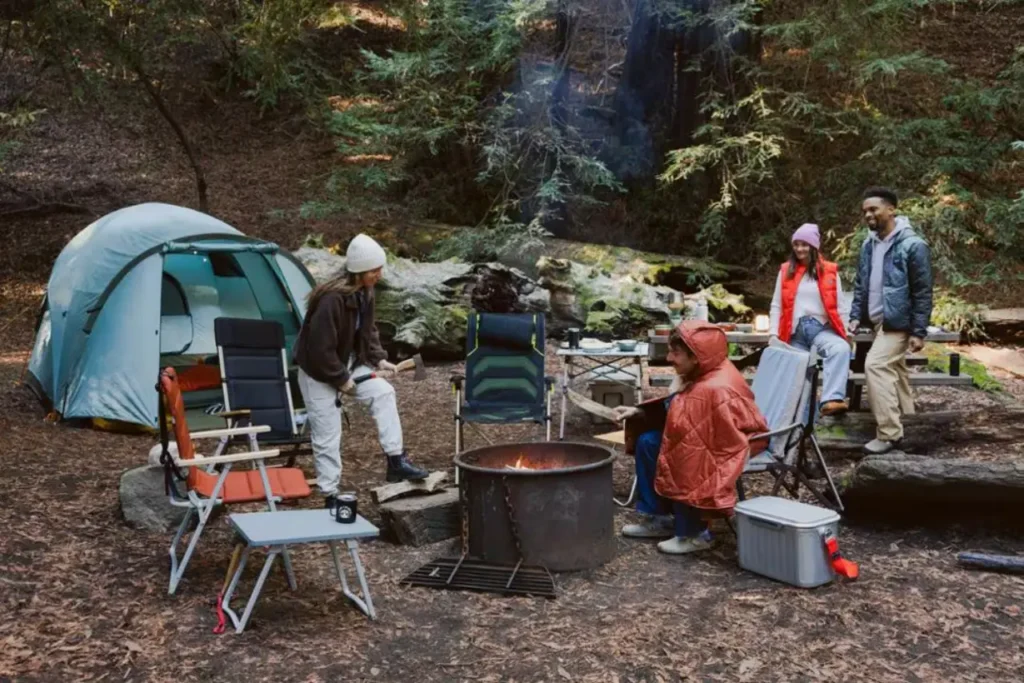
Clear storage bins help. A kitchen bin, a campsite bin, and a tools-and-safety bin are easier to manage than several loose bags filled with unrelated items.
1. The Campsite: Shelter & Comfort
A comfortable campsite begins with a dry tent, a warm sleep system, and a few simple items that make the space easier to live in.
The goal is not to create a luxury outdoor living room. The goal is to make bedtime, rainy weather, and early-morning routines feel manageable.
Essentials:
- Tent: Choose a tent with enough room for people, sleeping pads, and a reasonable amount of gear. A 6-person tent is often a comfortable starting point for a family of four.
- Tent Footprint or Tarp: Place it beneath the tent to protect the floor from abrasion and moisture. Fold any excess material underneath so rain cannot collect between the tarp and the tent floor.
- Tent Stakes: Bring the stakes that came with the tent plus a few extras.
- Guylines: Useful when the forecast includes wind or rain.
- Mallet or Hammer: Makes tent setup much easier on firm ground.
- Sleeping Bags: Check the temperature rating against the expected overnight lows.
- Sleeping Pads, Self-Inflating Pads, or Air Mattresses: Ground insulation matters as much as cushioning. Even mild evenings can feel cold when the body is resting directly above the ground.
- Pillows: Full-size pillows are perfectly reasonable for car camping. Packable camp pillows save space when the trunk is tight.
- Camp Chairs: Bring one comfortable chair for each person.
- Camp Table: Pack one if the campsite does not include a picnic table.
- Lantern: A lantern makes dinner, card games, and tent organization easier after dark.
- Headlamps: Give each family member a hands-free light for restroom trips and evening tasks.
A practical tent tip: Set the tent up at home before the first trip of the season. Confirm that the poles, stakes, guylines, rainfly, footprint, and repair sleeve are all present. A backyard practice run also makes campground setup much calmer when kids are hungry and daylight is fading.
For families comparing current tent options, look for a roomy 3-season model with weather protection, usable standing height, good ventilation, and a covered entry area. The REI Co-op Westward 6 Tent, for example, includes a 77-inch peak height, front and rear doors, and a large covered vestibule that can shelter gear or two camp chairs.
Browse family camping tents at REI to compare sizes, layouts, and current availability.
Nice-to-Haves:
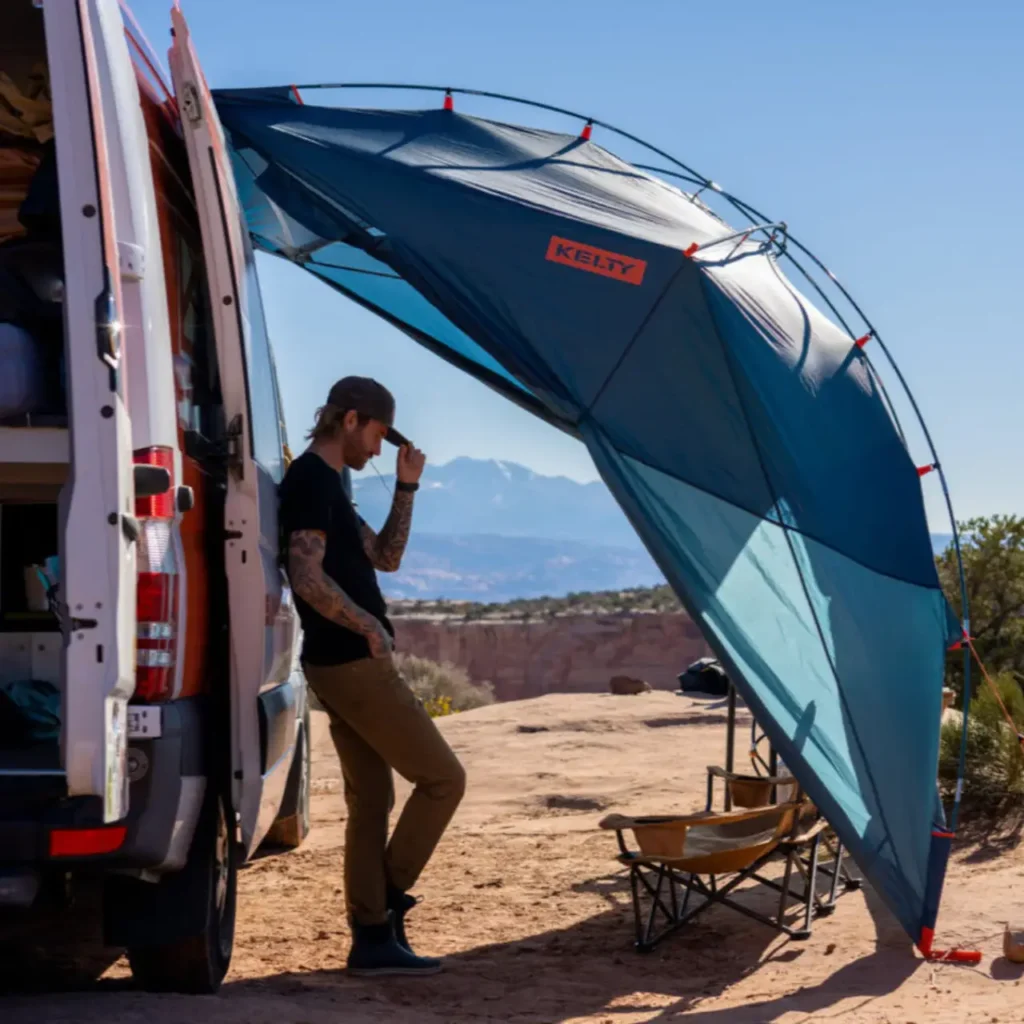
- Screen House or Camp Shelter: Helpful in buggy areas or when the forecast includes rain.
- Large Tarp and Extra Cord: Creates a shaded or rain-protected cooking area.
- Outdoor Mat: Place it outside the tent door to reduce dirt, sand, and pine needles inside.
- Dustpan and Brush: Surprisingly useful before packing up.
- Hammock: A comfortable spot for reading or quiet time.
- Extra Blanket: Useful around the campfire or as backup insulation on a colder-than-expected night.
- Earplugs: Helpful when the campground is busy or someone in the neighboring tent snores.
2. The Camp Kitchen: Cooking & Eating
The camp kitchen is where a little organization pays off quickly.
Dinner becomes much easier when the stove, utensils, ingredients, and cleanup supplies are packed together instead of scattered across the trunk. 🍳
For a first trip, keep meals simple. A few reliable breakfasts and easy dinners are better than an ambitious menu that requires too many pans, ingredients, and cleanup steps.
Essentials:
- Cooler: Use it for meat, dairy, drinks, fruit, and other perishables.
- Ice or Reusable Ice Packs: Block ice generally lasts longer, while cubed ice fills gaps around food and drinks.
- Camp Stove: A two-burner propane stove is a practical choice for most family car camping trips.
- Fuel: Confirm that the fuel matches the stove.
- Backup Lighter or Matches: Pack these even if the stove includes push-button ignition.
- Pot: Useful for pasta, oatmeal, soup, and boiling water.
- Frying Pan or Griddle: Useful for eggs, pancakes, quesadillas, and simple skillet meals.
- Cooking Utensils: Pack a spatula, large spoon, tongs, and a sharp knife with a protective cover.
- Cutting Board: A small board is enough for most campsite meals.
- Plates, Bowls, and Mugs: Reusable camp dishes are more durable and create less trash.
- Forks, Spoons, and Knives: Bring one set per person plus a few extras.
- Can Opener and Bottle Opener: Small, easy to forget, and frustrating to improvise.
- Water Jug: Even when campground water is available, a jug saves repeated walks to the spigot.
- Reusable Water Bottles: Bring one for each family member.
- Biodegradable Soap: Use sparingly and follow campground rules for grey-water disposal.
- Sponge or Scrub Pad
- Two Dish Bins: One for washing and one for rinsing.
- Trash Bags: Bring more than expected.
- Food-Storage Containers or Resealable Bags: Useful for leftovers and open ingredients.
- Paper Towels or Reusable Cleaning Cloths
- Aluminum Foil
- Coffee, Tea, or Hot Chocolate Supplies
A classic two-burner stove is hard to beat for a family campsite because it allows breakfast or dinner to cook in two pans at once. The Coleman Cascade Classic Camp Stove is a current example with two adjustable burners, wind guards, rotary ignition, and room for a 12-inch pan alongside a 10-inch pan.
Browse camp kitchen gear at REI to compare current stoves, cookware, coolers, and meal-prep accessories.
Meal Planning Tips:
- Prepare a written menu before grocery shopping.
- Chop vegetables and marinate meat at home.
- Pack ingredients by meal instead of by grocery category.
- Freeze selected items before the trip so they help keep the cooler cold.
- Place the first meal near the top of the cooler.
- Keep frequently used drinks in a separate cooler when space allows.
- Pack a few easy backup foods in case dinner plans change.
Easy Family Camping Meals:
- Breakfast burritos prepared at home and reheated at camp
- Pancakes with pre-measured dry ingredients
- Scrambled eggs and toast
- Grilled cheese sandwiches and soup
- Quesadillas with simple toppings
- Pasta with pre-made sauce
- Hot dogs or burgers
- Foil-packet vegetables
- Walking tacos
- S’mores around the campfire
Nice-to-Haves:
- Camp Coffee Maker: A French press, pour-over setup, or percolator makes slow mornings more enjoyable.
- Tablecloth: Makes a weathered picnic table easier to use.
- Tablecloth Clips: Useful when the afternoon breeze picks up.
- Roasting Sticks: Pack reusable sticks for hot dogs and marshmallows.
- Camp Kitchen Organizer: Keeps utensils, spices, and cooking tools easy to find.
- Small Folding Side Table: Useful near the stove.
- Food Thermometer: Helpful when cooking meat outdoors.
- Collapsible Water Container: Convenient when the water spigot is far from the site.
Leave No Trace guidance recommends packing out trash, leftover food, and litter rather than burning or leaving food scraps at the campsite.
3. Clothing & Footwear: Pack for Layers
Warm afternoons can turn into cool evenings quickly, especially in the mountains, near lakes, or during shoulder seasons.
Packing layers gives each person a simple way to adjust without bringing an entire closet. 🧥
Cotton may be comfortable around camp in dry weather, but it holds moisture and dries slowly. For hikes and unpredictable conditions, synthetic fabrics or wool are usually more practical.
The Layering System:
- Base Layer: A moisture-wicking shirt worn next to the skin.
- Mid Layer: A fleece, light puffy jacket, or insulated vest for warmth.
- Outer Layer: A rain jacket or weather-resistant shell for wind and rain.
Per-Person Clothing Checklist:
- Moisture-wicking shirts
- Pants or shorts
- Fleece jacket or light insulated layer
- Rain jacket
- Rain pants if wet weather is likely
- Underwear
- Extra socks
- Pajamas or comfortable sleepwear
- Hiking shoes or sturdy walking shoes
- Camp shoes, sandals, or slip-ons
- Sun hat
- Warm hat or beanie
- Swimsuit if needed
Kid-Specific Clothing Tips:
Kids have a talent for finding mud, water, dust, and spilled hot chocolate within the first hour of a trip.
Pack at least one additional full outfit per child. For toddlers and younger kids, an extra set of sleepwear is also worthwhile.
Store the final clean outfit in a resealable bag or packing cube so it stays dry until the drive home.
Nice-to-Haves:
- Lightweight gloves for cool mornings
- Water shoes for lakes or rocky shorelines
- Sunglasses
- Laundry bag for damp or dirty clothes
- Small clothesline and clothespins
- Waterproof boots for rainy weekends
4. Health & Safety: Be Prepared
Most family camping trips involve small problems rather than dramatic emergencies: scraped knees, splinters, blisters, bug bites, mild sunburn, or an unexpected headache.
A well-organized safety kit keeps those minor issues from disrupting the weekend.
Essentials:
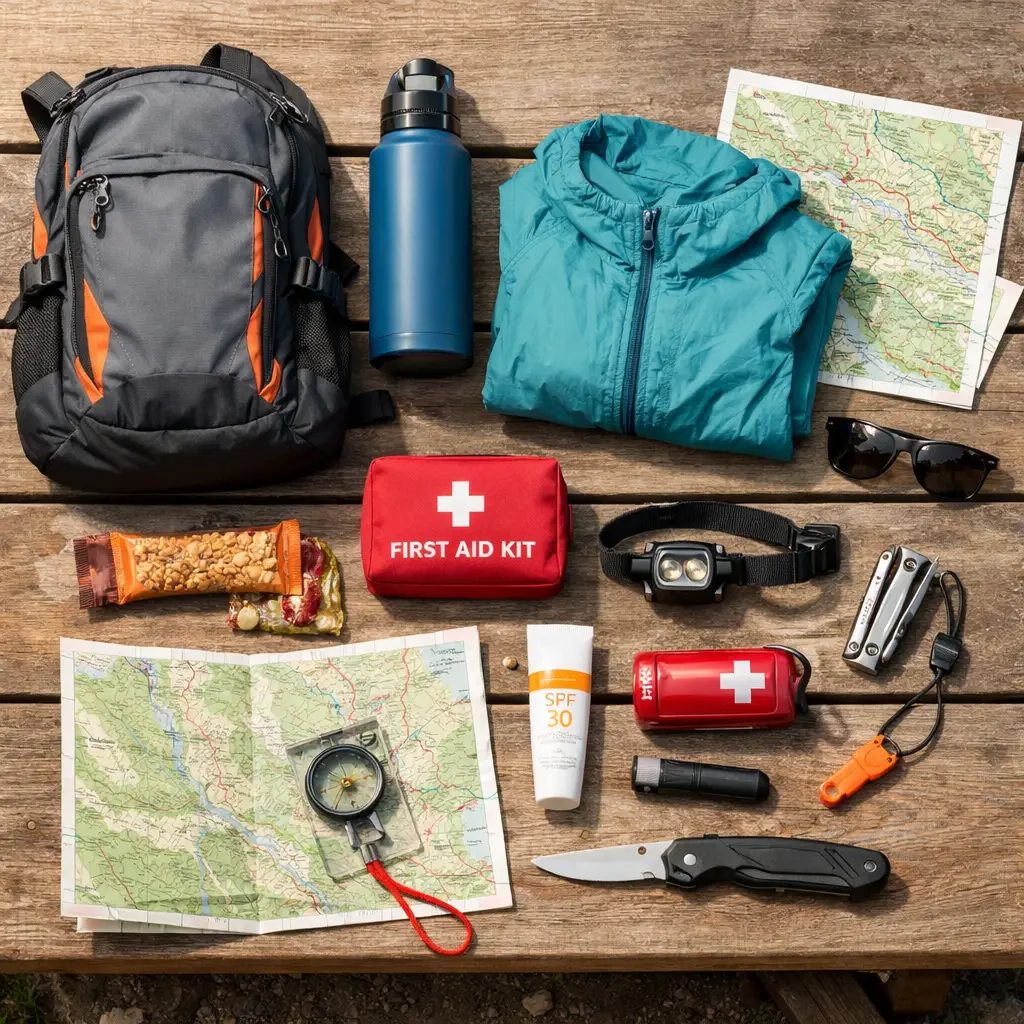
- First-Aid Kit: Start with a pre-packed outdoor kit, then personalize it for the family.
- Prescription Medications: Pack enough for the trip plus a small buffer when appropriate.
- Pain Relievers and Allergy Medication
- Bandages in Several Sizes
- Antiseptic Wipes
- Blister Care
- Tweezers
- Sunscreen
- Insect Repellent
- Headlamps or Flashlights
- Extra Batteries
- Emergency Contact Information: Write it down on paper in case a phone battery dies.
- Campsite Name and Number: Keep this information somewhere easy to access.
- Basic Repair Supplies: Duct tape, zip ties, cord, and a small multi-tool solve many campsite problems.
- Fire Extinguisher or Fire Blanket: Especially useful when cooking near the vehicle or beneath a shelter.
A ready-made kit is a good starting point, but family needs vary. Add personal medications, child-appropriate supplies, and anything commonly used at home. REI’s first-aid selection includes several current Adventure Medical Kits and HART Outdoor options for different group sizes and trip lengths.
Browse outdoor safety gear and first-aid kits at REI before the trip.
Insect Repellent Note: The CDC recommends using EPA-registered repellents and following the product label carefully. Common active ingredients include DEET, picaridin, IR3535, oil of lemon eucalyptus, PMD, and 2-undecanone. Products containing oil of lemon eucalyptus or PMD should not be used on children under three years old.
Nice-to-Haves:
- Bear Spray: Carry it only when appropriate for the destination and learn how to use it before the trip.
- Bear-Resistant Food Container: Needed in some areas without storage lockers.
- Water Filter or Purification Tablets: Helpful as a backup water option.
- Satellite Messenger or Personal Locator Beacon: Worth considering for remote sites without reliable cell service.
- Aloe Vera Gel
- Tick-Removal Tool
- Small Emergency Blanket
- Whistle
- Printed Map
- Portable Weather Radio
5. Personal Items & Toiletries
Toiletries are easy to overpack.
A small bathhouse caddy or zippered toiletry bag is usually enough for a campground weekend. Keep it near the top of the trunk so it is easy to find after arrival.
Essentials:
- Toothbrush and toothpaste
- Soap
- Quick-dry towels
- Toilet paper
- Hand sanitizer
- Feminine hygiene products
- Hairbrush
- Hair ties
- Prescription glasses or contact-lens supplies
- Small mirror if needed
Nice-to-Haves:
- Lip balm with SPF
- Wet wipes
- Camp shower
- Shower sandals
- Portable toilet for young children
- Small washcloth
- Moisturizer
- Earplugs
- Eye mask
A portable toilet can be especially helpful for families with younger kids. It reduces the need for late-night walks across a dark campground and can make primitive campsites much easier to manage.
6. Camp Life & Fun Stuff
A family campsite works best when it includes a few low-effort activities.
Kids do not need a trunk full of entertainment. A ball, a scavenger hunt, a deck of cards, and time to explore often go a long way. 🔦
Essentials:
- Daypack: Useful for carrying water, snacks, sunscreen, and layers on short walks.
- Camp Knife or Multi-Tool: Helpful for simple repairs and everyday campsite tasks.
- Phone
- Charging Cable
- Portable Power Bank
- Printed Campground Map or Screenshot: Useful when reception is unreliable.
Fun & Games:
- Deck of cards
- Travel board game
- Frisbee
- Ball
- Bocce set
- Books or magazines
- Binoculars
- Notebook and pen
- Stargazing app downloaded for offline use
- Portable Bluetooth speaker used quietly and respectfully
For the Kids:
- Favorite stuffed animal
- Glow sticks or clip-on lights
- Bubbles
- Coloring books and crayons
- Nature journal
- Magnifying glass
- Simple scavenger hunt list
- Small bucket and shovel for sandy areas
- Bikes and helmets when campground roads are appropriate
Leave No Trace principles encourage visitors to respect wildlife, minimize campfire impacts, dispose of waste properly, and remain considerate of other people sharing outdoor spaces.
Pro Packing Tips for a Smoother Trip
A long checklist helps. A smart packing system helps even more.
Use Clear Storage Bins
Organize gear into a few repeatable categories:
- Kitchen Bin: Cookware, utensils, soap, sponge, trash bags, foil, spices, and paper towels
- Campsite Bin: Lantern, headlamps, batteries, mallet, tarp, cord, outdoor mat, and repair supplies
- Safety Bin: First-aid kit, sunscreen, insect repellent, medications, and backup supplies
Clear bins make it easier to spot missing items before leaving home. They also reduce the amount of time spent searching through the trunk after dark.
Create a First-Out Bin
Pack the things needed immediately after arrival in one accessible place:
- Tent
- Tent stakes
- Mallet
- Footprint
- Headlamps
- Bug spray
- Water bottles
- Snacks
- Camp chairs
This prevents the classic campground problem of unloading half the car just to find the mallet.
Keep One Outfit Easy to Reach
Pack a dry change of clothes for each child near the top of the trunk.
This is especially useful when someone steps into a puddle, spills a drink, or gets car sick before the tent is even set up.
Prep Meals at Home
The campsite is a better place for relaxing than chopping onions.
Wash produce, portion ingredients, pre-cook selected meals, and label containers before leaving home. This reduces dishes and makes dinner easier when daylight is fading.
Take a Photo Before Packing Up
Once the campsite is arranged, take a quick photo of the setup.
The picture makes it easier to remember which items were useful and how everything fit into the vehicle. After a few trips, the family camping system becomes much more efficient.
Store a Master Checklist With the Gear
After the trip, update the list while the details are fresh.
Remove items that were unnecessary. Add anything that was missed. Store the final version inside the main camping bin for the next weekend outside.
Your Printable Family Camping Checklist
Screenshot this section or print it before packing.
Reservation & Planning
- Campground reservation confirmation
- Campsite number
- Directions or offline map
- Weather forecast checked
- Campground rules reviewed
- Food-storage rules reviewed
- Fire restrictions reviewed
- Emergency contacts written down
Shelter & Sleep
- Tent
- Tent footprint or tarp
- Rainfly
- Tent poles
- Stakes
- Extra stakes
- Guylines
- Mallet or hammer
- Sleeping bags
- Sleeping pads or air mattresses
- Pump if needed
- Pillows
- Extra blanket
- Camp chairs
- Camp table if needed
- Lantern
- Outdoor mat
- Dustpan and brush
Camp Kitchen
- Cooler
- Ice or reusable ice packs
- Camp stove
- Fuel
- Lighter or matches
- Pot
- Frying pan or griddle
- Cooking utensils
- Cutting board
- Knife with protective cover
- Plates
- Bowls
- Mugs
- Forks, spoons, and knives
- Can opener
- Bottle opener
- Water jug
- Water bottles
- Food-storage containers
- Resealable bags
- Aluminum foil
- Trash bags
- Biodegradable soap
- Sponge
- Two dish bins
- Cleaning cloths or paper towels
- Tablecloth
- Coffee, tea, or hot chocolate supplies
- Food
- Snacks
- Roasting sticks
Clothing & Footwear Per Person
- Shirts
- Pants or shorts
- Underwear
- Extra socks
- Fleece or insulated layer
- Rain jacket
- Rain pants if needed
- Sleepwear
- Hiking shoes or sturdy walking shoes
- Camp shoes or sandals
- Sun hat
- Warm hat
- Swimsuit if needed
- Extra outfit for each child
Health & Safety
- First-aid kit
- Prescription medications
- Pain reliever
- Allergy medication
- Blister care
- Sunscreen
- Insect repellent
- Tick-removal tool or tweezers
- Headlamp for each person
- Flashlight
- Extra batteries
- Fire extinguisher or fire blanket
- Duct tape
- Zip ties
- Cord
- Multi-tool
- Printed map
- Bear-safety items if required
- Water filter or purification tablets if needed
Personal Items
- Toothbrush and toothpaste
- Soap
- Quick-dry towels
- Toilet paper
- Hand sanitizer
- Wet wipes
- Feminine hygiene products
- Hairbrush and hair ties
- Lip balm with SPF
- Shower sandals
- Portable toilet if needed
- Glasses or contact-lens supplies
Camp Life & Fun
- Daypack
- Phone
- Charging cables
- Power bank
- Cards or travel board games
- Books
- Ball or Frisbee
- Binoculars
- Notebook and pen
- Stuffed animal or comfort item
- Glow sticks or clip-on lights
- Coloring supplies
- Nature scavenger hunt
- Bikes and helmets if needed
Final Thoughts: Pack Less Stress and More Time Outside
The best family camping packing list is not the longest one.
It is the list that prevents the avoidable problems: cold sleepers, missing tent stakes, forgotten stove fuel, hungry kids, wet clothes, dead flashlights, and a cooler full of food with no can opener.
Start with the essentials. Add comfort items that genuinely make the campsite easier to enjoy. Skip gear that creates more clutter than value.
After a few trips, the packing routine becomes simpler. The clear bins stay organized. The camp kitchen becomes familiar. Everyone knows where the headlamps belong.
That leaves more time for the parts of family camping that are worth remembering: slow breakfasts outside, an easy trail before lunch, marshmallows near the fire, and a quiet tent after a full day outdoors. ✨
Frequently Asked Questions (FAQ)
What is the number one thing people forget when camping?
Small utility items are usually the easiest to forget. A can opener, lighter, backup stove fuel, trash bags, extra batteries, and a headlamp can all become surprisingly important once the campsite is set up.
Use a permanent kitchen bin and safety bin whenever possible. Leaving the basics stored together between trips reduces last-minute packing mistakes.
How much water should a family bring camping?
The amount depends on the weather, activity level, campsite facilities, and whether potable water is available.
At a developed campground, bring reusable water bottles plus a large jug for drinking, cooking, and basic campsite needs. At a primitive site, calculate water needs more carefully and pack extra capacity. Confirm whether the listed campground water source is potable before relying on it.
How can a cooler stay cold longer?
Pre-chill the cooler before packing it. Chill drinks and food at home rather than placing warm groceries directly into the cooler.
Use a combination of block ice or frozen containers for longer-lasting cold and cubed ice to fill gaps. Pack the cooler tightly, keep it shaded, and limit how often it is opened.
A separate drink cooler can help because kids and adults often open it repeatedly throughout the day.
What size tent is best for a family of four?
A 6-person tent is usually a comfortable choice for a family of four during car camping trips.
Tent capacity ratings tend to describe how many sleeping pads can fit on the floor, not how spacious the tent will feel once duffel bags, blankets, and kids’ gear are inside. A little extra room makes changing clothes, organizing gear, and handling rainy weather much easier.
Should kids have their own sleeping bags?
Yes. Each child should have a sleeping bag or sleep system appropriate for the expected overnight temperature.
The sleeping pad matters too. It adds cushioning and helps insulate the sleeper from the ground. A warm sleeping bag on top of an inadequate mattress can still lead to a cold and uncomfortable night.
What are some easy kid-friendly camping meals?
Simple meals usually work best:
- Breakfast burritos
- Pancakes
- Quesadillas
- Hot dogs
- Burgers
- Pasta with pre-made sauce
- Walking tacos
- Grilled cheese sandwiches
- Foil-packet vegetables
- S’mores
Prepare ingredients at home whenever possible. Campsite meals are easier when most of the slicing, mixing, and measuring is already finished.
Is a portable toilet worth bringing for family camping?
It can be extremely useful for families with younger children, especially at primitive campsites or during late-night bathroom trips.
At a developed campground with nearby restrooms, it may not be necessary. Check the campsite map before deciding.
Does a family need a camp stove if the campsite has a fire ring?
A camp stove is still worth bringing.
Campfire restrictions can change, wet weather can make fires difficult, and cooking over a fire takes more time and attention. A stove offers a predictable way to prepare breakfast, boil water, and cook dinner even when a campfire is unavailable.
Affiliate Disclosure: GearForTheOutdoors.com participates in affiliate programs, including REI, Amazon, REI Outlet, Garage Grown Gear, evo, and other trusted partners. When you purchase through our links, we may earn a small commission at no extra cost to you. That helps support our content and keeps our recommendations useful, practical, and free.
Disclaimer: This post is for informational purposes only. Always verify current product details, fit, availability, safety information, and manufacturer warranties before purchase or use. Outdoor conditions and gear performance can vary depending on setup, weather, terrain, and experience level.