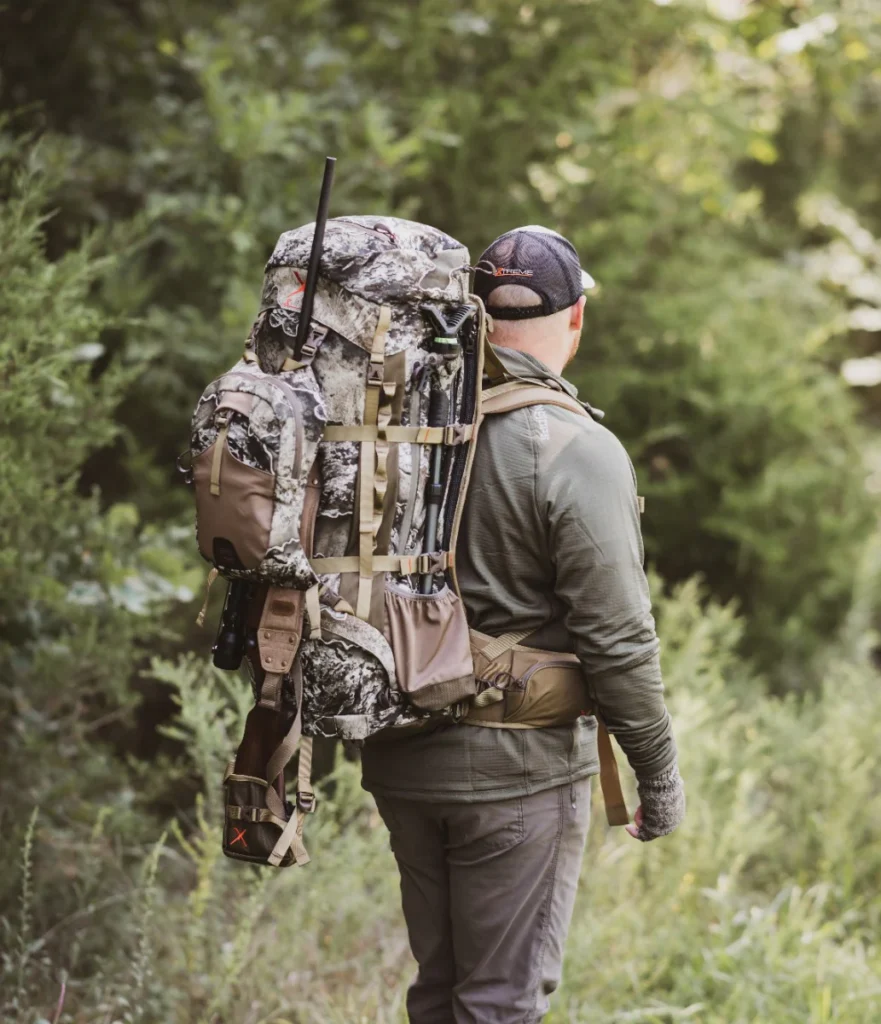
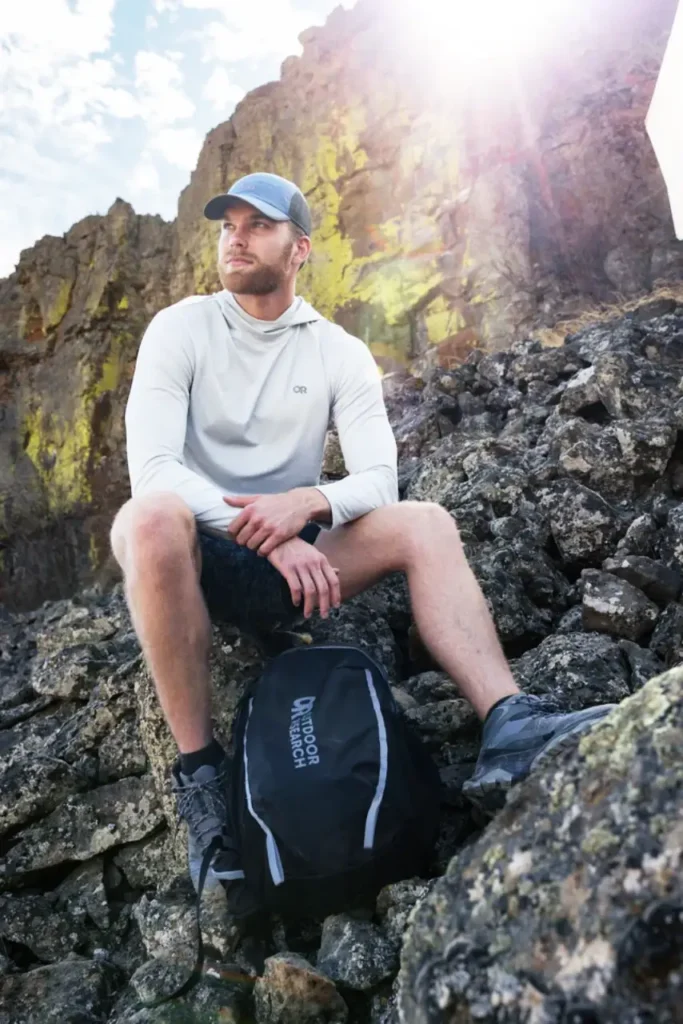
Hot-weather hiking can turn simple sun exposure into the most exhausting part of the day. The trail may be mellow, the views may be wide open, and the miles may look easy on paper—but after a few hours of direct sun on your neck, shoulders, ears, and arms, comfort can disappear fast.
That’s where a good sun hoodie earns its space in a hiking kit. Instead of relying only on repeated layers of sunscreen, a sun hoodie gives steady coverage with lightweight, breathable fabric that moves moisture away from the skin and creates a little shade wherever the trail goes. ☀️
The best sun hoodies for hiking in hot weather feel soft, dry quickly, protect well, and do not make the day feel hotter than it already is. The right one can work for desert trails, exposed ridgelines, humid summer hikes, alpine approaches, river trips, backpacking, travel, and even casual camp days.
This guide focuses on sun hoodies that make sense for real hikers: practical layers with useful coverage, breathable fabrics, and enough comfort to wear for long days under a pack.
Top Picks at a Glance
| Product | Best For | Material | UPF Rating |
|---|---|---|---|
| REI Co-op Sahara Shade Hoodie | Best Value & Everyday Hiking | Stretch-knit synthetic fabric | 50+ |
| Patagonia Capilene Cool Daily Hoody | Best All-Around Versatility | Recycled polyester | 50+ |
| Outdoor Research Echo Hoodie | Ultralight Breathability | 100% recycled polyester | 15 light colors / 20 dark colors |
| Mountain Hardwear Crater Lake Hoody | Ultimate Comfort | 88% polyester, 12% elastane | 50+ |
| Smartwool Merino Sun Hoodie | Odor Resistance & Natural Feel | Merino wool with recycled nylon core | 40+ |
| Black Diamond Alpenglow Hoody | Durability & Scrambling | Polyester / elastane blend | 50+ |
| Cotopaxi Sombra Sun Hoodie | Style & Trail-to-Travel Use | 100% recycled polyester | 50+ |
In-Depth Sun Hoodie Reviews
The best sun hoodie is not always the one with the highest UPF number. For hiking in hot weather, the sweet spot is a balance of coverage, airflow, moisture management, fit, and comfort under a backpack.
Some hikers need maximum UPF protection for high-altitude routes and long desert days. Others need the lightest, airiest layer possible for humid trails where sweat never seems to dry. A few want something that can handle scrambling, climbing, and repeated contact with rough rock.
The picks below cover those different needs without turning the decision into a gear rabbit hole. 🌲
REI Co-op Sahara Shade Hoodie
Best Value & Everyday Hiking
The REI Co-op Sahara Shade Hoodie is one of the easiest sun hoodies to recommend because it solves the problem most hikers actually have: needing reliable sun protection, comfortable fabric, and a fair price in one simple layer.
It uses a soft, stretchy technical knit that wicks moisture, dries quickly, and provides UPF 50+ sun protection. That makes it especially useful for long summer hikes, exposed lakeshore trails, desert walks, and travel days when sun coverage matters but bulky layers feel annoying.
The fit is slightly relaxed, which helps with airflow. That small bit of room between the fabric and skin can make a noticeable difference when temperatures rise and the trail opens into direct sun. The hood adds coverage around the neck and ears, and thumbholes help protect the backs of the hands—one of the easiest places to forget sunscreen.
This is not the most technical or ultralight sun hoodie available, but that is part of the appeal. It is simple, comfortable, durable enough for regular use, and less expensive than many premium options. For most day hikers, beginner hikers, car campers, and warm-weather travelers, it hits a very practical balance.
- Materials: Stretch-knit synthetic fabric
- UPF Rating: 50+
- Odor Control: No dedicated treatment listed
- Key Features: UPF 50+ coverage, moisture-wicking fabric, thumbholes, relaxed fit
| Pros | Cons |
| Excellent UPF 50+ protection | Not as airy as the lightest ultralight hoodies |
| Great value for regular hikers | Less premium feel than higher-end options |
| Comfortable relaxed fit supports airflow | Limited technical features |
| Thumbholes add useful hand coverage | Can feel warm during very high-output efforts |
Bottom Line: For hikers who want dependable sun protection without overthinking the purchase, the REI Co-op Sahara Shade Hoodie is one of the most practical choices on the trail.
Patagonia Capilene Cool Daily Hoody
Best All-Around Versatility
The Patagonia Capilene Cool Daily Hoody has long been a favorite because it feels good almost anywhere: hiking, paddling, camping, travel, running errands after a trail day, or wearing as a light base layer when the weather cools off.
The fabric is soft, smooth, and quick-drying, with a clean feel that works well against the skin. It does not have the gauzy openness of the Outdoor Research Echo or the plush stretch of the Mountain Hardwear Crater Lake, but it lands in a dependable middle ground: light enough for warm weather, polished enough for travel, and versatile enough to use far beyond hiking.
For hikers who want one sun hoodie that can cover trail days, river trips, beach walks, and casual travel, this is the kind of layer that quietly gets used all the time. It has a regular fit that is not overly slim, and the hood fits comfortably over a cap for extra face and neck shade. 🧢
The biggest reason to choose it is versatility. The biggest reason to skip it is feature preference. Some versions are very minimalist, and hikers who want thumbholes, a zip pocket, or extra hand coverage may prefer the REI Sahara Shade, Mountain Hardwear Crater Lake, or Cotopaxi Sombra.
- Materials: Recycled polyester
- UPF Rating: 50+
- Odor Control: Odor-control finish varies by version
- Key Features: Soft fabric, quick-drying performance, clean design, strong everyday versatility
| Pros | Cons |
| Excellent comfort for trail and travel | Some versions lack thumbholes |
| Strong UPF protection | Less breathable than ultralight mesh-like options |
| Quick-drying and easy to pack | Minimalist design may feel too simple |
| Works well as a warm-weather layer or base layer | Availability can vary by version, color, and season |
Bottom Line: For a soft, do-it-all sun hoodie that feels just as natural on a trail as it does on a road trip, the Patagonia Capilene Cool Daily Hoody remains a highly versatile pick.
Outdoor Research Echo Hoodie
Best for Ultralight Breathability
The Outdoor Research Echo Hoodie is built for hikers who run hot, move fast, or regularly deal with humidity. It is one of the airiest sun hoodies in this category, with a featherlight feel that makes long sleeves far more tolerable in steamy conditions.
The fabric is thin, breathable, quick-drying, and easy to pack. On hot climbs, muggy forest trails, or desert mornings that heat up quickly, the Echo feels less like a shirt and more like a light veil of coverage. That makes it especially good for trail running, fast hiking, backpacking in humid weather, and anyone who hates the clingy feeling of heavier sun shirts.
The trade-off is sun protection. The Echo has a lower UPF rating than most sun hoodies in this guide: UPF 15 in lighter colors and UPF 20 in darker colors. That still offers useful protection, but it is not the best choice for very fair skin, glacier travel, high-altitude exposure, long water days, or desert routes where shade is almost nonexistent.
Fit is also worth noting. The Echo tends to feel athletic and trim compared with roomier sun hoodies. That can be great for high-output movement, but hikers who prefer airflow from a looser cut may want to size carefully.
- Materials: 100% recycled polyester
- UPF Rating: 15 light colors / 20 dark colors
- Odor Control: ActiveFresh™
- Key Features: Ultralight fabric, excellent breathability, fast drying, thumbholes, drop-tail hem
| Pros | Cons |
| Best-in-class breathability | Lower UPF rating than most competitors |
| Extremely light and packable | Thin fabric can snag more easily |
| Dries very fast after sweat or washing | Athletic fit may feel too trim |
| Excellent for humid and high-output hiking | Not ideal for maximum sun exposure |
Bottom Line: For hot, sweaty hiking where airflow matters more than maximum UPF, the Outdoor Research Echo Hoodie is one of the coolest-feeling options available.
Mountain Hardwear Crater Lake Hoody
Best for Ultimate Comfort
The Mountain Hardwear Crater Lake Hoody is the sun hoodie to choose when next-to-skin comfort matters most. It feels soft, smooth, stretchy, and easy to wear for hours, especially for hikers who dislike rough seams, stiff fabrics, or slick technical shirts.
The Crater Lake uses a lightweight polyester/elastane fabric with UPF 50+ protection and a generous hood. It has enough stretch to move naturally with the body, whether reaching for trekking poles, scrambling over a few rocks, setting up camp, or wearing it under backpack straps.
This hoodie shines on long, steady hiking days. It is protective enough for exposed terrain and comfortable enough for breaks, campsite chores, and travel. The fabric has more drape and softness than many technical sun shirts, which makes it feel less like performance gear and more like a favorite lightweight layer.
It is not the absolute coolest option in extreme humidity, and it is not as abrasion-focused as the Black Diamond Alpenglow. But for hikers who want reliable UPF protection with a very soft feel, the Crater Lake is hard to beat. 🌄
- Materials: 88% polyester, 12% elastane
- UPF Rating: 50+
- Odor Control: No dedicated treatment listed
- Key Features: Soft stretch fabric, full-coverage hood, UPF 50+ protection, comfortable drape
| Pros | Cons |
| Excellent next-to-skin softness | Can feel warmer than ultralight options |
| Strong UPF 50+ protection | No dedicated odor-control treatment |
| Stretchy and easy to move in | Not the most rugged option for rough rock |
| Great for sensitive skin and long wear | Minimalist feature set depending on version |
Bottom Line: When comfort is the top priority, the Mountain Hardwear Crater Lake Hoody is one of the most pleasant sun hoodies to wear all day.
Smartwool Merino Sun Hoodie
Best for Odor Resistance & Natural Feel
The Smartwool Merino Sun Hoodie is a strong pick for hikers who want sun protection with the natural benefits of merino wool. It feels different from a synthetic hoodie: softer in a warmer, more natural way, better at resisting odor, and more comfortable across changing temperatures.
Merino wool is especially useful on backpacking trips, travel-heavy adventures, and multi-day routes where laundry is limited. A synthetic sun hoodie can start to smell after one hard day. A merino layer usually stays fresher longer, which makes a real difference when the same shirt gets worn from trailhead to campsite to the next morning’s climb.
This updated sun-focused Smartwool option uses lightweight merino jersey with a recycled nylon core, designed to improve durability while keeping merino wool next to the skin. It also offers UPF 40+ protection, a large hood, thumbholes, and offset shoulder seams to reduce rubbing under a pack.
The trade-offs are typical for wool layers. It costs more, dries slower than pure polyester, and may not be as abrasion-resistant as a thicker synthetic hoodie. For fast-and-light hiking in very humid conditions, the Outdoor Research Echo will feel cooler. For multi-day comfort and odor resistance, the Smartwool is the better companion.
- Materials: Merino wool with recycled nylon core
- UPF Rating: 40+
- Odor Control: Natural odor resistance from merino wool
- Key Features: Merino comfort, thumbholes, large hood, offset shoulder seams
| Pros | Cons |
| Excellent natural odor resistance | More expensive than most synthetic options |
| Comfortable across changing temperatures | Dries slower than polyester |
| Softer natural feel than many technical knits | Requires a little more care |
| Good seam placement for backpack use | Not as airy as ultralight synthetic hoodies |
Bottom Line: For backpackers, travelers, and hikers who want a sun hoodie that stays fresher longer, the Smartwool Merino Sun Hoodie is a smart upgrade.
Black Diamond Alpenglow Hoody
Best for Durability & Scrambling
The Black Diamond Alpenglow Hoody is built for exposed terrain where a standard hiking shirt may feel too delicate. It is a natural fit for climbers, scramblers, peak baggers, desert hikers, and anyone who expects brush, rock, and rough surfaces along the route.
Compared with ultralight sun hoodies, the Alpenglow has a more substantial feel. The fabric offers stretch, mobility, and abrasion resistance while still providing UPF 50+ protection. That makes it a better match for routes where hands touch rock, packs shift against shoulders, and layers need to hold up to more than smooth trail walking.
Black Diamond’s BD.cool™ technology is designed to reflect infrared radiation and help the fabric feel cooler in direct sun. The effect will not feel like air conditioning, but on long exposed approaches, small comfort gains matter. Underarm gussets help with mobility, and the hood works well for climbers who need coverage around a helmet.
For casual summer hiking, it may be more hoodie than necessary. It is heavier and warmer than the Echo, Sahara Shade, or Patagonia Capilene Cool Daily. But when durability matters, the Alpenglow earns its place. 🧗
- Materials: Polyester / elastane blend
- UPF Rating: 50+
- Odor Control: Polygiene®
- Key Features: BD.cool™ technology, durable stretch fabric, helmet-compatible hood, underarm gussets
| Pros | Cons |
| Durable enough for rougher terrain | Heavier than ultralight sun hoodies |
| Excellent UPF 50+ protection | Warmer during high-output hiking |
| Great mobility for scrambling and climbing | More expensive than basic options |
| Odor-control treatment helps on longer trips | Technical fit may be more than casual hikers need |
Bottom Line: When the hike includes rock, scrambling, or exposed approaches, the Black Diamond Alpenglow Hoody offers protective coverage with better durability than most lightweight sun shirts.
Cotopaxi Sombra Sun Hoodie
Best for Style & Trail-to-Travel Use
The Cotopaxi Sombra Sun Hoodie is a good choice for hikers who want sun protection that does not look overly technical. It has the bright, recognizable Cotopaxi style, but it still brings the practical details needed for hiking: UPF 50+ coverage, recycled polyester fabric, a scuba-style hood, and thumbholes.
The Sombra feels relaxed and easygoing. That makes it great for casual hikes, road trips, national park days, travel, campsite lounging, and warm-weather walks where comfort and coverage matter more than ultralight performance.
The scuba-style hood is especially useful because it gives good coverage around the neck and sides of the face. Thumbholes help keep sleeves in place and protect the backs of the hands, which is a small detail that becomes more important after several hours of direct sun.
The relaxed fit is comfortable, but it may feel loose during faster hiking or trail running. The fabric also is not as breathable as the Outdoor Research Echo. But for everyday hikers who want a fun, protective layer that works beyond the trail, the Sombra makes a lot of sense.
- Materials: 100% recycled polyester
- UPF Rating: 50+
- Odor Control: Polygiene®
- Key Features: Color-block style, scuba hood, thumbholes, recycled fabric
| Pros | Cons |
| Strong UPF 50+ protection | Relaxed fit may feel baggy for fast hiking |
| Fun style for trail and travel | Not as airy as ultralight options |
| Thumbholes and scuba hood improve coverage | Bright colors may not suit everyone |
| Recycled polyester fabric | Availability can vary by size and color |
Bottom Line: For hikers who want sun protection with a little personality, the Cotopaxi Sombra Sun Hoodie is a comfortable trail-to-travel option.
How to Choose the Best Sun Hoodie: A Buyer’s Guide
A sun hoodie looks simple, but small differences in fabric, fit, UPF rating, and features can change how it feels on the trail. The best choice depends on where the hoodie will be used most often.
A desert hiker may want UPF 50+ and full hand coverage. A humid-weather hiker may prefer the lightest, most breathable layer possible. A backpacker may care most about odor resistance. A climber or scrambler may need better durability. 🌵
UPF Rating: Your Built-In Sunscreen
UPF stands for Ultraviolet Protection Factor. It measures how much UVA and UVB radiation passes through fabric to reach the skin.
A UPF 50 rating blocks about 98% of UV radiation. UPF 40 blocks about 97.5%. Lower ratings can still be useful, especially when the fabric is extremely breathable, but they offer less protection during long exposure.
- UPF 15–25: Good baseline protection, often found in the lightest and most breathable sun hoodies.
- UPF 30–45: Strong all-around protection for most warm-weather hiking.
- UPF 50+: Maximum common rating for sun-protective apparel and the best choice for high-altitude hiking, desert routes, water trips, snowfields, and sensitive skin.
For long, exposed hikes, UPF 50+ is the safest default. For humid, shaded, high-output hikes, a lower-UPF but more breathable hoodie can still make sense—especially when paired with sunscreen on exposed areas.
Material & Fabric Weight
The fabric determines how a sun hoodie feels once the day gets hot.
Synthetic fabrics like polyester and nylon are the most common. They dry quickly, wick sweat well, and tend to be more durable than wool blends. Many synthetic hoodies also cost less. The downside is odor: after a hard day of sweating, synthetic shirts can get funky unless they include an odor-control treatment.
Merino wool blends offer a more natural feel and better odor resistance. They are great for backpacking, travel, and multi-day use. They also regulate temperature well, which helps when mornings are cool and afternoons are hot. The trade-off is that merino usually costs more, dries slower, and may be less durable than synthetic fabric.
Fabric weight matters, too. A thin, open-knit fabric like the Outdoor Research Echo feels much cooler in humidity, while a denser UPF 50+ fabric may provide stronger sun protection but feel warmer during steep climbs.
Breathability & Wicking
Breathability and wicking work together, but they are not the same thing.
Wicking means the fabric pulls sweat away from the skin. Breathability means the fabric allows moisture and heat to escape. A hoodie can wick well but still feel warm if the fabric does not breathe enough.
For hot-weather hiking, breathability is often the difference between wearing the hoodie all day and pushing the sleeves up after the first climb. Look for lightweight fabrics, relaxed fits, and quick-drying materials if heat and sweat are the biggest concerns.
In dry climates, a sun hoodie can feel surprisingly cooling because sweat evaporates quickly from the fabric. In humid climates, evaporation slows down, so the lightest and airiest options usually feel best.
Fit and Features
Fit matters more than many hikers expect. A sun hoodie should not feel skin-tight. A little room helps air move between the fabric and skin, improving comfort in hot weather.
A trim fit can be useful for running, layering, and fast hiking, but it may feel warmer in direct sun. A relaxed fit usually feels better for casual hiking, backpacking, paddling, and travel.
Key features to look for:
- A protective hood: It should cover the neck and ears and fit comfortably over a baseball cap.
- Thumbholes or thumb loops: These help cover the backs of the hands and keep sleeves in place.
- Drop-tail hem: Extra coverage in the back helps when bending, scrambling, or wearing a pack.
- Flat seams: Better comfort under backpack straps.
- Quarter zip: Adds ventilation but may increase weight and complexity.
- Chest or side pocket: Useful for small items, but not essential.
For most hikers, a hood that works with a cap and sleeves that cover the hands are the two most useful details.
Who Should Choose a Sun Hoodie?
A sun hoodie makes the most sense for hikers who spend long periods outside in direct sun. It is especially useful for:
- Desert hiking
- Alpine hiking
- Long day hikes
- Backpacking
- River trips
- Paddle camping
- National park travel
- Hot-weather camping
- High-elevation trails
- Hikers who dislike reapplying sunscreen constantly
A sun hoodie is also useful for anyone with sensitive skin or a history of sunburn. It does not replace sunscreen everywhere, but it reduces how much exposed skin needs constant attention.
Who Should Skip a Sun Hoodie?
A sun hoodie may not be the best option for every hike. Some people prefer short sleeves in dense forest, during very short walks, or in hot and humid places where even thin long sleeves feel uncomfortable.
A sun hoodie also will not protect uncovered skin. Face, lips, neck gaps, wrists, and hands may still need sunscreen depending on the hoodie design and how it is worn. Sunglasses and a brimmed hat are still important for exposed trails.
If a hoodie feels too warm, try a lighter color, looser fit, thinner fabric, or a model with lower fabric density. The right sun hoodie should make sun protection easier—not feel like another problem to manage.
Frequently Asked Questions
Are sun hoodies actually cooler than a t-shirt?
Often, yes. A lightweight sun hoodie blocks direct sun from hitting the skin, which can reduce that hot, baking feeling on the shoulders and arms. Technical fabric also spreads sweat across the material so it can evaporate more efficiently.
That said, the hoodie has to be breathable. A thick or poorly ventilated hoodie can feel warmer than a t-shirt, especially in humidity. For the coolest feel, choose a light color, lightweight fabric, and a fit with enough room for airflow.
Do sun hoodies replace sunscreen?
No. A sun hoodie only protects the skin it covers. Sunscreen is still needed on exposed areas like the face, nose, lips, neck, ears, and hands if the hoodie does not cover them fully.
A brimmed hat, sunglasses, and SPF lip balm are also smart additions for exposed trails.
What UPF rating is best for hiking?
UPF 50+ is the best choice for maximum protection, especially for desert hiking, high-altitude trails, long water days, snow travel, and sensitive skin.
UPF 30–45 is still very good for most hiking. UPF 15–25 can work when breathability is the top priority, but it is less protective during long exposure.
Is a darker sun hoodie better than a lighter one?
Darker colors often provide more UV protection, but they can also feel hotter in direct sun. Lighter colors usually feel cooler because they reflect more sunlight, but some lightweight fabrics may have lower UPF ratings in pale colors.
For very hot exposed hikes, a light-colored hoodie with a high UPF rating is usually the most comfortable balance.
How should a sun hoodie fit?
A sun hoodie should have enough room to let air move, but not so much fabric that it feels sloppy or gets in the way. A regular or slightly relaxed fit works best for most hikers.
Fast hikers and trail runners may prefer a trim athletic fit. Backpackers and casual hikers often prefer a little more room for comfort and ventilation.
Can a sun hoodie be used as a base layer?
Yes. Many sun hoodies work well as lightweight base layers in cool weather because they wick moisture and feel comfortable under fleece, wind shells, and rain jackets.
Merino options are especially useful in cooler conditions because they regulate temperature well and resist odor on multi-day trips.
Are thumbholes worth it?
Yes, especially for long sunny hikes. The backs of the hands get a lot of sun exposure and are easy to miss with sunscreen. Thumbholes help keep sleeves extended and add simple, reliable coverage.
They also help sleeves stay in place when using trekking poles, wearing gloves, or putting on another layer.
Final Verdict
A good sun hoodie is one of the most useful warm-weather hiking layers because it makes sun protection simple. Instead of stopping repeatedly to reapply sunscreen to arms, shoulders, neck, and upper back, a hoodie provides steady coverage that moves with the body.
For most hikers, the REI Co-op Sahara Shade Hoodie is the best value pick. It offers UPF 50+ protection, a comfortable fit, useful thumbholes, and a price that makes sense for regular trail use.
For a polished all-around layer, the Patagonia Capilene Cool Daily Hoody remains a versatile favorite. For the hottest and sweatiest hikes, the Outdoor Research Echo Hoodie is the most breathable choice, as long as its lower UPF rating fits the conditions. For maximum comfort, the Mountain Hardwear Crater Lake Hoody is hard to beat.
Choosing from the best sun hoodies for hiking in hot weather comes down to knowing where and how the hoodie will be used. Prioritize UPF 50+ for harsh exposure, ultralight breathability for humidity and high-output hikes, merino for multi-day odor resistance, and durable stretch fabric for scrambling or climbing.
The right sun hoodie makes long sunny miles feel simpler, cooler, and more comfortable—exactly what a good hiking layer should do.
Affiliate Disclosure: GearForTheOutdoors.com participates in affiliate programs, including REI, Amazon, REI Outlet, Garage Grown Gear, evo, and other trusted partners. When you purchase through our links, we may earn a small commission at no extra cost to you. That helps support our content and keeps our recommendations useful, practical, and free.
Disclaimer: This post is for informational purposes only. Always verify current product details, fit, availability, safety information, and manufacturer warranties before purchase or use. Outdoor conditions and gear performance can vary depending on setup, weather, terrain, and experience level.