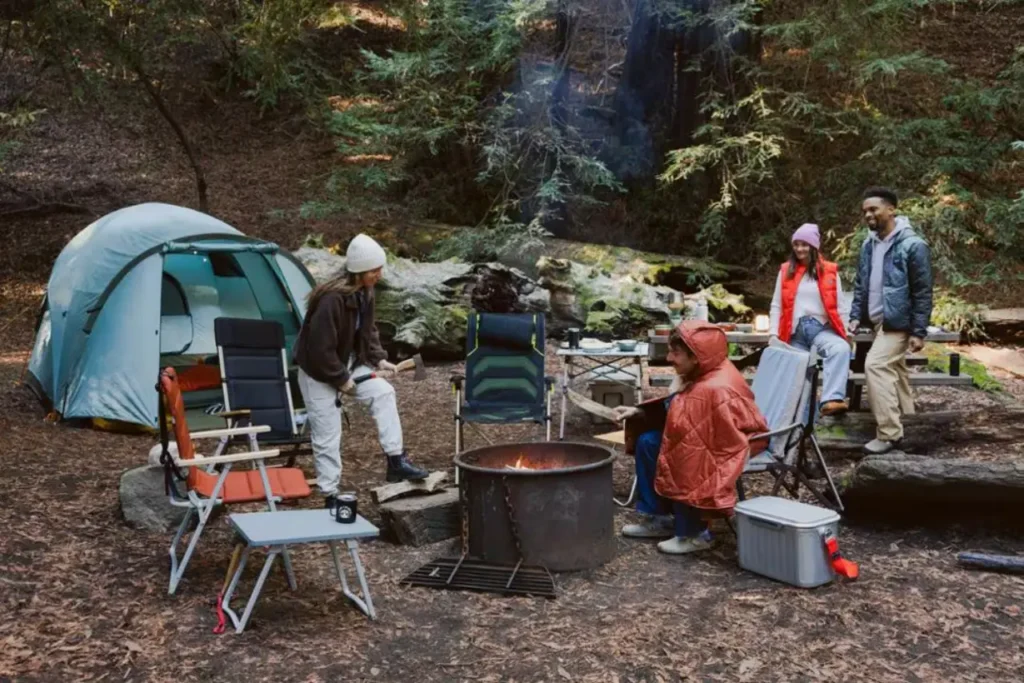
Cold weather camping can be quiet, beautiful, and surprisingly comfortable when the right system comes together. Frost on the tent fly, crisp morning air, and an empty campground can make a shoulder-season or winter trip feel completely different from a crowded summer weekend. The catch is simple: cold weather is less forgiving.
A good cold weather camping packing list is not about packing the heaviest gear or trying to tough it out. It is about building layers of protection: shelter that can handle wind, a sleep system that blocks cold ground, clothing that manages moisture, and a camp kitchen that keeps warm food and drinks easy. ❄️
Start with the essentials that protect warmth and safety first. Once shelter, sleep, clothing, stove, hydration, and navigation are covered, comfort items can make camp feel cozy instead of harsh.
Quick Look: Key Cold Weather Camping Categories
| Category | Why It’s Critical | Key Gear Items |
|---|---|---|
| Shelter System | Your first line of defense against wind, snow, and cold. | 4-season tent, stakes |
| Sleep System | The foundation of a warm night’s sleep. Prevents heat loss to the cold ground. | Cold-rated sleeping bag, high R-value sleeping pad(s) |
| Layered Clothing | Manages moisture and traps body heat effectively for changing conditions. | Base layers, mid layers (fleece/puffy), waterproof shell |
| Extremities | Protects your most vulnerable areas from frostbite and heat loss. | Insulated boots, wool socks, layered gloves/mittens, beanie |
| Camp Kitchen | Provides the calories and hot liquids your body needs to generate heat. | Liquid fuel stove, extra fuel, insulated mug |
| Safety & Essentials | Your backup for navigation, light, and emergencies when conditions are harsh. | Headlamp, extra batteries, first-aid kit, navigation tools |
If space or budget is limited, prioritize a warmer sleeping pad, a properly rated bag, dry base layers, and reliable stove performance before adding nice-to-have extras. A plush camp chair is great; a sleep pad with too little insulation can ruin the night. 🏕️
Your Core Cold Weather Shelter & Sleep System
Your shelter and sleep system do most of the heavy lifting after the sun drops. These pieces work together to block wind, manage moisture, and slow heat loss from the ground and surrounding air.
Think of this as one connected setup rather than three separate purchases. A strong tent helps control wind and spindrift. A cold-rated sleeping bag traps warm air. A high R-value sleeping pad keeps the ground from pulling that warmth away. Get this system right, and the rest of camp feels easier.
Four-Season Tent
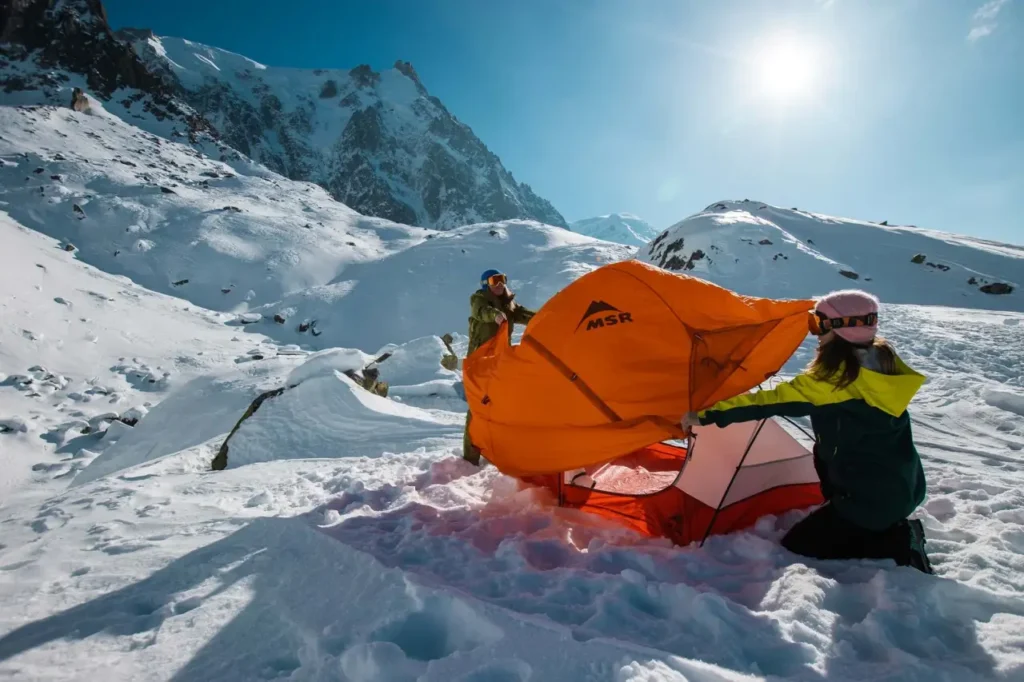
A sturdy 3-season tent can work for mild, calm shoulder-season trips, especially at lower elevations with no snow in the forecast. True winter camping is different. Once wind, snow loading, exposed campsites, or alpine conditions enter the picture, a 4-season tent becomes the safer and more comfortable choice. ❄️
Four-season tents are not simply warmer versions of summer tents. They are built to handle harsher weather.
- Stronger Poles: They use more and/or thicker poles to withstand heavy snow loads and high winds without collapsing.
- Durable Fabrics: The tent body has less mesh and more ripstop nylon to block wind and spindrift (fine, wind-blown snow).
- Steeper Walls: Designed to shed snow so it doesn’t build up and crush the tent.
- Full-Coverage Rainfly: The fly extends almost to the ground to block wind and create a more protected vestibule area for stashing gear.
For protected winter camping near treeline, a lighter 4-season option like the MSR Access 2 Tent can make sense. For more serious alpine conditions, the Mountain Hardwear Trango 2 Tent is the kind of burlier mountaineering shelter worth comparing. Always match the tent to the worst conditions realistically expected, not the best-case forecast.
Pro Tip: Don’t forget snow stakes or “deadman” anchors. Regular tent stakes are often useless in deep snow or frozen ground. In packed snow, buried stuff sacks filled with snow, skis, trekking poles, or purpose-built snow anchors can hold far better than standard stakes.
Cold-Rated Sleeping Bag
That 40°F summer bag has no place on a freezing night. A cold weather sleeping bag should be rated for the lowest temperatures expected, plus a realistic safety buffer.
- Temperature Ratings: Look at the “EN/ISO” ratings. The “Comfort” rating is the temperature at which a cold sleeper will feel comfortable. The “Limit” (or “Lower Limit”) is where a warm sleeper might start to feel the cold. Always plan around the Comfort rating. A 15°F bag is a good starting point for general cold weather camping.
- Down vs. Synthetic: Down offers the best warmth-to-weight ratio and is highly compressible. However, it loses much of its insulating power when wet. Synthetic insulation is bulkier but retains warmth better when damp, making it a reliable choice for consistently wet-cold conditions. Modern hydrophobic down treatments have helped bridge this gap.
- Key Features: Look for a draft collar (an insulated tube around your neck) and a full-length zipper draft tube to seal out cold air. A well-designed hood is also essential for trapping heat.
For cold backpacking and winter basecamp trips, a bag like the NEMO Sonic 0 Sleeping Bag is a strong example of a true cold-weather mummy bag. For milder shoulder-season camping, a 15°F or 20°F bag may be enough when paired with a warm pad and dry layers. 🔥
A sleeping bag liner can add a little warmth and keep the inside of the bag cleaner, but it should not be treated as a fix for an underpowered bag. If the overnight low is near the edge of a bag’s rating, choose a warmer bag.
High R-Value Sleeping Pad(s)
This might be the single most important piece of gear for sleeping warm. Your sleeping bag’s insulation gets compressed underneath you, doing little to stop the frozen ground from pulling away body heat. That’s the sleeping pad’s job.
- What is R-Value? R-value measures a pad’s resistance to heat flow. The higher the R-value, the more insulation it provides.
- Mild Cold (30s°F): R-value of 4.0+
- Cold/Winter (Below 30°F): R-value of 5.0+
- Deep Cold (Below 0°F): R-value of 6.0+
- The Two-Pad System: This is a nearly foolproof strategy for winter camping. Place a closed-cell foam pad like the Therm-a-Rest Z Lite Sol directly on the tent floor, then put an insulated inflatable air pad on top of it. The foam pad adds insulation, protects the air pad from punctures, and provides a backup if the inflatable pad fails. The R-values of the two pads add up.
- Strong Pick: For serious cold, the Therm-a-Rest NeoAir XTherm NXT is one of the best-known winter backpacking pads, with a high 7.3 R-value in a lightweight, packable design.
For car camping, weight matters less. A thick insulated sleeping pad, foam topper, cot-compatible pad, or double-pad system can be worth the extra bulk. Just remember that an air mattress without insulation can feel very cold in winter because the air inside the mattress chills overnight. 💤
Cold Weather Clothing: The Art of Layering
Staying warm in camp is not about wearing one giant coat all day. It is about using layers that can be adjusted as effort, wind, precipitation, and temperature change. The goal is simple: move moisture away from skin, trap warm air, and block wind or snow when needed.
The most important cold-weather clothing rule is to avoid sweating through your layers. Wet clothing loses warmth fast. Open vents, remove a layer before a climb, and add insulation again when stopping for breaks. 🧥
Base Layer
This is the next-to-skin layer. Its job is to wick sweat away so skin stays drier and warmer. Cotton is a definite no-go in cold weather because it absorbs moisture and can leave the body chilled for hours.
- Material: Merino wool is a top choice. It is naturally odor-resistant, breathable, and insulates even when damp. Synthetics like polyester and polypropylene are also excellent, dry faster, and are often more durable and affordable.
- Weight: Choose from lightweight, midweight, or heavyweight depending on the temperature and activity level. Midweight is the most versatile starting point. A reliable option to compare is the Smartwool Classic Thermal Merino Base Layer.
Pack one dedicated dry base layer for sleeping. It can feel like a small thing, but changing into dry layers before bed helps protect the sleeping bag from moisture and makes a cold tent feel much more comfortable.
Mid Layer(s)
This is the insulation layer. Its job is to trap the body heat retained by the base layer. Depending on the cold, one or two mid layers may be needed.
- Fleece: A classic for a reason. It is breathable, warm, and quick-drying. A 100-weight fleece works well for active movement, while a 200-weight fleece adds more warmth at camp.
- Puffy Jackets (Down or Synthetic): This is the main warm layer for low-output moments like cooking, filtering water, or hanging around camp. Down is lighter and more compressible for its warmth. Synthetic puffies perform better in damp conditions and are often easier to care for.
A good cold-weather system often includes an active mid layer for hiking and a larger insulated jacket for camp. Put the big puffy on before getting chilled, not after teeth start chattering. 🔥
Outer Layer (Shell)
This is the shield against wind, rain, and snow.
- Hardshell: A waterproof and breathable jacket and pants made with a membrane like GORE-TEX or a similar proprietary technology. It is essential for staying dry in wet snow or rain. Look for pit zips or side vents to dump heat during strenuous activity.
- Softshell: More breathable and stretchier than a hardshell, but typically only water-resistant, not fully waterproof. A softshell is excellent for high-exertion activities in cold, dry conditions where wind protection and breathability matter most.
For most cold weather camping trips, a hardshell jacket is the safer all-around choice. A softshell is great for cold, dry hiking days, but a real waterproof layer should still be packed when precipitation is possible.
Protecting Your Extremities
Hands, feet, ears, nose, and cheeks are often the first places to suffer when temperatures drop. Do not treat these as afterthoughts. A warm core matters, but frozen fingers can make cooking, tying knots, or adjusting a shelter difficult. 🧤
- Headwear:
- Warm Hat/Beanie: A simple wool or fleece beanie is non-negotiable.
- Balaclava or Neck Gaiter (Buff): Incredibly versatile. Use it to protect your face and neck from wind and cold. A balaclava offers full-face coverage.
- Handwear System: One pair of gloves is not enough. Think in layers.
- Liner Gloves: Thin wool or synthetic gloves for dexterity.
- Mid-Layer Gloves: Warmer fleece or softshell gloves.
- Shell Mittens: A waterproof, insulated outer mitten. Mittens are warmer than gloves because they keep your fingers together. For colder trips, compare options like Black Diamond Mercury Mittens or modular mittens from Outdoor Research.
- Footwear:
- Insulated, Waterproof Boots: Your hiking boots should have insulation and a waterproof membrane. Make sure they are not too tight; thicker socks still need room for circulation.
- Wool Socks: Bring several pairs of medium-to-heavyweight merino wool socks. Change into a fresh, dry pair for sleeping.
- Gaiters: These cover the top of your boots to keep snow from getting inside.
Boot fit matters more in cold weather than many beginners expect. A boot that feels snug with thin socks at home can restrict circulation with winter socks on trail, which leads to colder feet. Leave enough toe room and test the full sock-and-boot combo before the trip. 🥾
Cold Weather Camp Kitchen
Your body is a furnace, and in the cold, it needs steady fuel. Warm meals, hot drinks, and easy snacks help maintain energy, morale, and core temperature when the air feels sharp and daylight is short.
Cold weather cooking should be simple. Pick meals that cook fast, use minimal water, and are easy to handle with gloves. Long simmer times burn fuel and keep hands exposed longer than necessary. ☕
Stove and Fuel
A summer isobutane canister stove may struggle in freezing weather. As temperatures drop, pressure inside the canister falls, which can lead to a weak flame or no flame at all.
- Liquid Fuel Stoves: These are the most reliable choice for freezing temperatures. They use white gas, which you pressurize manually by pumping. They burn hot and consistently, even in deep cold. The MSR WhisperLite Universal is a field-serviceable stove that can run on both liquid fuel and canisters.
- Inverted Canister Stoves: Some modern canister stoves are designed to perform better in the cold or can be used with the canister inverted, allowing them to use liquid-feed gas.
- Fuel: Always bring more fuel than the mild-weather estimate suggests. Melting snow for drinking water consumes a lot of fuel, and cold, windy conditions reduce stove efficiency.
Use a stove on a stable platform, shield it from wind safely, and cook away from tent fabric. In severe weather, some winter campers cook in a vestibule, but that requires strong ventilation, careful stove placement, and experience. Never cook inside a sealed tent.
Cookware & Food
- Pot & Utensils: A simple, durable pot with a lid works great. A long-handled spoon or spork is handy for eating out of dehydrated meal bags.
- Insulated Mug: A game-changer. It will keep coffee, tea, or soup hot for much longer.
- Food: Focus on high-calorie, easy-to-make meals. Think pasta, couscous, ramen, rice, or instant mashed potatoes with added olive oil, cheese, nut butter, or butter. Snacks like nuts, chocolate, jerky, and energy bars are essential for steady fuel throughout the day.
- Hydration: It is easy to get dehydrated in cold, dry air.
- Water Bottles: Use wide-mouth, durable bottles like Nalgene-style bottles that are less likely to have their threads freeze shut.
- Insulation: Keep water bottles in insulated sleeves or wrap them in spare clothing inside a pack to reduce freezing. Store them upside down at night, as water freezes from the top down.
A small thermos is worth its weight on cold trips. Fill it with tea, broth, coffee, or hot water in the morning, then stash it where it stays accessible. A warm drink during a windy break can completely change the mood of the day. 🔥
Your Complete Cold Weather Camping Packing List
Use this checklist as a starting point, then adjust for trip length, forecast, campsite access, elevation, and experience level. A car-camping trip near the trailhead allows more comfort gear. A winter backpacking route demands more careful weight choices.
Before leaving, pack everything in dry bags or waterproof stuff sacks where needed, especially sleep layers, gloves, socks, and the sleeping bag. Dry gear is warm gear. ❄️
Shelter & Sleep System
- 4-Season Tent
- Footprint
- Snow Stakes / Deadman Anchors
- Cold-Rated Sleeping Bag (0°F to 20°F is a good range)
- High R-Value Insulated Air Pad (R-value 5+)
- Closed-Cell Foam Pad
- Pillow (inflatable or stuff sack)
Clothing (Packed, not worn)
- Base Layer Top & Bottom (midweight merino or synthetic)
- Spare Base Layer (for sleeping)
- Mid Layer Top (fleece or active insulation jacket)
- Insulated “Puffy” Jacket (your main warm layer for camp)
- Insulated “Puffy” Pants (optional, but a luxury)
- Hardshell Jacket (waterproof/breathable)
- Hardshell Pants (waterproof/breathable)
- Wool Hiking Socks (2-3 pairs)
- Thick Wool Socks (for sleeping)
Extremities
- Insulated, Waterproof Winter Boots
- Liner Gloves
- Insulated Gloves or Mittens
- Waterproof Shell Mittens
- Warm Beanie / Hat
- Balaclava or Neck Gaiter/Buff
- Sunglasses / Goggles (snow blindness is real)
Kitchen & Hydration
- Liquid Fuel Stove
- Fuel Bottle & Extra Fuel
- Lighter / Waterproof Matches / Fire Starter
- Pot with Lid
- Insulated Mug
- Spoon or Spork
- Biodegradable Soap & Small Sponge
- High-Calorie Food (dinners, lunches, breakfasts, snacks)
- 1-Liter Wide-Mouth Water Bottles (x2)
- Water Filter/Purification Method
- Small Thermos (for hot drinks)
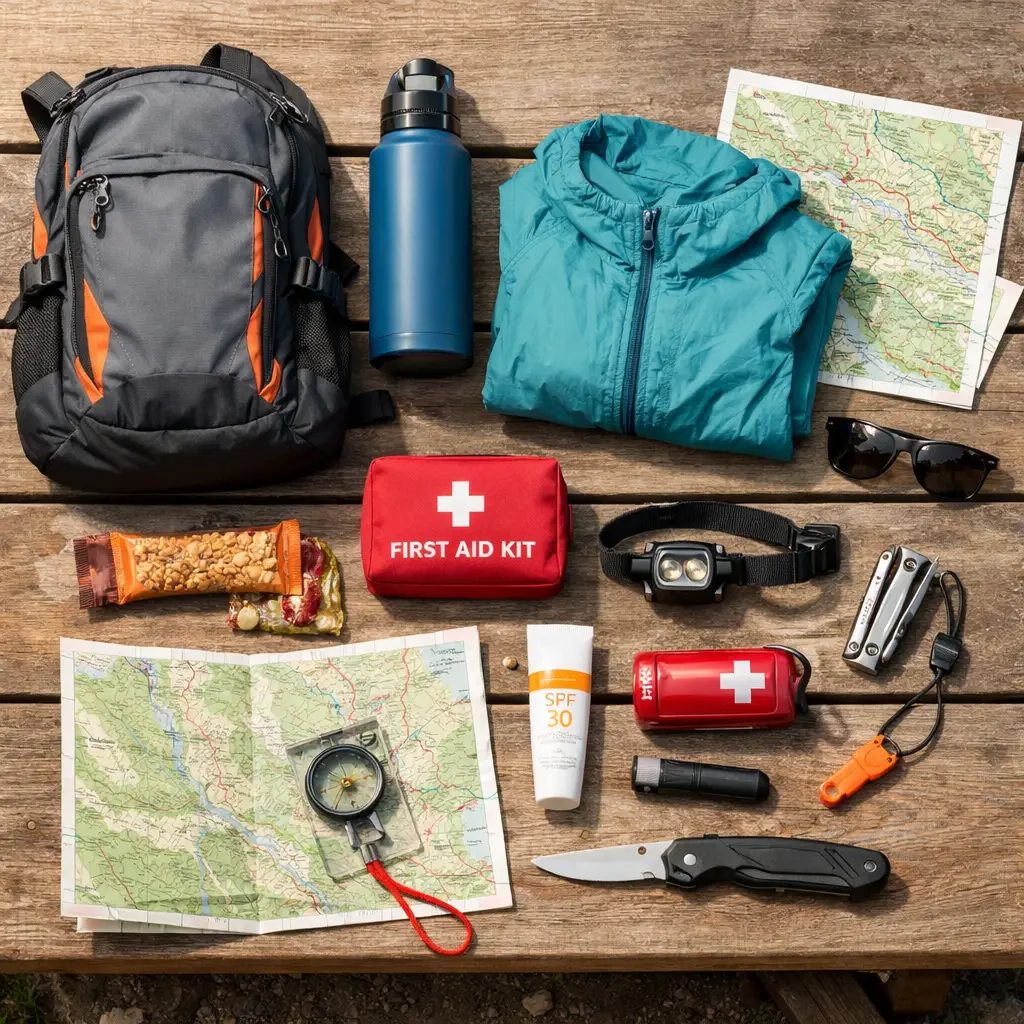
Navigation & Safety
- Backpack (50-70L)
- Pack Rain Cover
- Headlamp with Extra Lithium Batteries (they perform better in cold)
- First-Aid Kit (add hand warmers, blister care, emergency blanket)
- Map & Compass
- GPS Device or Phone with Offline Maps
- Power Bank (kept in an inside pocket)
- Multi-tool or Knife
- Gear Repair Kit (tenacious tape, zip ties, seam sealer)
Snow-Specific Gear (if applicable)
- Snow Shovel (for digging out a tent platform or kitchen area)
- Traction Devices (microspikes or crampons)
- Snowshoes or Skis
- Avalanche Safety Gear (beacon, shovel, probe) – if in avalanche terrain, and you have the training.
Traction is one of the easiest items to underestimate. If the trail may include packed snow or icy sections, a compact traction device like Kahtoola MICROspikes can make walking feel far more secure than bare boots. For steep, technical, or glaciated terrain, basic microspikes are not a substitute for crampons and proper training. 🧭
Personal & Comfort Items
- Sunscreen
- Lip Balm with SPF
- Toothbrush & Toothpaste
- Small Pack Towel
- Hand Sanitizer
- Camp Chair (an insulated one is amazing)
- Pee Bottle (a smart comfort and safety item for freezing nights)
- Book or downloaded podcasts
Comfort items are not just luxuries in cold weather. A sit pad, insulated mug, dry sleep socks, and a warm hat can reduce the small discomforts that pile up over a long winter night. Pack the comforts that keep camp simple, dry, and relaxed. 🏕️
Final Thoughts: Preparation is Everything
Cold weather camping is one of the most rewarding ways to experience the outdoors. The quiet, the frosty mornings, and the feeling of building a warm little home in a frozen landscape can be deeply satisfying. But cold weather deserves respect.
The best cold weather camping packing list is not just a pile of gear. It is a system. Shelter blocks weather. A warm sleep setup protects rest. Layers manage sweat and warmth. A reliable stove keeps hot food and drinks easy. Safety gear gives backup when conditions shift.
Start with mild cold before jumping into deep winter. Test the tent, stove, sleeping pad, and layers close to home. Learn how gear performs when fingers are cold and daylight is fading. With the right preparation, winter stops feeling like an obstacle and starts feeling like another beautiful season to get outside. ❄️
Frequently Asked Questions
What temperature is considered “cold weather camping”?
Generally, once overnight temperatures start dipping below freezing (32°F / 0°C), you’re in cold weather camping territory. This requires more specialized gear than typical 3-season camping.
Can a 3-season tent work in the winter?
You can in mild, calm conditions, but it’s not ideal. A 3-season tent’s mesh walls won’t block wind, and its weaker pole structure isn’t designed to handle snow loads. If wind or snow is expected, a 4-season tent is a much safer choice.
How should the right sleeping bag temperature rating be chosen?
Always look at the ISO/EN “Comfort” rating and choose a bag rated at least 10-15°F colder than the lowest temperature anticipated. It is easier to vent a warm bag than to warm up in a cold one.
What’s the single most important piece of gear for staying warm at night?
Your sleeping pad. A sleeping bag cannot do its job if the frozen ground is stealing heat from underneath. A pad with an R-value of 5 or higher is crucial for preventing conductive heat loss in winter conditions.
How can water be kept from freezing?
Start with warm or hot water in the morning when practical, then store it in an insulated bottle or thermos. For regular bottles, use insulated sleeves, keep them inside the pack, and store them upside down at night because water freezes from the top down.
What should beginners skip on a first cold weather camping trip?
Beginners should skip remote winter routes, avalanche terrain, severe wind forecasts, and deep-cold nights until gear and skills are dialed. A campground, trailhead-adjacent site, or short hike-in campsite in mild cold is a better place to test systems.
Is car camping easier than backpacking in cold weather?
Yes. Car camping allows heavier pads, extra blankets, spare layers, a larger stove setup, and backup gear. Backpacking in cold weather requires more careful packing because every item has to earn space and weight in the pack.
Affiliate Disclosure: GearForTheOutdoors.com participates in affiliate programs, including REI, Amazon, REI Outlet, Garage Grown Gear, evo, and other trusted partners. Purchases made through links on this site may earn a small commission at no extra cost to the reader. That support helps keep the content useful, practical, and free.
Disclaimer: This post is for informational purposes only. Always verify current product details, fit, availability, safety information, and manufacturer warranties before purchase or use. Outdoor conditions and gear performance can vary depending on setup, weather, terrain, and experience level.