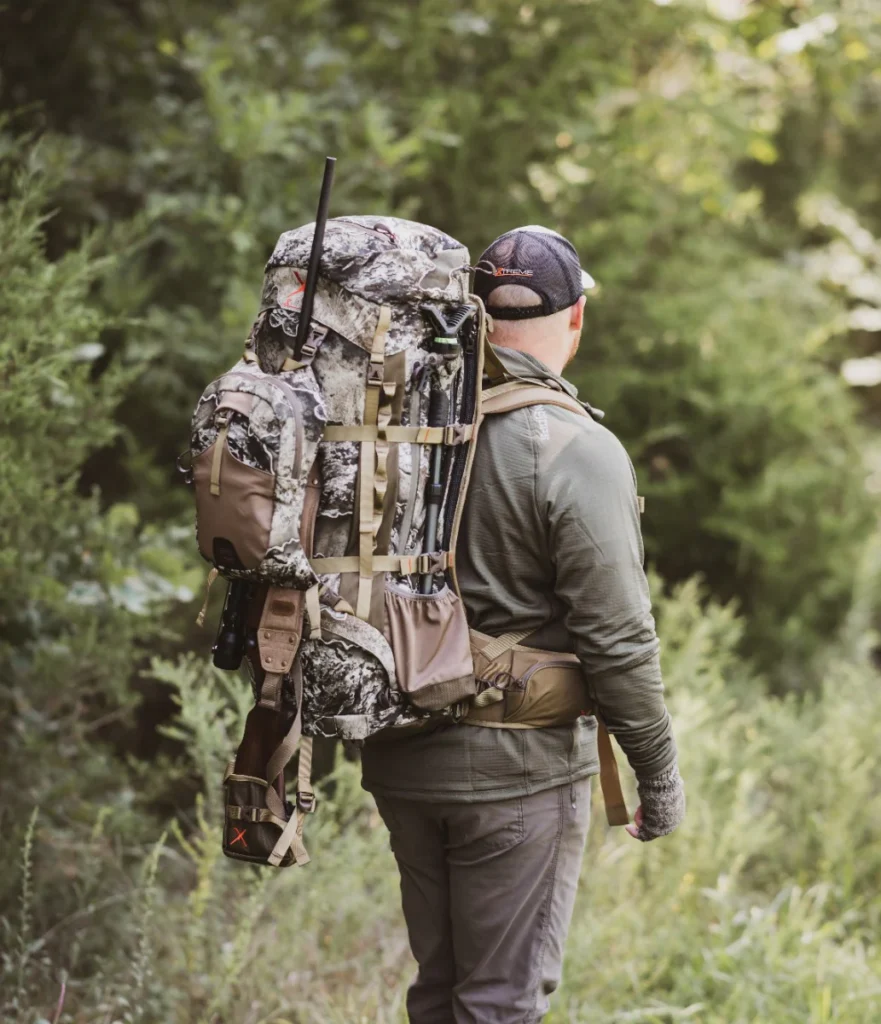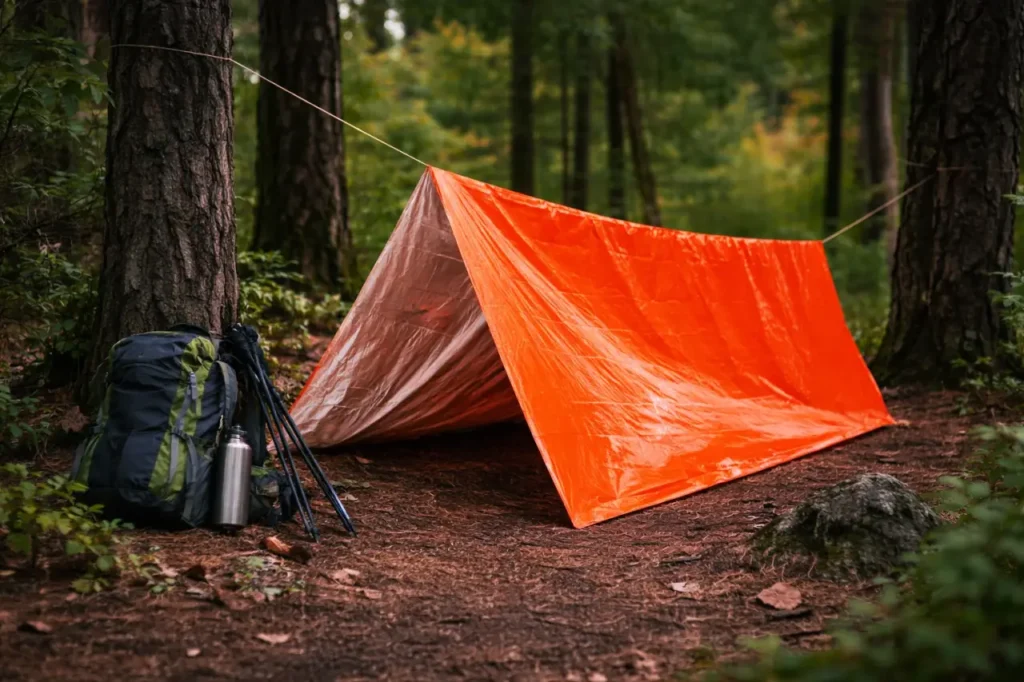

A good headlamp is one of those small pieces of gear that quietly saves the day. It helps with early trail starts, late returns, dark campsites, midnight bathroom walks, tent setup after sunset, and those moments when a “quick hike” takes longer than expected. 🌙
For hiking, the best headlamp is not always the brightest one. It is the one that gives the right mix of usable light, battery life, comfort, weather resistance, and simple controls when hands are cold, tired, or full of gear.
This guide focuses on practical, trail-ready headlamps that make sense for hikers, backpackers, campers, trail runners, and anyone who wants a reliable hands-free light in the outdoors.
Our Top Hiking Headlamp Picks
- Best Overall Headlamp: Petzl Actik Core
- Best Value Headlamp: Black Diamond Spot 400
- Best Ultralight Headlamp: Nitecore NU25 UL
- Most Comfortable Headlamp: BioLite Range 400
- Best High-Performance Headlamp: Fenix HM65R-T V2.0
- Best Simple & Reliable Headlamp: Petzl Tikkina
| Headlamp Model | Price | Max Lumens | Weight | Battery Type | Best For |
|---|---|---|---|---|---|
| Petzl Actik Core | $$ | 625 | About 3.1 oz | Rechargeable Core or 3 AAA | All-around hiking, backpacking, versatility |
| Black Diamond Spot 400 | $ | 400 | About 2.7 oz | 3 AAA; rechargeable option available | Value, reliability, everyday trail use |
| Nitecore NU25 UL | $$ | 400 | About 1.6 oz | Rechargeable USB-C | Ultralight backpacking, fast hiking, backup light |
| BioLite Range 400 | $$ | 400 | About 2.8 oz | Rechargeable USB-C | Comfort, camping, active hiking |
| Fenix HM65R-T V2.0 | $$$ | 1600 | About 4.9 oz | Rechargeable 18650 | Night hiking, trail running, high-output use |
| Petzl Tikkina | $ | 300 | About 3.25 oz | 3 AAA; Core compatible | Camp chores, backup light, simple trail use |
How to Choose the Best Hiking Headlamp
The right headlamp depends on how it will be used. A backpacker heading out before sunrise needs something different from a car camper cooking dinner after dark. A trail runner moving quickly over roots and rocks needs more power and stability than someone reading in a tent.
Before choosing a headlamp, focus on a few core features: brightness, beam shape, battery style, comfort, weather resistance, and ease of use. Those matter far more than a big lumen number on the package. 🔦
Lumens and Beam Distance
Lumens measure total light output. In simple terms, more lumens usually means a brighter headlamp. But brightness alone does not tell the full story.
A 600-lumen headlamp with a wide flood beam may feel great around camp but less useful for spotting a trail marker far ahead. A lower-lumen headlamp with a focused spot beam can sometimes reach farther down the trail.
Here is a practical way to think about brightness:
- Under 100 lumens: Best for reading in a tent, sorting gear, or moving around camp.
- 100–300 lumens: Good for easy trails, camp chores, and short night walks.
- 300–600 lumens: The best range for most hikers. Bright enough for established trails, uneven terrain, and confident movement after dark.
- 600+ lumens: Useful for night hiking, trail running, route-finding, open terrain, or faster movement in the dark.
Beam distance is often just as important as lumens. A longer beam helps with navigation, while a wider beam is more comfortable for cooking, packing, and campsite tasks.
The best hiking headlamps usually offer both a spot beam for distance and a flood beam for close-up visibility.
Battery Type: Rechargeable vs. Disposable
Battery style is one of the biggest decisions when buying a hiking headlamp.
Rechargeable headlamps are convenient, lower-waste, and easy to top off from a wall charger, car outlet, or power bank. They make a lot of sense for regular hikers, campers, and travelers who already carry USB charging gear.
The tradeoff is simple: when the battery dies, it needs time to recharge.
Disposable battery headlamps usually run on AAA or AA batteries. They are easy to resupply at gas stations, outdoor shops, and grocery stores. For longer trips, carrying spare batteries is simple and reliable.
In cold weather, lithium batteries usually perform better than alkaline batteries and weigh a little less.
Hybrid or dual-fuel headlamps offer the most flexibility. Models like the Petzl Actik Core can run on a rechargeable battery pack or standard AAA batteries. That makes them especially useful for backpacking trips, travel, and emergency kits.
Weight and Comfort
A headlamp may feel fine for five minutes in a store and annoying after two hours on a trail. Weight, balance, strap design, and bounce all matter.
For hiking and backpacking, headlamps under about 3 ounces are usually comfortable enough for long use. For trail running or fast hiking, a secure fit becomes even more important because bounce can get distracting quickly.
Rear battery packs often balance the weight better for active use, but they can be less comfortable when lying down in a tent or leaning against a camp chair. Slim front-mounted headlamps are usually better for sleeping, reading, and casual camp use. 🏕️
Water Resistance
Headlamps get rained on. They also get dropped in wet grass, stuffed into damp packs, and used with sweaty hands.
Water resistance is measured with an IP rating:
- IPX4: Resists splashing water from any direction. Good enough for most hiking and camping.
- IPX7: Can handle temporary submersion in shallow water.
- IPX8: More waterproof than IPX7, with depth and time defined by the manufacturer.
- IP66 / IP67 / IP68: Adds dust protection along with strong water resistance.
For most hikers, IPX4 is enough. For wet climates, paddling-adjacent trips, snow, heavy rain, or rougher use, a more protective rating is worth considering.
Key Features to Look For
Red light mode is one of the most useful features for camping. It helps preserve night vision and is less harsh when sharing a tent, campsite, or shelter.
Lockout mode prevents the headlamp from turning on inside a pack and draining the battery. This is a small feature that matters a lot when hiking out after sunset.
Spot and flood modes give more control. Use flood mode for camp chores and close-up tasks. Use spot mode for trail navigation and checking what is farther ahead.
Dimmability helps stretch battery life. There is no reason to burn through a battery on full power when a lower setting is enough.
Battery indicator lights are helpful before a trip. A quick glance can tell whether the headlamp needs charging or fresh batteries before heading out.
The Best Hiking Headlamps: Detailed Reviews
1. Petzl Actik Core
Best Overall Headlamp
The Petzl Actik Core is the easiest headlamp to recommend for most hikers because it gets the big things right: strong brightness, low weight, simple controls, a red light, and a battery system that works well for both short hikes and longer trips.
Its biggest strength is versatility. The included Petzl Core rechargeable battery is convenient for regular use, but the headlamp can also run on three AAA batteries. That dual-fuel setup makes a real difference on multi-day trips, road trips, and any situation where recharging is not guaranteed.
With up to 625 lumens, the Actik Core has more than enough output for hiking established trails after dark, finding blazes, checking turns, and moving confidently over rocky or uneven ground. It is not the most powerful headlamp here, but it sits in the sweet spot for real hiking use.
The beam works well for both close-up and mid-distance visibility, and the red light is useful around camp. The headband is comfortable, reflective, and easy to adjust. It is also compact enough to live in a daypack without taking up much space. ✨
| Specs | Details |
|---|---|
| Max Lumens | 625 |
| Weight | About 3.1 oz |
| Battery | Rechargeable Core battery included or 3 AAA batteries |
| Water Resistance | IPX4 |
| Beam Options | Wide and mixed beam |
| Features | Red light, lock function, reflective headband, dual-fuel battery system |
Pros:
- Excellent all-around brightness for hiking and backpacking
- Dual-fuel battery system adds real backcountry flexibility
- Rechargeable battery is included
- Comfortable, compact, and easy to pack
- Red light and lock function are useful for camping and travel
Cons:
- Not as waterproof as some Black Diamond or Fenix models
- Highest setting drains the battery faster
- Costs more than basic camp headlamps
The Petzl Actik Core is best for: Hikers and backpackers who want one dependable headlamp for almost everything: day hikes that run late, weekend backpacking trips, campground use, and travel.
Check Price at REI
2. Black Diamond Spot 400
Best Value Headlamp
The Black Diamond Spot 400 has been a go-to hiking headlamp for years because it offers a lot of trail-ready features at a reasonable price. It is bright enough for most night hiking, compact enough for backpacking, and tough enough for wet conditions.
The Spot 400 runs on three AAA batteries and can also work with Black Diamond’s rechargeable BD 1500 battery system, sold separately. That gives it some dual-fuel flexibility, though not as cleanly as the Petzl Actik Core package.
Its 400-lumen output hits a very practical range for most hikers. It is bright enough for rocky trails, campsite setup, and early starts before sunrise. It also includes red light mode, dimming, strobe, lock mode, and Black Diamond’s PowerTap feature, which lets the user quickly jump between brightness levels.
The Spot 400 is especially appealing for hikers who want a capable light without spending premium-headlamp money. It may take a little time to learn all the button functions, but once dialed in, it is a reliable and feature-rich trail light.
| Specs | Details |
|---|---|
| Max Lumens | 400 |
| Weight | About 2.7 oz |
| Battery | 3 AAA batteries; compatible with BD 1500 rechargeable battery system |
| Water Resistance | IPX8 |
| Beam Options | Spot, proximity, dimming, strobe, red night vision |
| Features | PowerTap, brightness memory, lock mode, battery meter |
Pros:
- Strong value for the feature set
- Fully waterproof rating adds confidence in wet weather
- Bright enough for most hiking and camping
- Red light, lock mode, dimming, and battery meter are all useful
- Compact and lightweight
Cons:
- Controls can take a little practice
- Rechargeable battery is not included
- AAA batteries add ongoing cost unless using rechargeables
The Black Diamond Spot 400 is best for: Day hikers, backpackers, and campers who want a durable, waterproof, full-featured headlamp at a fair price.
3. Nitecore NU25 UL
Best Ultralight Headlamp
The Nitecore NU25 UL is a favorite among ultralight backpackers for a simple reason: it gives a lot of usable light for very little weight.
At around 1.6 ounces, this is the lightest headlamp in this guide. It is the kind of headlamp that disappears in a hipbelt pocket, emergency kit, or fast-and-light backpacking setup. For hikers who count ounces, that matters.
The NU25 UL still delivers up to 400 lumens, which is plenty for most backpacking use. It has white spot and flood modes, a red light, USB-C charging, a lockout mode, and a simple shock-cord-style headband that helps cut weight.
The tradeoff is battery capacity. The integrated battery is convenient and keeps the design compact, but it cannot be swapped in the field. For longer trips, pairing it with a small power bank makes sense.
This is not the best headlamp for all-night high-output hiking. It is an excellent headlamp for backpackers who mostly need dependable light for camp, early starts, occasional night miles, and emergency backup. 🌲
| Specs | Details |
|---|---|
| Max Lumens | 400 |
| Weight | About 1.6 oz |
| Battery | Integrated rechargeable battery |
| Water Resistance | IP66 |
| Beam Options | Spot, flood, mixed, red light |
| Features | USB-C charging, lockout mode, battery indicator, ultralight headband |
Pros:
- Extremely light and compact
- Strong brightness for the weight
- USB-C charging is convenient
- Red light and lockout mode included
- Great as a primary ultralight headlamp or backup light
Cons:
- Integrated battery cannot be swapped
- Not ideal for long stretches on high brightness
- Minimalist headband may not feel as plush as traditional straps
The Nitecore NU25 UL is best for: Ultralight backpackers, thru-hikers, fast hikers, and anyone who wants a very small rechargeable headlamp that still has real trail utility.
Check Price at Amazon
4. BioLite Range 400
Most Comfortable Headlamp
The BioLite Range 400 is a strong pick for hikers and campers who care about comfort as much as brightness. It keeps the design low-profile, easy to wear, and friendly for long stretches around camp or on the trail.
BioLite headlamps are known for comfortable fit, and the Range 400 continues that direction with a slim build, rechargeable battery, and straightforward lighting modes. The 400-lumen output is right in the practical zone for most hiking, and the red light mode helps around tents, picnic tables, and shared campsites.
One of the best things about this headlamp is how approachable it feels. It is not overloaded with complicated settings, and it works well for the kind of real-life outdoor use most people need: walking to a viewpoint before sunrise, cooking after dark, packing up before first light, or finding gear in the back of the car.
Its IP67 rating is also a major plus. That adds more weather confidence than many standard camp-focused headlamps, especially for hikers who spend time in wet forests, coastal campsites, or rainy shoulder-season conditions.
| Specs | Details |
|---|---|
| Max Lumens | 400 |
| Weight | About 2.8 oz |
| Battery | Rechargeable USB-C |
| Water Resistance | IP67 |
| Beam Options | White and red lighting modes |
| Features | Rechargeable battery, comfortable band, one-hand tilt, waterproof housing |
Pros:
- Comfortable fit for hiking and camp use
- Rechargeable USB-C battery
- Red light mode included
- Strong waterproof and dust-resistant rating
- Simple enough for casual users, capable enough for regular hikers
Cons:
- Integrated battery is not swappable
- Not as bright as high-output performance models
- Less battery flexibility than dual-fuel headlamps
The BioLite Range 400 is best for: Campers, casual hikers, active travelers, and anyone who wants a comfortable rechargeable headlamp for everyday outdoor use.
Check Price at REI
5. Fenix HM65R-T V2.0
Best High-Performance Headlamp
The Fenix HM65R-T V2.0 is built for people who need serious light output and a secure fit in rougher conditions. It is brighter, tougher, and more performance-focused than the average hiking headlamp.
With up to 1600 lumens, this is the headlamp to consider for night hiking, trail running, fastpacking, search-heavy route finding, or long dark approaches where seeing farther ahead really matters. It uses separate white and warm-white beams, which gives more flexibility across clear nights, rain, fog, and close-up trail work.
The rechargeable 18650 battery gives it more power capacity than smaller ultralight headlamps. It also has a secure headband system that is designed for movement, which matters when running or hiking quickly over uneven ground.
This is more headlamp than most casual hikers need. It is also heavier and more expensive than simple trail models. But for high-output use, it offers a level of brightness and durability that smaller headlamps cannot match.
| Specs | Details |
|---|---|
| Max Lumens | 1600 |
| Weight | About 4.9 oz |
| Battery | Rechargeable 18650 lithium-ion battery |
| Water Resistance | IP68 |
| Beam Options | White spotlight and warm-white floodlight |
| Features | USB-C charging, secure sport fit, dual beams, high-output battery system |
Pros:
- Very bright for night hiking and fast movement
- Durable build with strong water and dust protection
- Dual-beam setup adds flexibility
- Rechargeable 18650 battery offers strong capacity
- Secure headband works well for active use
Cons:
- Heavier than most hiking headlamps
- More expensive than basic models
- Overkill for simple camp chores
- No red light mode
The Fenix HM65R-T V2.0 is best for: Night hikers, trail runners, fastpackers, and outdoor users who need a powerful, durable headlamp for moving quickly in the dark.
Check Price at Amazon
6. Petzl Tikkina
Best Simple & Reliable Headlamp
The Petzl Tikkina is the headlamp to choose when simplicity matters most. It is affordable, easy to use, compact, and reliable enough for camp chores, short night walks, travel, and emergency backup.
With 300 lumens, the Tikkina has enough brightness for established trails, campground use, tent setup, and general outdoor tasks. It does not have a red light, advanced beam modes, or premium controls, but that is part of the appeal. One button. A few brightness levels. Light when needed.
It runs on three AAA batteries and is also compatible with Petzl’s Core rechargeable battery, sold separately. That gives it a useful upgrade path if rechargeable power becomes more appealing later.
The Tikkina is not the best choice for technical night hiking or fast movement in the dark. But for a first headlamp, a family camping kit, a glove box, or a backup in a hiking pack, it makes a lot of sense.
| Specs | Details |
|---|---|
| Max Lumens | 300 |
| Weight | About 3.25 oz |
| Battery | 3 AAA batteries; compatible with Petzl Core battery |
| Water Resistance | IPX4 |
| Beam Options | Wide beam |
| Features | Simple one-button operation, compact design, budget-friendly price |
Pros:
- Affordable and easy to use
- Good brightness for camp and simple trail use
- Compact enough for backup kits
- Compatible with Petzl Core rechargeable battery
- Great option for beginners and families
Cons:
- No red light mode
- Not as bright or feature-rich as other models
- Less ideal for technical night hiking
The Petzl Tikkina is best for: Car camping, beginner hikers, kids, backup kits, travel bags, and anyone who wants a dependable no-fuss headlamp.
Check Price at REI
Final Verdict
For most hikers, the best overall choice is the Petzl Actik Core. It has the right balance of brightness, comfort, weight, red light, and battery flexibility. The dual-fuel system is especially helpful because it works well for both rechargeable daily use and longer trips where spare AAA batteries may be easier than finding an outlet.
For the best value, the Black Diamond Spot 400 is hard to beat. It is bright, waterproof, feature-rich, and reasonably priced.
For ultralight backpacking, the Nitecore NU25 UL is the clear weight-saving pick. It is small, bright enough for most backpacking situations, and easy to recharge with USB-C.
For comfort, the BioLite Range 400 is a great everyday outdoor headlamp with a friendly fit and strong weather protection. For high-output night movement, the Fenix HM65R-T V2.0 brings far more brightness and durability than most hikers need, but it is a strong choice for demanding use.
And for a simple, affordable light that just works, the Petzl Tikkina is still a smart pick for camp, travel, and backup duty. 🌄
FAQ About Hiking Headlamps
How many lumens do you really need for hiking?
For most hiking, 300 to 400 lumens is enough. That range gives good visibility on established trails, helps spot roots and rocks, and still keeps battery use reasonable. Higher outputs are helpful for trail running, off-trail navigation, or moving quickly in the dark.
Is a red light mode necessary?
Red light mode is not absolutely necessary, but it is very useful. It helps preserve night vision and is less harsh around camp, inside a tent, or when hiking with other people. For backpacking and camping, it is one of the most practical features to have.
Are rechargeable headlamps better than battery-powered headlamps?
Rechargeable headlamps are convenient and cost-effective over time, especially for frequent use. Battery-powered headlamps are easier to resupply on long trips. A dual-fuel headlamp offers the most flexibility because it can use a rechargeable battery pack or disposable batteries.
What is the best headlamp for backpacking?
For most backpackers, the Petzl Actik Core is the best all-around choice because it balances brightness, weight, comfort, and battery flexibility. For ultralight backpacking, the Nitecore NU25 UL is a better pick because it saves significant weight.
Can a phone flashlight replace a headlamp?
A phone flashlight works in a pinch, but it is not a good replacement for a headlamp. A headlamp keeps both hands free for trekking poles, cooking, setting up a tent, filtering water, or handling gear. It also protects the phone battery for navigation and emergency communication.
How do you make a headlamp battery last longer?
Use the lowest brightness setting that still feels safe. Avoid running the headlamp on max power unless needed. Use red light around camp, lock the headlamp before packing it, and keep batteries warm in cold weather.
What does IPX4 mean on a headlamp?
IPX4 means the headlamp can handle splashing water from any direction. For most hiking and camping, that is enough for rain and damp conditions. For heavy rain, paddling trips, snow, or very wet environments, look for a stronger rating like IP67 or IP68.
Is a brighter headlamp always better?
Not always. Brighter headlamps can drain batteries faster, cost more, and sometimes weigh more. For most hikers, a comfortable 300- to 600-lumen headlamp with good battery life is more useful than an extremely bright model that feels bulky or complicated.
Affiliate Disclosure: GearForTheOutdoors.com participates in affiliate programs, including REI, Amazon, REI Outlet, Garage Grown Gear, evo, and other trusted partners. When you purchase through links on this site, GearForTheOutdoors.com may earn a small commission at no extra cost to you. That helps support the content and keeps recommendations useful, practical, and free.
Disclaimer: This post is for informational purposes only. Always verify current product details, fit, availability, safety information, and manufacturer warranties before purchase or use. Outdoor conditions and gear performance can vary depending on setup, weather, terrain, and experience level.