Fall is one of the best seasons to be on the trail. Cooler air makes long climbs more comfortable, summer crowds begin to thin, and forests across much of the U.S. turn shades of gold, orange, and red.
It is also one of the trickiest seasons to dress for.
A chilly morning at the trailhead can become surprisingly warm once the sun comes out and the trail starts climbing. A few hours later, wind on an exposed ridge or an approaching rain shower can make it feel cold again.
That is why the best fall hiking outfits are not built around one warm jacket. They are built around layers that can be added, removed, or vented throughout the day. 🍂
The goal is simple: stay dry while moving, warm when temperatures drop, and protected when wind or rain rolls in.
This guide breaks down exactly how to build that system—from base layers and fleece jackets to hiking pants, socks, footwear, and the small accessories that can make a surprisingly big difference on a cool autumn trail.
The Quick Take: Your Fall Layering Philosophy
If there is one rule worth remembering, it is this:
Dress in layers instead of dressing for one temperature.
A practical fall hiking system usually includes three upper-body layers:
- A moisture-wicking base layer next to the skin.
- A breathable mid layer for warmth.
- A shell for wind and rain protection.
You probably will not wear all three for the entire hike.
That is the point.
You might leave the trailhead wearing a base layer and fleece, remove the fleece halfway up the first climb, pull it back on during lunch, and add the shell when the trail reaches a windy overlook.
A good fall hiking outfit adapts as quickly as the weather does. 🌲
Why Layering Matters So Much in Fall
Fall hiking creates an unusual clothing challenge because both the weather and your body temperature can change dramatically during the same outing.
Climbing a steep switchback generates a lot of heat. Standing still at a summit does not.
Sunshine can warm a sheltered trail quickly. Wind can make an exposed ridge feel considerably colder.
Rain adds another complication because wet clothing accelerates heat loss.
A layering system gives each piece of clothing a specific job:
- Wick moisture away from your skin.
- Trap enough body heat to keep you comfortable.
- Block wind and precipitation when conditions deteriorate.
Instead of relying on one bulky jacket to do everything, you can adjust each part separately.
That flexibility matters far more on the trail than simply wearing the warmest clothing possible.
A Word About Cotton
The familiar outdoor saying “cotton kills” is intentionally dramatic, but the underlying advice is useful.
Cotton absorbs moisture and dries slowly.
A cotton T-shirt soaked with sweat during a climb may stay damp during a windy lunch stop or chilly descent. At best, that feels uncomfortable. In colder conditions, it can contribute to rapid heat loss.
For fall hiking, wool and synthetic fabrics are generally much better choices for anything likely to get sweaty.
The Anatomy of a Good Fall Layering System
Each part of the system should solve a different problem.
The base layer handles sweat.
The mid layer handles warmth.
The outer layer handles weather.
Once you start thinking about hiking clothing this way, getting dressed for unpredictable fall conditions becomes much easier.
1. The Base Layer: Start With Moisture Management
The base layer sits directly against your skin, so its main job is not simply keeping you warm.
Its most important job is moving moisture away from your body.
That becomes particularly noticeable on cool mornings. It may be only 40°F outside, but a sustained uphill climb can still produce plenty of sweat.
If that moisture stays against your skin, you are much more likely to feel chilled when your pace slows.
Look for a comfortable, relatively close-fitting shirt made from either merino wool or a quick-drying synthetic fabric.
Merino Wool
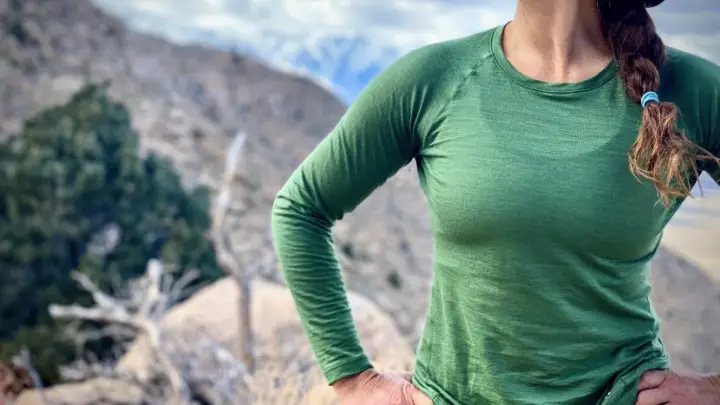
Merino is especially well suited to fall hiking because it handles temperature changes nicely.
It breathes well, manages moisture, resists odors, and continues to provide some insulation when damp.
It also tends to feel softer against the skin than traditional wool.
The tradeoffs are price and durability. Merino is usually more expensive than synthetic fabric and can wear faster under repeated backpack use.
The Smartwool Classic All-Season Merino Base Layer is a good example of the type of base layer that works particularly well in autumn.
It provides enough warmth for cool starts without feeling like a heavy winter thermal once the trail becomes steeper or afternoon temperatures climb.
For most fall day hikes, that lightweight versatility is more useful than maximum insulation.
Synthetic Base Layers
Synthetic fabrics such as polyester are another excellent option.
They generally dry faster than merino, are durable, and are often less expensive.
They can also be particularly comfortable for high-output hikes where sweating is inevitable.
The main downside is odor retention. After a long day—or several days on the trail—synthetic shirts usually smell noticeably stronger than merino.
For a simple day hike, however, that may not matter much.
🥾 Best rule: Choose merino if odor resistance and temperature regulation matter most. Choose synthetic if quick drying, durability, and value are higher priorities.
2. The Mid Layer: Add Warmth Without Trapping Too Much Heat
The mid layer is where most of the insulation comes from.
For fall hiking, however, warmer is not automatically better.
A good hiking mid layer should keep you comfortable during cool stretches while still allowing excess heat to escape when you start climbing.
That is why fleece remains such a useful autumn hiking fabric.
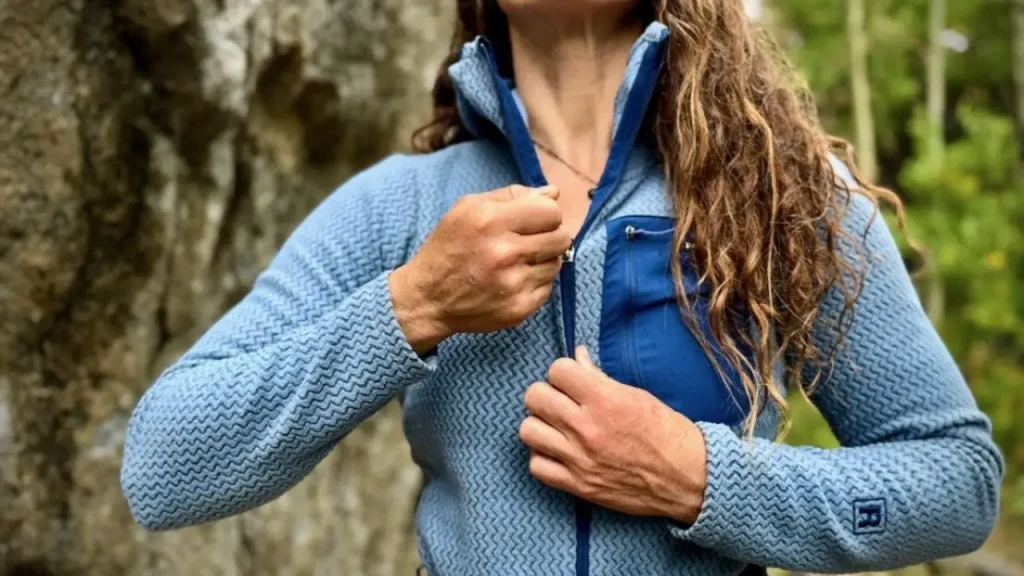
Fleece
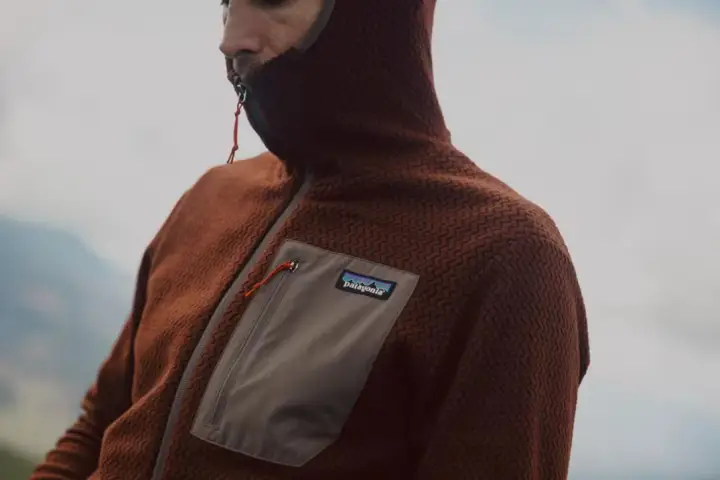
A lightweight or midweight fleece is one of the easiest layers to use on the trail.
It breathes well, dries quickly, and still provides warmth when slightly damp.
More importantly, it works across a broad temperature range.
A full zipper makes temperature control even easier. Open it during a climb, close it when the trail levels out, or remove the fleece entirely when the afternoon warms up.
The Patagonia R1 Air Full-Zip Hoody is a good example of an active fleece for cool-weather hiking.
Its breathable construction makes it especially useful when the hike alternates between strenuous climbs, shady forest, exposed terrain, and rest stops.
Rather than trying to trap as much heat as possible, this type of fleece helps strike the balance most hikers actually need while moving: warm enough without becoming sweaty.
Synthetic Insulated Jackets
When temperatures move closer to freezing, a lightweight synthetic insulated jacket can provide more warmth than fleece.
Synthetic insulation also handles damp conditions reasonably well, which makes it a useful choice for cold, unsettled fall weather.
It can work as a mid layer beneath a shell or as an outer jacket when conditions are cool and dry.
The downside is breathability.
For sustained uphill hiking, many insulated jackets become too warm fairly quickly.
They are often more comfortable during slower hiking, easy terrain, cold mornings, or rest stops.
Down Jackets
Down offers exceptional warmth for very little weight.
A lightweight down jacket can disappear into a backpack and provide welcome warmth at a cold viewpoint, during lunch, or after sunset.
Its weakness is moisture.
Traditional down loses much of its insulating ability when thoroughly wet, so it requires more care in rainy or consistently damp conditions.
For a cool, dry fall day, down can be excellent.
For steady drizzle and wet vegetation, fleece or synthetic insulation is usually easier to manage. 🍁
3. The Outer Layer: Protection From Wind and Rain
A shell might spend most of a beautiful fall hike inside your backpack.
That does not make it unnecessary.
Autumn weather can change quickly, especially in mountainous terrain, and a shell provides protection from two things that can make a comfortable hike turn cold very quickly: rain and wind.
Hardshell Jackets
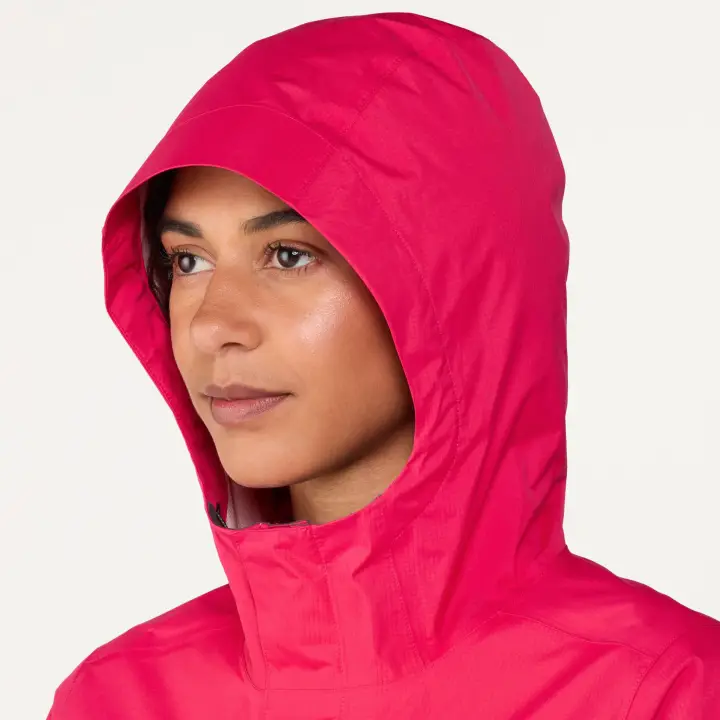
A hardshell is designed to be waterproof and windproof while allowing some moisture vapor to escape.
For general fall hiking, look for features such as:
- sealed seams
- an adjustable hood
- ventilation zippers
- adjustable cuffs
- enough room underneath for a fleece
Pit zips are particularly useful.
Even breathable waterproof fabrics can feel warm during strenuous hiking, and opening the underarm vents can release a surprising amount of heat without exposing you to rain.
The REI Co-op Rainier Rain Jacket is a practical choice for this role.
It is light enough to keep in a daypack, provides the rain protection needed when weather turns, and includes ventilation that makes it easier to manage heat during active hiking.
That combination is exactly what a fall shell should provide: protection when you need it without feeling like a heavy winter jacket.
Softshell Jackets
Softshells take a different approach.
They prioritize stretch, breathability, and wind resistance rather than full waterproof protection.
They can be excellent for active hiking in cool, mostly dry conditions.
For example, a softshell can feel much more comfortable than a waterproof jacket during hours of hiking in cold wind when there is little chance of sustained rain.
The limitation is precipitation.
Most softshells handle brief drizzle or light snow but eventually wet through during extended rain.
If only one weather-protection layer is going into the backpack, a waterproof shell is usually the more versatile fall choice. 🌧️
Material Matters: A Quick Comparison
Choosing the right fabric can matter just as much as choosing the right jacket.
| Material | Key Strengths | Key Weaknesses | Best Use Case |
|---|---|---|---|
| Merino Wool | Comfortable, manages moisture, resists odor, insulates when damp | More expensive, less durable than many synthetics | Base layers, socks, hats |
| Synthetic Fleece | Breathable, durable, quick-drying, warm when damp | Can retain odors, less compressible than down | Active mid layers |
| Synthetic Insulation | Warm, handles damp conditions well, dependable | Bulkier than down and often less breathable than fleece | Cold or damp conditions |
| Down | Excellent warmth-to-weight ratio, highly compressible | Loses much of its insulation when thoroughly wet | Cold, relatively dry conditions and rest stops |
| Cotton | Comfortable for casual use | Absorbs moisture and dries slowly | Avoid for cool-weather hiking layers |
There is no single perfect material.
What works best is combining fabrics that complement one another.
A merino base layer, breathable fleece, and lightweight waterproof shell can handle an enormous range of autumn conditions simply by changing which layers are being worn. 🌲
Building Your Fall Hiking Outfit Piece by Piece
Once the basic layering system makes sense, building the rest of the outfit becomes fairly straightforward.
Start with clothing that handles movement and moisture well, then add pieces that allow quick temperature adjustments throughout the day.
On Top: Keep It Versatile
A simple three-piece system works for a huge percentage of fall day hikes:
- Lightweight merino or synthetic base layer
- Lightweight or midweight fleece
- Packable waterproof shell
What changes is how those pieces are used.
A 42°F morning might call for the base layer and fleece.
After 20 minutes of climbing, the fleece may go into the backpack.
At a windy viewpoint, it comes back out.
If clouds arrive and the wind picks up, the shell goes over everything.
That is exactly how a layering system is supposed to work.
Do not judge the outfit by whether you wear every piece. Judge it by whether you can remain comfortable as conditions change. 🎒
On the Bottom: Usually Keep It Simpler
Legs generate a surprising amount of heat while hiking, so most people need fewer layers below the waist.
Hiking Pants
For typical fall hiking, synthetic hiking pants are hard to beat.
Look for nylon or polyester blends with some stretch.
They generally dry faster than everyday pants, move comfortably while climbing or stepping over rocks, and provide useful protection from brush, insects, wind, and cool temperatures.
Jeans are much less suitable.
Once wet, denim becomes heavy, cold, and slow to dry.
Hiking Leggings
Hiking tights or leggings can also work extremely well, especially for hikers who prefer unrestricted movement.
Choose models made for outdoor use rather than cotton everyday leggings.
More durable fabrics hold up better against rocks and branches and manage moisture more effectively.
Rain Pants
Rain pants are not necessary for every fall outing.
But if the forecast includes prolonged rain, strong wind, wet brush, or temperatures near freezing, they can become one of the most valuable pieces in the pack.
They also provide significant wind protection.
That can matter almost as much as waterproofing on exposed trails.
Base Layer Bottoms
Long underwear underneath hiking pants is generally better saved for genuinely cold conditions.
Putting thermal bottoms on too early can cause overheating and sweat—the exact problems the layering system is supposed to prevent.
For hikes around freezing or below, however, lightweight merino or synthetic bottoms can add useful warmth.
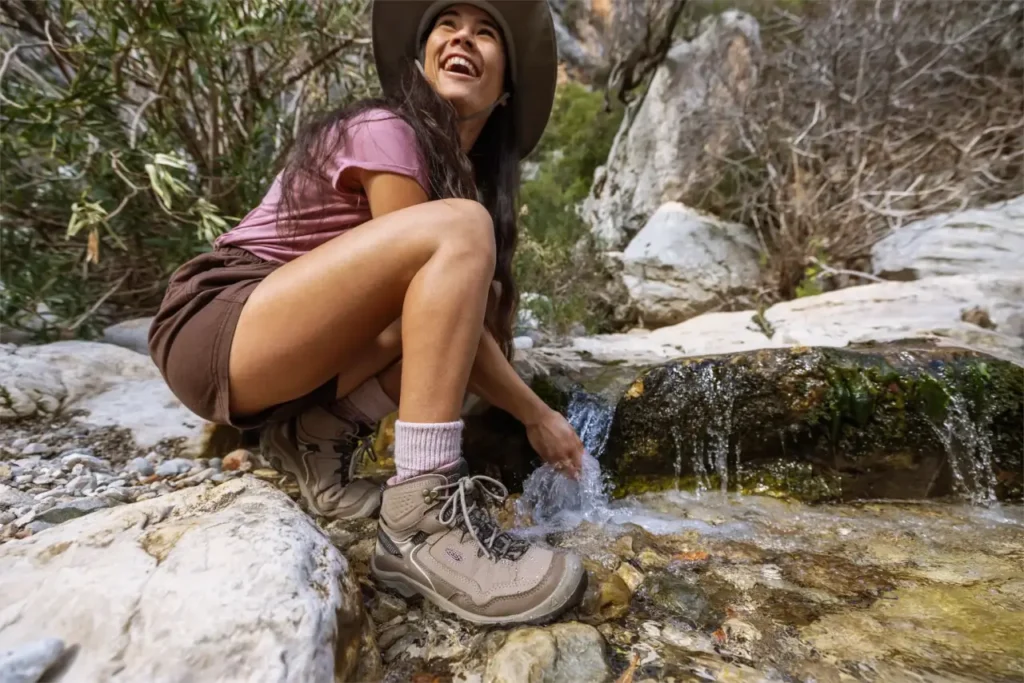
Footwear: Match the Trail, Not Just the Season
There is no rule that says fall hiking automatically requires heavy waterproof boots.
The right footwear depends on terrain and trail conditions.
Trail Runners and Hiking Shoes
Lightweight trail shoes work extremely well on maintained trails, especially during dry early-fall weather.
They breathe better than most waterproof boots, feel nimble on the trail, and are often more comfortable during long days.
For dry trails and moderate temperatures, they may be all you need.
Hiking Boots
Boots make more sense when trails are rough, muddy, rocky, or consistently wet.
They can also provide additional protection from shallow snow, cold mud, and wet vegetation.
Choose fit and comfort before focusing on features.
The best waterproof technology in the world does not matter much if the boot creates hotspots after five miles.
Waterproof or Non-Waterproof?
Waterproof footwear is particularly useful for:
- persistent rain
- muddy trails
- wet grass
- shallow snow
- repeated puddles
But waterproof shoes also breathe less effectively.
On warm, dry autumn days, non-waterproof shoes can be more comfortable and may dry faster if water does get inside.
Choose based on the conditions you expect to encounter rather than automatically reaching for waterproof boots because the calendar says October.
Socks: One Small Upgrade That Makes a Big Difference
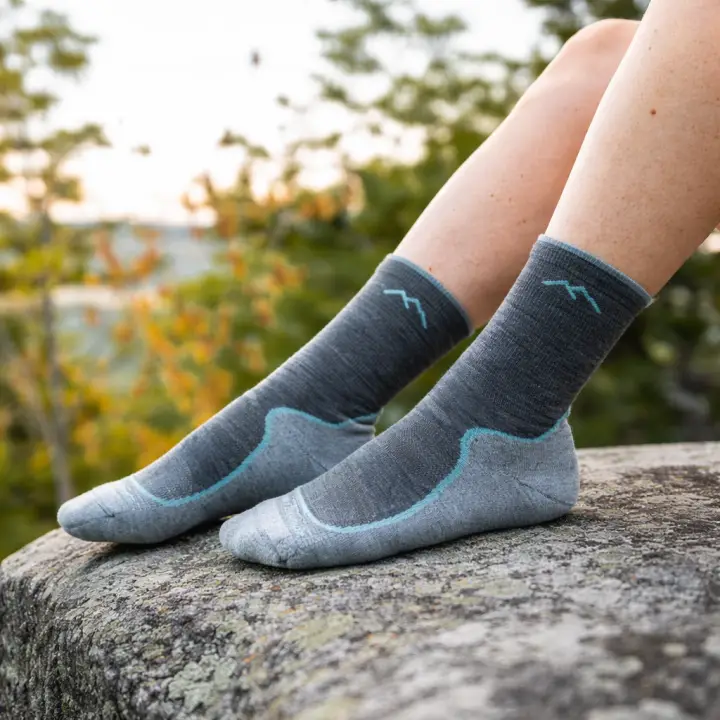
Socks are one of the simplest places to improve trail comfort.
Skip cotton and choose merino wool or synthetic hiking socks.
They manage moisture more effectively, provide cushioning where needed, and reduce the damp environment that often contributes to blisters.
The Darn Tough Hiker Micro Crew Cushion Socks are a strong all-around choice.
The merino blend helps regulate temperature and manage moisture, while the moderate cushioning works well with many hiking shoes and boots without feeling excessively bulky.
For most fall hikes, light- or midweight socks are enough.
Very thick socks are not automatically warmer if they make the footwear too tight. Compression around the foot can restrict circulation and create pressure points.
For longer outings or consistently wet weather, stash an extra pair of socks in a dry bag.
Pulling on dry socks halfway through a cold, damp day can feel remarkably luxurious. 🧦
Accessories: Small Pieces With a Big Comfort Payoff
Accessories are particularly useful in fall because they add warmth without forcing you to change your entire outfit.
Beanie
A lightweight merino or synthetic beanie takes almost no room in a backpack.
It is perfect for chilly starts, windy viewpoints, and long rest stops.
Gloves
Cold fingers can make an otherwise pleasant hike miserable.
Lightweight fleece or wool gloves are usually enough for moderate fall temperatures and weigh very little.
If cold rain is expected, consider gloves with better weather protection.
Neck Gaiter
A neck gaiter is one of the most versatile pieces of fall hiking clothing.
It can function as a neck warmer, ear covering, headband, or lightweight face covering when the wind starts cutting across an exposed ridge.
Sun Protection
Cooler temperatures do not mean weaker UV exposure.
Sunglasses, sunscreen, and a brimmed hat still belong in the pack, particularly at higher elevations and on exposed terrain.
🍂 One advantage of accessories is how easy they are to adjust. Sometimes putting on gloves and a beanie is all it takes to feel comfortable again without adding another full jacket.
Example Fall Hiking Outfits for Different Conditions
Weather rarely matches a temperature chart perfectly, but these examples provide useful starting points.
Scenario 1: The Perfect Crisp Fall Day
45–60°F, sunny and calm
Top: Lightweight long-sleeve merino or synthetic base layer
Bottom: Synthetic hiking pants or hiking leggings
Socks: Light- or midweight merino hiking socks
Footwear: Trail runners, hiking shoes, or boots depending on terrain
In the pack: Lightweight fleece, waterproof shell, and thin beanie
This is the classic autumn hiking day.
The biggest mistake is usually overdressing.
A 45°F parking lot can feel cold while tying your shoes, but that same temperature may feel completely different after climbing steadily for 15 minutes.
Starting slightly cool usually leads to a much more comfortable first hour on the trail.
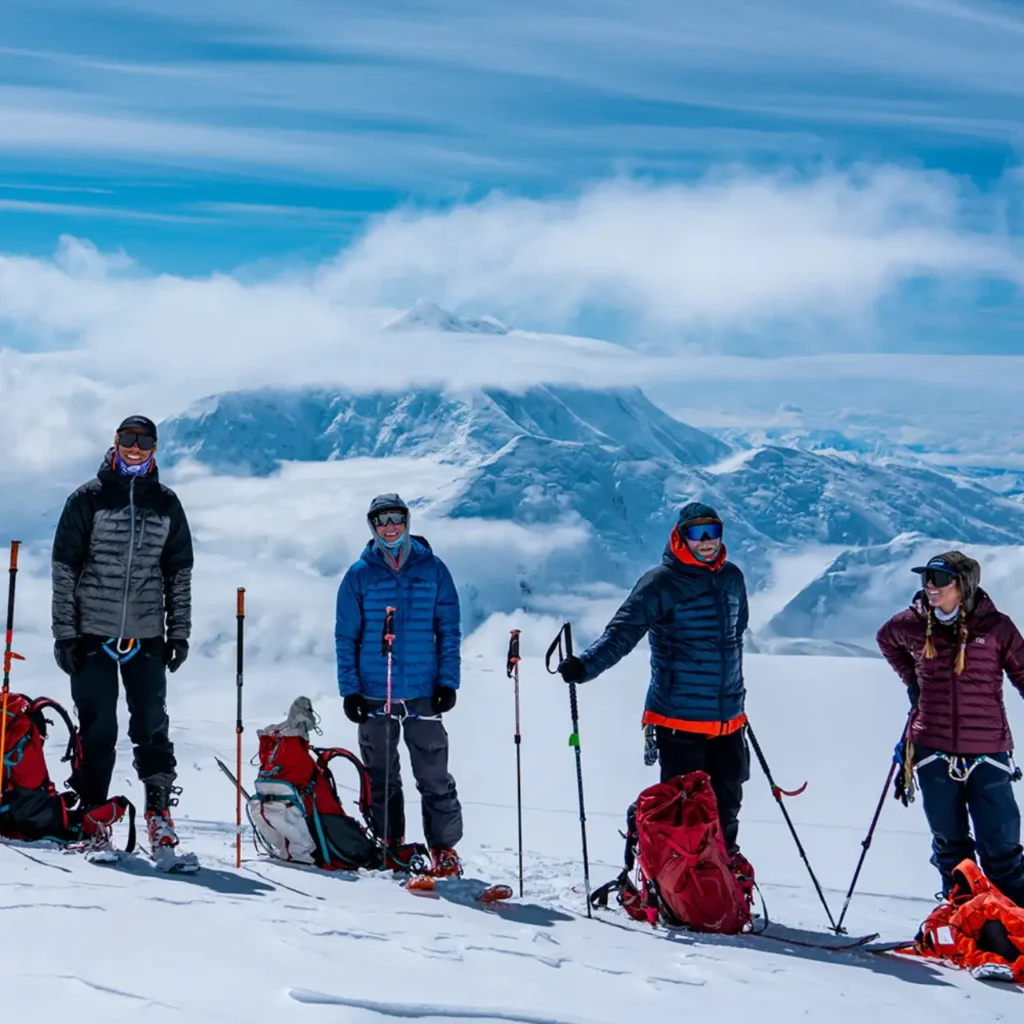
Scenario 2: The Windy Ridge
35–50°F, dry but windy
Top: Lightweight base layer + breathable fleece
Outer layer: Shell for wind protection
Bottom: Synthetic hiking pants
Socks: Midweight wool hiking socks
Footwear: Hiking shoes or boots suited to the trail
Accessories: Lightweight gloves, beanie, and neck gaiter
Wind often matters more than the thermometer.
A fleece that feels perfectly comfortable in the forest may suddenly feel inadequate when the trail reaches an open ridge.
Instead of immediately reaching for a heavier insulated jacket, put the shell over the fleece.
Blocking the wind often creates all the extra warmth needed without adding much bulk.
Scenario 3: Damp and Chilly
30–45°F, cloudy with drizzle
Top: Lightweight or midweight base layer + fleece or synthetic insulation
Outer layer: Waterproof shell
Bottom: Hiking pants with rain pants available
Socks: Midweight merino socks plus a dry spare pair
Footwear: Waterproof hiking shoes or boots
Accessories: Beanie and weather-resistant gloves
Moisture management becomes especially important here. 🌧️
It is possible to become soaked from sweat underneath a waterproof jacket even while staying completely dry from the rain.
Use ventilation before overheating becomes a problem.
Open pit zips, loosen the front zipper when conditions allow, remove the insulating layer during steep climbs, or slow your pace slightly.
Staying comfortable in wet weather requires managing moisture from both directions.
Scenario 4: Freezing Morning, Mild Afternoon
32–60°F with a large temperature swing
This is classic shoulder-season weather.
At the trailhead: Base layer + fleece + beanie
During the climb: Base layer, with the fleece packed away
At viewpoints: Add fleece or shell as necessary
During lunch: Add warmth before getting chilled
Late afternoon: Expect layers to come back out as sunlight disappears
The key here is backpack space.
If there is nowhere convenient to store extra layers, there is a tendency to leave them on too long and become sweaty.
A slightly larger daypack can actually make temperature regulation easier.
How to Manage Layers While Hiking
Packing the right clothes is only half of the equation.
Knowing when to change them matters just as much.
Start Slightly Cool
You do not need to shiver at the trailhead, but you also should not feel cozy enough to stand around indefinitely.
Once hiking begins, your body produces heat quickly.
If you start a steep climb already wearing your warmest combination, overheating is almost inevitable.
Remove Layers Early
Do not wait until sweat is running down your back.
When you notice yourself getting noticeably warm, make the adjustment.
Take off the fleece.
Open the zipper.
Roll up the sleeves.
Vent the shell.
A 30-second clothing change can prevent hours of hiking in damp layers later.
Add Warmth Before Getting Cold
The opposite applies during stops.
If lunch is going to take 20 minutes, put the fleece on shortly after stopping instead of waiting until you start shivering.
Once your body stops generating heat from movement, it can cool surprisingly quickly.
Keep Important Layers Accessible
The jacket most likely to be needed suddenly should not be buried underneath everything else in the backpack.
Keep the rain shell, gloves, and other frequently adjusted layers near the top or in an easy-access pocket.
🎒 A good layering system should feel easy to use. If changing clothing becomes a major operation every time the temperature shifts, the pack probably needs better organization.
What to Pack for a Fall Day Hike
The exact kit depends on location and weather, but a versatile fall clothing setup might include:
- lightweight merino or synthetic base layer
- synthetic hiking pants or leggings
- breathable fleece
- waterproof shell
- merino or synthetic hiking socks
- hiking shoes or boots appropriate for the trail
- lightweight gloves
- beanie
- neck gaiter
- sunglasses
- sun hat
- sunscreen
For colder or wetter conditions, add:
- lightweight insulated jacket
- rain pants
- spare dry socks
- base layer bottoms
The idea is not to pack every possible clothing item.
It is to carry enough versatility to handle the realistic range of conditions expected during the hike.
Final Tips for Getting Fall Hiking Outfits Right
Check the Forecast at Trail Elevation
Weather in the nearest town may tell you very little about conditions several thousand feet higher.
Look for forecasts that reflect the elevation and exposure of the actual trail whenever possible.
Pay Attention to Wind
A sunny forecast can still mean a very cold ridge.
Wind changes how temperature feels and increases heat loss dramatically, particularly when clothing is damp.
Consider What Time You’ll Finish
Afternoon warmth disappears quickly after sunset.
A hike that begins comfortably at noon can feel completely different during the last mile back to the car.
Carry enough insulation for the coldest realistic part of the day, not just the warmest.
Don’t Over-Insulate Your Legs
Hikers frequently need more warmth on the torso than on the legs.
Overly warm pants or thermal bottoms can lead to unnecessary sweating during active hiking.
Keep a Dry Layer Dry
On particularly wet or cold outings, protect a spare insulating piece or socks inside a waterproof bag.
Having something genuinely dry available can make a huge difference if the clothing being worn becomes soaked.
Adjust Constantly
There is no prize for completing the entire hike in exactly the same clothing combination.
Successful fall layering often means changing something several times during the day.
That isn’t inconvenient.
That is the system working. 🍁
Fall hiking becomes much easier once clothing is treated as adaptable equipment rather than a fixed outfit.
Start with a moisture-managing base layer, add breathable insulation when needed, keep reliable weather protection in the pack, and make small adjustments before becoming excessively hot or cold.
With that system dialed in, there is much less reason to think about clothing at all.
Instead, attention can stay where it belongs: crisp air, colorful forests, quieter trails, cool ridgelines, and the unmistakable sound of dry leaves crunching beneath your boots.
Frequently Asked Questions
Is it really that bad to wear a cotton T-shirt for a fall hike?
Cotton is not a good choice for cool-weather hiking because it absorbs moisture and dries slowly.
A shirt that becomes soaked with sweat during a climb can remain damp against your skin during rest stops or colder sections of trail.
Merino wool and synthetic fabrics manage moisture much more effectively.
Do I need a rain jacket if there is no rain in the forecast?
For many fall hikes, carrying a lightweight shell is still worthwhile.
A rain jacket also works as a wind barrier, which can be extremely useful on exposed ridges, summits, and colder descents.
It may stay in your pack all day—and that is perfectly fine.
The point is having weather protection available if conditions change.
What’s the difference between a softshell and a hardshell jacket?
A hardshell prioritizes protection from wind and precipitation. It is generally waterproof and is the better option for sustained rain.
A softshell prioritizes breathability, stretch, and comfort during active movement. Most resist wind and light precipitation but are not designed for prolonged rain.
For a single all-purpose weather layer on unpredictable fall hikes, a lightweight hardshell is generally more versatile.
Is fleece or a puffy better for fall hiking?
For active hiking in moderate fall temperatures, fleece is often easier to regulate because it breathes well.
A lightweight insulated jacket provides more warmth and is particularly useful in colder temperatures, during slower hiking, or when spending longer periods standing still.
On cold outings, carrying both can work well: fleece while moving and the puffy during stops.
Should fall hiking boots always be waterproof?
No.
Waterproof footwear makes the most sense when trails are consistently wet, muddy, snowy, or covered in soaked vegetation.
In dry conditions, non-waterproof shoes generally breathe better.
Choose footwear based on the trail and forecast rather than the season alone.
How thick should hiking socks be in fall?
For most autumn hikes, light- or midweight hiking socks work well.
Choose a thickness that provides enough cushioning and warmth without making the footwear tight.
Heavier socks can help in colder conditions, but only if the boots or shoes have enough room to accommodate them comfortably.
When should base layer bottoms be worn?
Base layer bottoms become most useful when temperatures approach or fall below freezing, especially during slower hikes or prolonged exposure to wind.
For moderate temperatures and active hiking, regular synthetic hiking pants often provide enough warmth on their own.
How many layers should be carried on a fall hike?
For the upper body, three functional layers cover a broad range of conditions:
- moisture-wicking base layer
- insulating mid layer
- weather-protective shell
You do not need to wear all three simultaneously.
Their value comes from being able to combine them differently as temperatures, weather, and activity level change.
Affiliate Disclosure: GearForTheOutdoors.com participates in affiliate programs, including REI, Amazon, REI Outlet, Garage Grown Gear, evo, and other trusted partners. When you purchase through our links, a small commission may be earned at no extra cost to you. That helps support the content and keeps recommendations useful, practical, and free.
Disclaimer: This post is for informational purposes only. Always verify current product details, fit, availability, safety information, and manufacturer warranties before purchase or use. Outdoor conditions and gear performance can vary depending on setup, weather, terrain, and experience level.