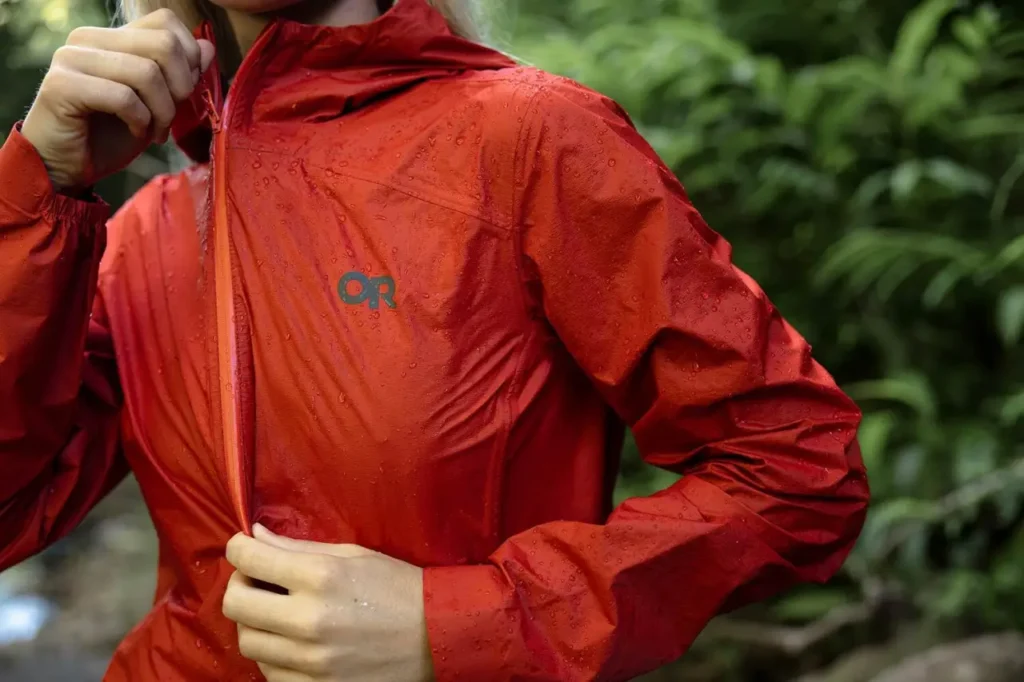
A good hiking rain jacket is one of those pieces of gear that may sit quietly in a pack for most of the day — until suddenly it becomes the most important thing being carried.
Rain can roll in fast on the trail. A warm morning can turn windy by the ridge. A light mist can become a steady downpour halfway back to the trailhead. And once clothing starts soaking through, even a simple hike can feel cold, slow, and uncomfortable. 🌧️
The best rain jackets for hiking do more than block water. They help manage sweat, cut wind, fit over trail layers, move well with a backpack, and pack small enough that carrying one does not feel like a burden.
That balance matters. A jacket that is too heavy may get left at home. A jacket that is too minimal may not feel comfortable in real rain. A jacket with poor ventilation can leave a hiker damp from sweat even when the rain never gets through.
This guide focuses on practical trail use: reliable rain shells for day hiking, backpacking, wet-weather travel, shoulder-season hikes, and unpredictable mountain weather. Some picks are light and packable. Some are tougher and more protective. Some are best for hikers who run warm and need extra airflow.
The goal is simple: help match the right rain jacket to the way the trail is actually used.
Our Top Hiking Rain Jackets: A Quick Look
| Jacket | Category | Why It Stands Out | Price Tier |
|---|---|---|---|
| Patagonia Torrentshell 3L Jacket | Best Overall for Most Hikers | Durable 3-layer protection, useful ventilation, good value, and a dependable trail feel. | $$ |
| REI Co-op Rainier Rain Jacket | Best Budget Pick | Affordable waterproof protection with pit zips and everyday trail versatility. | $ |
| Arc’teryx Beta Jacket | Best Premium Shell | Refined fit, strong weather protection, and a clean design for serious wet-weather use. | $$$$ |
| Outdoor Research Helium UL Jacket | Best Ultralight Emergency Shell | Very light, highly packable, and ideal when rain protection needs to stay minimal. | $$$ |
| REI Co-op XeroCloud 3L Rain Jacket | Best Backpacking Value | A step-up 3-layer shell with stretch, pit zips, and a trail-ready feature set. | $$ |
| Outdoor Research Foray 3L Jacket | Best for Ventilation | Excellent airflow and comfort for hikers who run warm in wet conditions. | $$$ |
How to Choose the Best Rain Jacket for Hiking
Choosing a hiking rain jacket is not just about finding something waterproof. Almost every rain shell claims to block rain. The bigger question is how well it works while hiking.
A good trail shell needs to handle motion, sweat, wind, backpack straps, shifting temperatures, and long hours in changing weather. It should be protective enough for the conditions but comfortable enough that it actually gets worn when rain starts.
A hiker in the desert Southwest may only need a light emergency shell for surprise storms. A backpacker in the Pacific Northwest may need a tougher jacket that can handle hours of steady rain. A beginner day hiker may care most about price and simplicity. A fast hiker may care more about breathability and ventilation. 🥾
The best choice depends on how, where, and how often the jacket will be used.
Waterproof vs. Water-Resistant
This is the first distinction to get right.
Water-resistant jackets can handle light drizzle, mist, or short exposure to moisture. They are often comfortable, breathable, and easy to wear in mild conditions. But in steady rain, they eventually soak through.
Waterproof jackets are built for sustained rain. They use a waterproof membrane or coating, sealed seams, and protective design details to keep water from passing through the fabric.
For hiking, a true waterproof rain jacket is usually the smarter choice. A windbreaker or softshell can be useful in cool, breezy weather, but once the forecast includes real rain, a waterproof shell belongs in the pack.
The key is remembering that “waterproof” does not automatically mean “comfortable.” That is where fabric construction, ventilation, fit, and packability become important.
Understanding Waterproof/Breathable Fabrics
Modern hiking rain jackets are designed to solve two problems at the same time: keep rain out and let body heat escape.
That is harder than it sounds.
During a climb, the body produces heat and sweat. If that moisture cannot escape, the inside of the jacket can start feeling damp even when no rain has leaked through. That is why breathability and ventilation matter so much.
Most hiking rain jackets fall into three basic construction types:
2-layer jackets have a waterproof layer attached to the outer fabric, usually with a separate inner liner. They can feel comfortable for casual use but are often bulkier and less packable.
2.5-layer jackets are common in lightweight rain shells. They use an outer fabric, a waterproof/breathable layer, and a thin protective inner coating. These jackets often pack well and cost less than premium shells, but they can feel a little clammy during warm or humid hikes.
3-layer jackets sandwich the waterproof membrane between an outer fabric and an inner backer. This usually creates a more durable, comfortable, and trail-worthy jacket. For frequent hiking, backpacking, or sustained wet weather, 3-layer shells are often worth the upgrade. 🌲
Brand names like GORE-TEX, H2No, HydroWall, AscentShell, and others can be helpful, but the membrane alone does not tell the whole story. Fit, venting, fabric feel, hood design, pocket placement, and weight often matter just as much on trail.
Key Features to Look For
A rain jacket can have excellent waterproof fabric and still feel frustrating if the details are wrong.
A protective hood is essential. A good hiking hood should adjust securely, move naturally with the head, and have enough structure to keep rain out of the eyes. A floppy hood becomes annoying fast in wind.
Pit zips or side vents are extremely useful for hiking. Waterproof fabrics can breathe, but they cannot always keep up during steep climbs. Mechanical ventilation lets hot air escape quickly without fully removing the jacket.
Backpack-friendly pockets make a difference. Low hand pockets can get blocked by a hipbelt. Higher pockets or chest pockets are easier to use while wearing a pack.
Adjustable cuffs and hem help seal out wind-driven rain. They also make it easier to manage airflow when conditions shift.
Packability matters because a rain jacket often spends more time inside a pack than on the body. If it is too bulky, it may get left behind.
Durability matters if the jacket will be used under backpack straps, on rocky trails, around brush, or on multi-day trips. Ultralight jackets are great for saving weight, but thinner fabrics require more care.
The Best Rain Jackets for Hiking: In-Depth Reviews
Each rain jacket below makes sense for a different kind of hiker. Some are best for everyday trail use. Some are better for backpacking. Some are built for minimal weight. Others are designed for comfort in wet, sweaty conditions.
Patagonia Torrentshell 3L Jacket
Best Overall for Most Hikers
The Patagonia Torrentshell 3L is the kind of rain jacket that makes sense for a wide range of hikers because it gets the fundamentals right. It is waterproof, durable, reasonably packable, and built with enough trail features to handle more than a quick walk in the rain.
The biggest strength is balance. The Torrentshell is not the lightest jacket in this guide, and it is not the softest or most premium-feeling shell. But it offers the kind of dependable 3-layer protection that works for day hikes, backpacking trips, camping weekends, travel, and everyday stormy weather.
That makes it especially useful for hikers who want one rain jacket instead of a closet full of specialized shells.
On trail, the Torrentshell feels most at home in real weather: steady rain, cool wind, wet forest hikes, exposed viewpoints, and long descents where staying dry matters. The 3-layer construction gives it a sturdier feel than many thinner emergency shells, while pit zips help release heat when the trail starts climbing. 🌧️
The hood is protective enough for hiking in wind and rain, and the jacket packs into its own pocket, which makes it easier to stash in a daypack or travel bag. The fabric can feel a little stiff compared with more expensive shells, but that tradeoff is easy to accept for the protection and value.
For most hikers, this is the safest all-around pick.
| Spec | Detail |
|---|---|
| Fabric | 3-layer H2No waterproof/breathable construction |
| Weight | Midweight hiking shell category |
| Ventilation | Pit zips |
| Pockets | Zippered hand pockets |
| Best Use | Day hiking, backpacking, camping, travel, everyday rain protection |
Pros:
- Strong all-around weather protection
- Durable 3-layer construction
- Pit zips help manage heat on climbs
- Packs into its own pocket
- Good value for a true trail-ready rain shell
Cons:
- Not as light as ultralight emergency jackets
- Can feel a little crinkly compared with premium shells
- May feel warm during humid, high-output hiking
Who It’s Best For:
Most hikers who want one reliable rain jacket for day hikes, backpacking, camping, travel, and unpredictable weather.
Who Should Skip It:
Ultralight hikers may prefer the Outdoor Research Helium UL. Hikers who want a more premium fit and feel may prefer the Arc’teryx Beta.
REI Co-op Rainier Rain Jacket
Best Budget Pick
The REI Co-op Rainier is a practical rain jacket for hikers who want reliable protection without spending premium-shell money. It is simple, useful, and feature-rich for the price.
This is a strong pick for beginner hikers, casual day hikers, car campers, road trippers, and anyone building an outdoor kit on a budget. It handles the core job well: keeping rain and wind off the body when the weather turns.
The Rainier is not trying to be a high-end backpacking shell. It is a dependable, no-fuss jacket for everyday trail conditions. That makes it easier to recommend for hikers who need something affordable but still want trail-friendly details like pit zips, secure pockets, and an adjustable hood.
The pit zips are the standout feature at this price. On a damp climb, they make a real difference. Opening them can help prevent that steamy, overheated feeling that cheaper rain jackets often create. 🥾
The Rainier is also useful beyond hiking. It works for campground chores, rainy travel days, dog walks, windy overlooks, and keeping in the car for surprise storms. It is a good reminder that outdoor gear does not always need to be expensive to be useful.
The tradeoff is refinement. It is not as breathable, packable, or comfortable as more expensive 3-layer jackets. But for the price, it covers the basics very well.
| Spec | Detail |
|---|---|
| Fabric | 2.5-layer waterproof/breathable construction |
| Weight | Midweight budget rain shell category |
| Ventilation | Pit zips |
| Pockets | Zippered pockets |
| Best Use | Day hiking, camping, travel, beginner outdoor kits |
Pros:
- Excellent value
- Waterproof and wind-blocking protection
- Pit zips are a major plus at this price
- Good choice for beginner hikers
- Useful for hiking, camping, travel, and everyday rain
Cons:
- Less breathable than higher-end shells
- Not as durable or refined as premium jackets
- Bulkier than ultralight options
Who It’s Best For:
Budget-conscious hikers, beginners, casual day hikers, car campers, and anyone who wants a dependable rain shell without overspending.
Who Should Skip It:
Frequent backpackers or hikers in consistently wet climates may appreciate the durability and comfort of a 3-layer jacket like the Patagonia Torrentshell 3L or REI Co-op XeroCloud 3L.
Arc’teryx Beta Jacket
Best Premium Shell
The Arc’teryx Beta is the premium pick for hikers who want a cleaner, more refined rain shell that can handle serious weather without feeling bulky or overbuilt.
This jacket is not about flashy features. Its strength is the way everything feels dialed in: the fit, hood, weather protection, fabric quality, and movement. It is the kind of shell that feels especially useful in exposed terrain, shoulder-season hiking, alpine travel, and wet climates where rain protection is not optional.
For hikers who spend a lot of time outdoors, those details matter. A good hood stays put in wind. A good fit layers over a fleece without feeling sloppy. A good shell protects from rain without becoming a stiff, awkward outer layer.
The Beta is expensive, and that price will not make sense for everyone. Many hikers will be perfectly happy with the Patagonia Torrentshell 3L or REI Co-op Rainier. But for those who want a premium jacket that can work for hiking, travel, stormy commutes, and mountain weather, the Beta has a polished feel that cheaper jackets usually do not match. 🌲
It is best viewed as a long-term shell for people who will actually use it often.
| Spec | Detail |
|---|---|
| Fabric | GORE-TEX waterproof/breathable construction |
| Weight | Premium midweight shell category |
| Ventilation | Model-dependent design |
| Pockets | Zippered hand pockets |
| Best Use | Hiking, alpine trails, wet travel, exposed weather, frequent outdoor use |
Pros:
- Excellent weather protection
- Refined fit and construction
- Strong choice for exposed trail conditions
- Versatile enough for hiking, travel, and everyday storm use
- Premium feel without unnecessary bulk
Cons:
- Very expensive
- More jacket than many casual hikers need
- Budget options offer enough protection for most day hikes
Who It’s Best For:
Frequent hikers, mountain travelers, wet-weather hikers, and anyone who wants a premium shell with a clean fit and dependable protection.
Who Should Skip It:
Beginner hikers, casual day hikers, and budget-focused shoppers will likely get better value from the REI Rainier or Patagonia Torrentshell 3L.
Check Price at REI | Check Price on Amazon
Outdoor Research Helium UL Jacket
Best Ultralight Emergency Shell
The Outdoor Research Helium UL is built for hikers who want rain protection with as little weight and bulk as possible. It is the shell to pack when the forecast is uncertain, the route is long, and every ounce matters.
This jacket is best understood as a minimalist emergency layer. It is not designed to feel luxurious in hours of cold rain. It is designed to stay out of the way until it is needed.
That makes it a strong option for summer day hikes, fast-and-light backpacking, trail running, travel, and peak-bagging routes where weather can shift quickly. It packs small, weighs very little, and provides the kind of backup protection that is easy to justify carrying.
The tradeoff is comfort during high-output hiking. The Helium UL does not have pit zips, and storage is minimal. During a steep climb in warm rain, heat can build inside quickly. That is normal for ultralight rain shells, but it is important to understand before choosing this as a primary wet-weather jacket. 🌧️
For hikers who want one rain jacket for long backpacking trips in wet climates, a more durable 3-layer shell is probably the better choice. But for those who prioritize low weight and compact storage, the Helium UL is one of the most appealing options.
| Spec | Detail |
|---|---|
| Fabric | Lightweight waterproof/breathable shell fabric |
| Weight | Ultralight category |
| Ventilation | No pit zips |
| Pockets | Minimal pocket design |
| Best Use | Ultralight hiking, trail running, fast day hikes, emergency rain protection |
Pros:
- Extremely light and packable
- Easy to carry on uncertain-weather hikes
- Good emergency protection
- Works well for fast-and-light outdoor use
- Takes up very little room in a daypack
Cons:
- No pit zips
- Minimal storage
- Less comfortable for long periods of steady rain
- Not ideal as a rugged backpacking shell
Who It’s Best For:
Ultralight hikers, trail runners, fast day hikers, summer backpackers, and anyone who wants a compact emergency rain layer.
Who Should Skip It:
Hikers expecting steady rain, humid climbs, heavy pack use, or rougher trail conditions should consider the Patagonia Torrentshell 3L, REI Co-op XeroCloud 3L, or Outdoor Research Foray 3L.
Check Price at REI | Check Price on Amazon
REI Co-op XeroCloud 3L Rain Jacket
Best Backpacking Value
The REI Co-op XeroCloud 3L is a smart step-up jacket for hikers who want more than a basic budget shell but do not want to pay premium alpine-shell prices.
It makes the most sense for backpacking, longer day hikes, shoulder-season trails, and wet-weather trips where comfort matters over several hours. The 3-layer construction gives it a more trail-ready feel than entry-level rain jackets, while the stretch helps it move more naturally with a pack on.
That stretch is not just a nice extra. It matters when reaching for trekking poles, tightening shoulder straps, climbing over wet rocks, or pulling a hood over a cap. A rain jacket that moves with the body feels less restrictive and is more likely to stay on when conditions get messy. 🏕️
The XeroCloud also includes the kind of features hikers appreciate during real trail use: pit zips for ventilation, a protective hood, and a packable design. It feels like a jacket built for people who hike often enough to care about performance but still want good value.
It is more jacket than a casual walker needs, and ultralight hikers may still choose something smaller. But for backpackers and frequent hikers, the XeroCloud hits a useful middle ground.
| Spec | Detail |
|---|---|
| Fabric | 3-layer waterproof/breathable construction |
| Weight | Midweight backpacking shell category |
| Ventilation | Pit zips |
| Pockets | Packable pocket design |
| Best Use | Backpacking, day hiking, heavy rain, shoulder-season trail use |
Pros:
- Strong value for a 3-layer hiking shell
- Stretch improves comfort and movement
- Pit zips help manage heat under a pack
- Good choice for backpacking and longer hikes
- More trail-capable than many budget rain jackets
Cons:
- More expensive than entry-level rain jackets
- Not as light as ultralight emergency shells
- May be unnecessary for casual short hikes
Who It’s Best For:
Backpackers, frequent hikers, and anyone who wants a more comfortable, protective, and trail-focused rain jacket without jumping to premium pricing.
Who Should Skip It:
Casual hikers can save money with the REI Rainier. Minimalists and trail runners may prefer the Outdoor Research Helium UL.
Outdoor Research Foray 3L Jacket
Best for Ventilation
The Outdoor Research Foray 3L is a strong choice for hikers who run warm, hike in humid conditions, or hate feeling trapped inside a rain shell.
This jacket is built around an important truth: staying dry on trail is not only about rain coming from the outside. Sweat can become just as much of a problem. On steep climbs, warm forest trails, and backpacking routes with frequent elevation gain, moisture can build inside a jacket quickly.
That is where the Foray 3L makes sense. It offers reliable weather protection while giving hikers more ways to manage airflow. The result is a jacket that feels better during active use, especially when the weather is wet but the body is still working hard.
This is not the cheapest rain jacket in the guide, and it is not the lightest. Its value is comfort during wet, high-output hiking. For hikers who often unzip, vent, re-zip, and adjust layers throughout the day, that comfort can matter a lot. 🌲
The Foray 3L is especially appealing for backpackers in humid climates, hikers who sweat easily, and anyone who wants stronger ventilation than a basic shell provides.
| Spec | Detail |
|---|---|
| Fabric | 3-layer waterproof/breathable construction |
| Weight | Midweight hiking shell category |
| Ventilation | Ventilation-focused design |
| Pockets | Zippered pockets |
| Best Use | Humid hiking, backpacking, wet climbs, high-output trail days |
Pros:
- Excellent choice for hikers who run warm
- Strong ventilation for active hiking
- 3-layer protection for wet conditions
- Comfortable for backpacking and longer trail days
- Good balance of weather protection and airflow
Cons:
- More expensive than budget shells
- Not as compact as ultralight options
- Ventilation features may be unnecessary for casual use
Who It’s Best For:
Hikers who run hot, backpackers in humid climates, and anyone who wants a rain jacket that handles sweat better during wet climbs.
Who Should Skip It:
Budget-focused hikers may prefer the REI Rainier. Ultralight hikers may prefer the Outdoor Research Helium UL.
Check Price at REI | Check Price on Amazon
Rain Jacket Care and Maintenance
A hiking rain jacket needs basic care to keep performing well. Dirt, sweat, sunscreen, body oils, campfire smoke, and trail grime can all interfere with waterproof/breathable fabrics and surface water repellency.
The first sign is usually “wetting out.” Instead of beading up and rolling off, water starts spreading into the outer fabric. The jacket may still be waterproof underneath, but it can feel heavier, colder, and less breathable.
Wash the jacket when it starts feeling dirty or less breathable.
Use a technical wash made for waterproof outdoor clothing. Standard detergent can leave residue that reduces performance.
Refresh the DWR when water stops beading.
DWR stands for Durable Water Repellent. It is the finish that helps water bead on the surface. When that finish wears down, the jacket needs care.
Use low heat only when the care label allows it.
Some DWR finishes can be reactivated with gentle dryer heat, but care instructions vary by jacket.
Reapply DWR when needed.
If washing and gentle heat do not restore beading, use a spray-on or wash-in DWR treatment designed for technical rainwear.
A clean, well-maintained jacket feels better, breathes better, and handles wet weather more effectively. That is especially noticeable on long damp hikes when every layer needs to work properly. 🌧️
Final Thoughts
The best rain jacket for hiking is not always the most expensive one. It is the one that fits the way the trail is used.
For most hikers, the Patagonia Torrentshell 3L is the best overall choice because it offers dependable 3-layer protection, useful ventilation, good durability, and a fair price. It works for day hiking, backpacking, camping, travel, and general wet-weather use.
The REI Co-op Rainier is the best budget pick for hikers who want reliable rain protection without overspending. It is practical, affordable, and feature-rich enough for casual trail use.
The Arc’teryx Beta is the premium option for hikers who spend a lot of time in wet or exposed conditions and want a refined, long-term shell.
For more specific needs, the Outdoor Research Helium UL is the best ultralight emergency layer, the REI Co-op XeroCloud 3L is a strong backpacking value, and the Outdoor Research Foray 3L is the best choice for hikers who prioritize ventilation.
A rain jacket does not need to make bad weather exciting. It just needs to keep the hike comfortable, safe, and manageable when the sky changes.
Pack the right shell, keep it maintained, and rainy trail days become much easier to handle.
Frequently Asked Questions (FAQ)
What is the best rain jacket for hiking overall?
The Patagonia Torrentshell 3L is one of the best overall rain jackets for most hikers because it balances waterproof protection, durability, ventilation, packability, and price. It is protective enough for real trail weather without feeling overly specialized or overly expensive.
Is a 3-layer rain jacket better for hiking?
A 3-layer rain jacket is usually better for frequent hiking, backpacking, and sustained wet weather. The construction tends to feel more durable, comfortable, and protective than many lighter 2.5-layer jackets. For casual day hikes or emergency use, a 2.5-layer jacket can still be a good choice.
Are pit zips important on a hiking rain jacket?
Pit zips are very helpful, especially during climbs, humid weather, backpacking, or faster hiking. Waterproof fabrics can only breathe so much. Pit zips allow hot air to escape quickly, which helps reduce sweat buildup inside the jacket.
Is GORE-TEX always the best rain jacket material?
GORE-TEX is trusted and reliable, but it is not the only good waterproof/breathable option. Many modern in-house fabrics from outdoor brands also perform well. The best jacket depends on fit, comfort, ventilation, durability, weight, and intended use — not just the membrane name.
What is the difference between a rain jacket and a hardshell?
A rain jacket is the broader category and can include lightweight shells, budget jackets, and everyday waterproof layers. A hardshell usually refers to a more durable technical shell built for harsher weather, frequent use, alpine terrain, backpacking, skiing, or mountaineering.
Can a hiking rain jacket be used as a windbreaker?
Yes. Most waterproof hiking rain jackets block wind well, which makes them useful on exposed ridges, windy overlooks, cool campsites, and shoulder-season hikes. A dedicated wind jacket may breathe better, but a rain jacket offers stronger weather protection.
Should a rain jacket fit loose or snug?
A hiking rain jacket should fit comfortably over a base layer and light midlayer without feeling baggy. There should be enough room to move arms, wear a backpack, and adjust layers. A jacket that is too tight can restrict movement and make layering uncomfortable.
How often should a rain jacket be washed?
A rain jacket should be washed when it looks dirty, starts feeling clammy, loses breathability, or stops beading water well. Frequent hikers may need to wash rainwear several times per season. Occasional users may only need to wash it once or twice a year.
Why does a rain jacket stop beading water?
The outer DWR finish wears down over time from dirt, sweat, abrasion, and regular use. When that happens, water spreads into the outer fabric instead of beading on the surface. The jacket may still block rain, but it can feel colder, heavier, and less breathable.
Is an ultralight rain jacket enough for hiking?
An ultralight rain jacket is enough for many summer hikes, fast day trips, trail runs, and emergency use. For frequent backpacking, heavy rain, brushy trails, or colder wet conditions, a more durable 3-layer shell is usually more comfortable and dependable.
Can a ski jacket be used for hiking in the rain?
A ski jacket can work in a pinch, but it is usually not ideal for hiking. Ski jackets are often heavier, warmer, bulkier, and less packable than hiking rain shells. They can cause overheating quickly on climbs.
What is the best budget rain jacket for hiking?
The REI Co-op Rainier is one of the best budget rain jackets for hiking because it offers waterproof protection, wind resistance, pit zips, practical pockets, and a trail-ready design at a more accessible price.
Affiliate Disclosure: GearForTheOutdoors.com participates in affiliate programs, including REI, Amazon, REI Outlet, Garage Grown Gear, evo, and other trusted partners. When a purchase is made through links on this site, GearForTheOutdoors.com may earn a small commission at no extra cost to the buyer. That support helps keep the content useful, practical, and free.
Disclaimer: This post is for informational purposes only. Always verify current product details, fit, availability, safety information, and manufacturer warranties before purchase or use. Outdoor conditions and gear performance can vary depending on setup, weather, terrain, and experience level.