Car camping is one of the best ways to get outside without turning the whole weekend into a logistics puzzle.
You don’t have to count every ounce. You don’t have to eat sad trail meals unless that’s your thing. And you don’t need to be an expert to have a comfortable, well-organized campsite. With the right setup, a simple weekend trip can feel like a real reset: fresh air, a warm sleeping bag, coffee at sunrise, and a camp chair waiting by the fire. 🏕️
But car camping also has a funny way of exposing the little things you forgot.
A missing headlamp makes every nighttime bathroom walk annoying. A forgotten can opener can ruin the easiest dinner in the cooler. A thin sleeping pad can make a mild night feel surprisingly cold. And if everything is tossed loose into the back of the car, the first hour at camp can turn into digging, unpacking, and wondering where the stove fuel went.
That’s why a good car camping packing list matters.
This guide is built for real weekend camping: state parks, national forest campgrounds, lakeside sites, desert pullouts, family campgrounds, and casual two-night trips where the car is close by. It covers the essentials, the comfort upgrades that actually make sense, and the small items that are easy to forget but painful to go without.
Use it as a master checklist. Bring what fits the trip. Skip what doesn’t. The goal isn’t to pack the entire garage — it’s to arrive with the right gear, set up smoothly, and enjoy the weekend without constantly saying, “I wish we brought…”
Before You Pack: The 5-Minute Pre-Trip Check
Before throwing bins into the car, take a few minutes to think through the actual trip. A smart packing list changes depending on the campsite, weather, group size, and how much comfort you want.
Check the full forecast, not just the daytime high.
A campground can feel warm and easy in the afternoon, then drop fast after sunset. Look at overnight lows, wind, rain, humidity, and elevation. A 72°F day can still mean a 38°F morning if you’re camping in the mountains or desert.
Look up campsite amenities.
Does the site have a picnic table? Potable water? Bathrooms? A fire ring? A bear box? Shade? A flat tent pad? If the site already has a table and water nearby, packing looks different than it would for a dispersed campsite with no services.
Plan meals before packing kitchen gear.
Food drives the kitchen setup. If the plan is burgers, eggs, pancakes, and coffee, bring the full stove-and-cooler system. If the plan is sandwiches, oatmeal, and snacks, the kitchen can stay much simpler.
Check current fire restrictions.
Fire rules can change quickly, especially in dry or windy areas. Before relying on a campfire for cooking or warmth, check the campground, national forest, state park, or local fire authority rules. Sometimes propane stoves are allowed even when wood fires are not. 🔥
Think about the first 30 minutes at camp.
The easiest trips are packed in setup order. Tent, footprint, stakes, chairs, water, and headlamps should be easy to reach. If the first thing you need is buried under four duffel bags and a cooler, camp starts messy.
A little planning here makes the rest of the weekend feel calmer.
The Complete Car Camping Packing List
This packing list is organized by how camp actually works: sleeping, cooking, relaxing, dressing, cleaning up, staying safe, and keeping everything organized.
You won’t need every item for every trip. A summer campground weekend with bathrooms and potable water is different from a chilly fall trip on public land. Treat this as a practical checklist, then adjust based on destination, season, and comfort level.
Shelter & Sleep System: Your Home Away From Home
A good sleep setup is the foundation of a good car camping trip.
If you sleep cold, wake up sore, or spend the night fighting condensation and lumpy ground, the next day starts rough. If your shelter is roomy, dry, and easy to live in, the entire campsite feels better.
For car camping, you can prioritize comfort more than weight. That’s the big advantage. You’re not carrying everything on your back, so a little extra space and warmth are worth it. 🌙
- Tent: Choose a tent that fits your group with a little room to spare. A 4-person tent is often ideal for two campers plus duffels, shoes, and gear. Families or groups may want a taller cabin-style tent for easier changing and moving around.
- Tent Footprint or Tarp: A footprint protects the tent floor from rocks, dirt, abrasion, and ground moisture. If using a tarp, make sure it doesn’t stick out beyond the tent edges, or it can collect rainwater underneath.
- Extra Stakes and Guylines: Stock tent stakes work in soft campground soil, but harder or rockier ground may need stronger stakes. Extra guylines help stabilize the tent in wind.
- Sleeping Bag: Match the sleeping bag to the overnight low, not the daytime forecast. A 20°F to 30°F bag is a versatile choice for many three-season car camping trips.
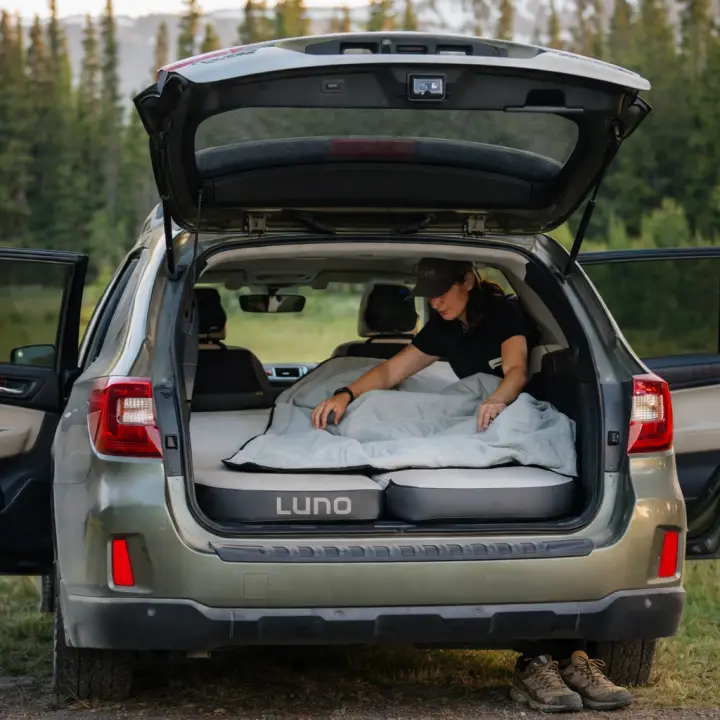
- Sleeping Pad or Air Mattress: This matters more than many beginners realize. A sleeping pad adds comfort and insulation from the cold ground. For chilly nights, look for insulated pads or a setup with a real R-value.
- Pillow: Bring a real pillow if space allows. It’s one of the easiest comfort upgrades in car camping.
- Extra Blanket or Camp Quilt: Useful around the fire, in the tent, or as backup warmth if the temperature drops.
- Tarp and Rope: A tarp over the picnic table or tent entrance can make rainy or sunny campsites much more livable.
A roomy, durable campground tent is usually a better fit here than an ultralight backpacking shelter. Backpacking tents are great when weight matters, but for car camping, livability matters more: tall doors, good ventilation, vestibule space, sturdy poles, and enough room to move around without crawling over everyone’s gear.
Good gear direction: A tent like the REI Co-op Base Camp 4 Tent fits the car camping mindset well because it prioritizes weather protection, structure, and livable interior space over ultralight weight. For many weekend campers, that is exactly the tradeoff that makes sense.
If you’re camping with kids, dogs, bulky bedding, or lots of gear, consider sizing up. The extra footprint in the car is usually worth the easier mornings and less cramped nights.
Camp Kitchen & Cooking
One of the best parts of car camping is eating well outside.
You can make real coffee. You can cook eggs in a skillet. You can keep drinks cold. You can prep a simple dinner while the sun drops behind the trees and everyone slowly wanders back to camp. A good camp kitchen doesn’t need to be fancy — it just needs to be organized and easy to use. ☕
The trick is to build a repeatable system. Stove, fuel, lighter, cookware, cutting board, knife, utensils, cooler, water, and cleanup kit. Once those basics are dialed in, most weekend meals become simple.
Cooking Gear
- Two-Burner Camp Stove: A two-burner propane stove is the classic car camping choice for a reason. It lets you cook coffee and breakfast at the same time, or run a pot and skillet together at dinner.
- Fuel: Bring enough propane or compatible fuel canisters for the full trip. Pack a little extra if cooking every meal at camp.
- Cooler: A good cooler keeps perishable food safe and makes weekend meals easier. Pre-chill the cooler before packing, and use frozen water bottles or block ice to reduce watery mess.
- Pots and Pans: A medium pot with a lid and a 10-inch skillet can handle most simple camp meals.
- Kettle or Hot Water Pot: Useful for coffee, tea, oatmeal, dishwater, and quick meals.
- Coffee or Tea Setup: French press, AeroPress, pour-over, percolator, or instant coffee all work. Choose the one you’ll actually clean at camp.
- Lighter and Waterproof Matches: Always bring a backup ignition source.
- Fire Starters: Helpful if campfires are allowed and conditions are damp.
- Grill Grate: Useful if cooking over a fire and the campground grate is missing, dirty, or awkwardly placed.
- Tongs, Spatula, and Large Spoon: These cover most camp cooking tasks.
- Cutting Board: A small, sturdy cutting board keeps prep cleaner and safer.
- Sharp Knife: Keep it sheathed or packed safely.
- Can Opener / Bottle Opener: Small item, big consequences if forgotten.
- Seasoning Kit: Salt, pepper, oil, hot sauce, and a few favorite spices can make simple meals much better.
A compact kitchen kit can be a smart upgrade if your utensils always seem to disappear into different bins. Brands like GSI Outdoors are especially useful for camp kitchen setups because the gear is designed around outdoor cooking, packing, and cleanup instead of just borrowing random tools from home.
For a simple weekend, don’t overcomplicate the menu. Good car camping meals are usually easy, flexible, and forgiving: breakfast burritos, pasta, rice bowls, tacos, chili, sandwiches, grilled vegetables, oatmeal, pancakes, and pre-chopped ingredients that cook quickly.
Dining & Cleanup
Cleanup is where many camp kitchens fall apart. If there’s no plan for dirty dishes, trash, grease, and food scraps, the picnic table gets messy fast.
- Plates, Bowls, and Mugs: Reusable enamel, stainless steel, or durable camp dishes are better than disposable plates for repeated trips.
- Eating Utensils: Pack one set per person, plus one extra.
- Water Bottles: Each person should have a personal bottle for camp, hikes, and the drive.
- Large Water Jug: A 5- to 7-gallon jug is ideal for drinking, cooking, handwashing, and dishes.
- Biodegradable Dish Soap: Use sparingly and dispose of wastewater properly.
- Sponge or Scrubber: Keep it in a small mesh bag so it can dry.
- Two Basins or Collapsible Sink: One basin for washing, one for rinsing. This makes cleanup faster and uses less water.
- Trash and Recycling Bags: Pack out all trash, including bottle caps, foil bits, produce stickers, and food scraps.
- Reusable Camp Towel: Useful for drying dishes, wiping tables, and handling hot cookware.
- Food Storage Bins: Keep dry food organized and protected from dirt, moisture, and animals.
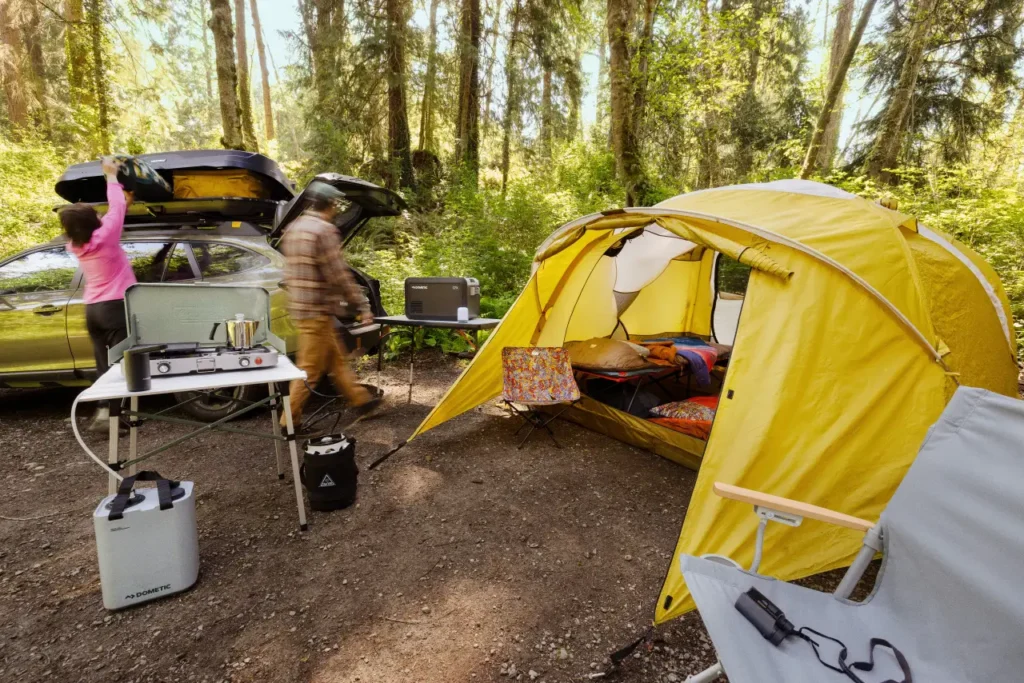
A separate camp table can also make a huge difference. Even if the site has a picnic table, that table often becomes the eating area, board game station, gear drop zone, and food prep surface all at once. A small folding table gives the stove or dish station its own place, which keeps the whole site calmer and cleaner.
Campsite Life & Comfort
This is the category that turns a basic campsite into a place you actually want to hang out.
After the tent is up and dinner is handled, comfort matters. A good chair, soft light, a clean entry into the tent, and a place to set down a mug can make camp feel relaxed instead of chaotic.
None of these items are complicated. They just make outdoor living easier. ✨
- Camp Chairs: A comfortable chair is one of the most important car camping items. Look for a stable frame, supportive seat, and cup holder or side pocket if you like having small things nearby.
- Camp Table: Useful for cooking, organizing gear, playing cards, or keeping the lantern off the ground.
- Headlamps: One per person. Headlamps are essential for cooking after dark, walking to the bathroom, finding gear, and getting into the tent.
- Lantern: A lantern gives the campsite softer shared light than a headlamp beam. Great for dinner, cleanup, and hanging out.
- Extra Batteries or Charging Cords: Match these to your headlamps, lanterns, phones, and power banks.
- Hammock with Tree-Friendly Straps: Great for naps, reading, or relaxing away from the main camp area. Only use it where hammocks are allowed.
- Outdoor Mat or Small Rug: Place it outside the tent to reduce dirt, pine needles, mud, and sand inside.
- Axe or Saw: Useful only if fires are allowed and firewood processing is permitted. Many areas require local firewood to reduce pest spread.
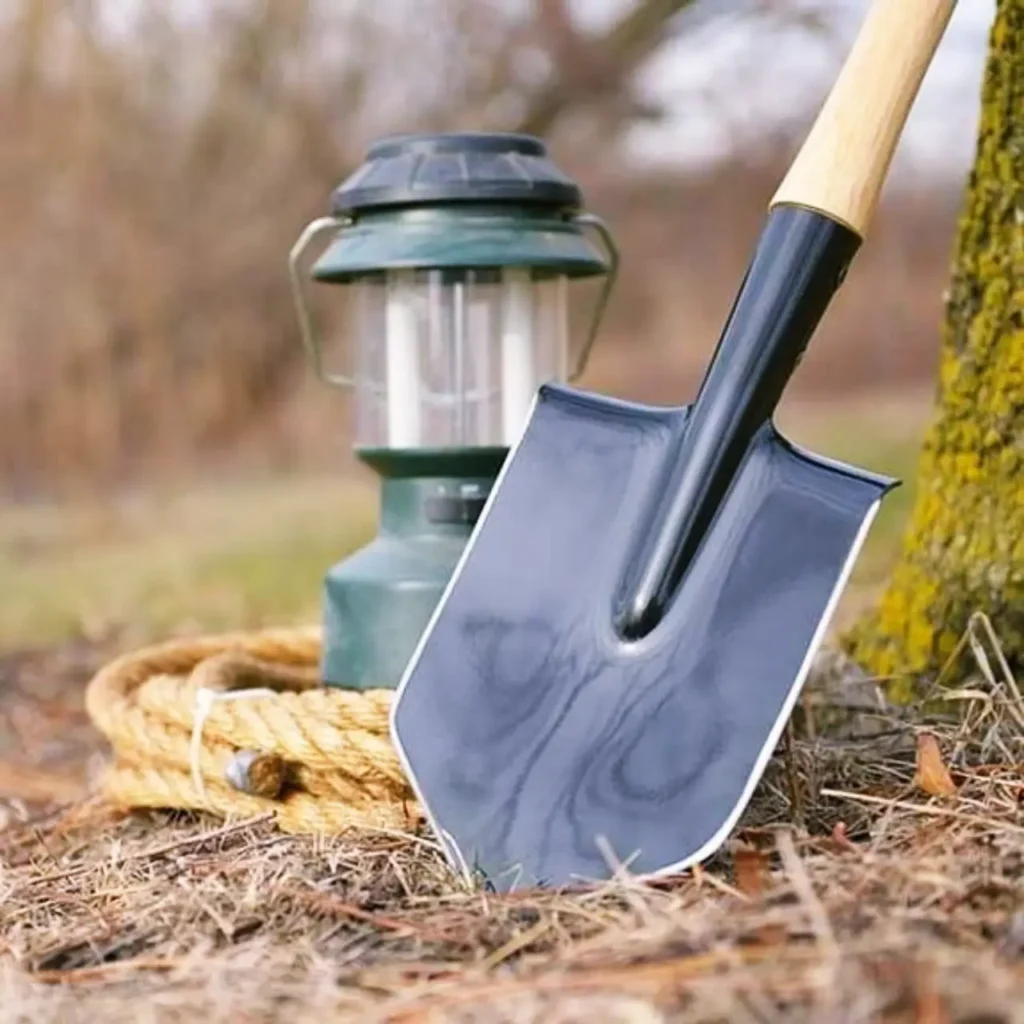
- Small Shovel: Helpful for managing ashes, moving dirt, or making sure a fire is fully out where fires are allowed.
- Camp Blanket: One of the most useful comfort items. Use it around the fire, in a chair, or over a sleeping bag.
- Bug Protection: Depending on location, pack insect repellent, a bug net, citronella-style accessories, or a screen shelter.
- Shade: A tarp, awning, or shade shelter is especially helpful in exposed desert, beach, or summer campground sites.
The best comfort gear solves real problems. A lantern makes cooking easier. A mat keeps the tent cleaner. A chair lets tired legs recover after a hike. A table keeps the stove out of the dirt. That’s the kind of gear that earns its spot.
Clothing & Footwear
Car camping clothes should be comfortable, layerable, and easy to manage.
The biggest mistake is packing only for the warmest part of the day. Campsites often feel cool in the morning, hot in the afternoon, and chilly again after sunset. Wind, shade, rain, and elevation can change things quickly.
A simple layering system works better than a pile of random clothes: base layer, comfortable shirt, warm mid-layer, weather shell, durable bottoms, sleep clothes, and dry socks. 🧦
| Category | Item | Notes |
|---|---|---|
| Tops | Base Layer | Wool or synthetic. Useful for cool nights, hiking, and sleeping. |
| T-shirts | Quick-dry fabric is more versatile than cotton. | |
| Mid-Layer | Fleece, light puffy, or insulated jacket for evening warmth. | |
| Rain Jacket / Hardshell | Important for wind, rain, and sudden weather changes. | |
| Bottoms | Hiking Pants or Shorts | Choose based on weather, bugs, brush, and terrain. |
| Camp Pants / Sweatpants | Comfortable for evenings and mornings. | |
| Essentials | Underwear | Pack at least one extra pair. |
| Socks | Wool or synthetic. Avoid cotton for hiking. | |
| Sleep Clothes | Keeps the sleeping bag cleaner and more comfortable. | |
| Footwear | Hiking Boots or Trail Runners | Choose based on trail conditions and personal comfort. |
| Camp Shoes | Sandals, clogs, slip-ons, or sneakers for relaxing at camp. | |
| Accessories | Sun Hat | Helps with sun exposure during setup, hikes, and cooking. |
| Beanie or Warm Hat | Small item, big comfort boost on cold evenings. | |
| Sunglasses | Useful at camp, on trails, and during the drive. | |
| Lightweight Gloves | Optional, but helpful for cold mornings or shoulder-season trips. |
Avoid relying too heavily on cotton if you’ll be hiking, sweating, or camping in cool weather. Cotton holds moisture and dries slowly, which can make you feel colder once temperatures drop. Wool and synthetic layers are more dependable for outdoor conditions.
For most weekend trips, pack one hiking outfit, one dry camp outfit, clean sleep clothes, warm layers, a rain shell, and extra socks. That covers most needs without stuffing the car with clothing you won’t wear.
Personal Items & Toiletries
Toiletries are easy to underestimate because they’re small. But once you’re at camp, small comfort items matter.
Keep everything in one dedicated toiletry bag so bathroom trips are simple. If the campground bathroom is a short walk away, you’ll be glad the toothbrush, toilet paper, towel, and headlamp are not scattered in four different places.
- Toothbrush and Toothpaste
- Sunscreen
- Insect Repellent: DEET and picaridin are common effective options.
- Lip Balm with SPF
- Hand Sanitizer
- Quick-Dry Towel
- Toilet Paper: Don’t assume the campground bathroom will be stocked.
- Prescription Medications
- Deodorant
- Body Wipes or Camp Soap
- Hair Ties or Comb
- Personal Hygiene Items
- Small Mirror
- Contact Lenses or Glasses Supplies
- Earplugs: Helpful in busy campgrounds, windy areas, or campsites near roads or water.
- Small Pack of Tissues
- Extra Zip Bags: Useful for toiletries, wet wipes, trash, or keeping small items dry.
A simple nighttime bathroom kit is worth creating before bed: headlamp, toilet paper, hand sanitizer, warm layer, and camp shoes. When the temperature drops and the tent is dark, that little bit of prep feels like a gift. 🌙
Safety, Tools & Navigation
Car camping feels approachable, but the outdoors still deserves respect.
A campground can be close to town and still have sharp tools, hot stoves, slippery rocks, sudden weather, minor injuries, dead batteries, and poor cell service. A basic safety kit keeps small problems from becoming trip-ending problems.
- First-Aid Kit: Start with a premade kit, then add blister care, pain relievers, allergy medication, personal medications, and any group-specific needs.
- Multi-Tool or Knife: Useful for gear repairs, food packaging, cord, splinters, and small campsite fixes.
- Duct Tape: Wrap a few feet around a water bottle or lighter to save space.
- Repair Kit: Include zip ties, cord, safety pins, extra buckles, and a tent pole repair sleeve if available.
- Map and Compass: Especially useful for areas with poor service, confusing forest roads, or large public lands.
- Phone with Offline Maps: Download maps before losing service.
- Power Bank and Charging Cords: Keep phones, headlamps, GPS devices, and lanterns charged.
- Emergency Whistle: Small, cheap, and easier to hear than shouting.
- Signal Mirror: Optional, but useful in open terrain.
- Satellite Messenger: Worth considering for remote dispersed camping or places without cell service.
- Jumper Cables or Battery Starter: Very useful when camping from a vehicle.
- Tire Pressure Gauge
- Spare Tire Tools
- Cash: Some campgrounds, firewood sellers, showers, and small-town stops may not take cards.
Navigation matters even on “easy” trips. Campgrounds can be confusing after dark. Forest roads can look similar. Trailheads may not have service. Save directions in advance, download maps, and don’t rely on the assumption that a phone will always work.
Optional (But Awesome) Extras
This is where car camping gets fun.
Because the car is nearby, you can bring a few comfort items that would never make sense on a backpacking trip. The key is choosing extras that improve the weekend instead of creating clutter.
- Daypack: Useful for short hikes, viewpoints, lake walks, and carrying snacks, water, and layers.
- Trekking Poles: Helpful on steep, rocky, muddy, or uneven trails.
- Camera
- Binoculars
- Book, E-reader, or Journal
- Cards or Camp Games
- Portable Speaker: Keep volume low and respect quiet hours.
- Clothesline and Clips
- Camp Slippers or Down Booties
- Extra Firewood: Only if purchased locally and fires are allowed.
- Picnic Blanket
- Small Shade Shelter
- Bug Shelter or Screen Room
- Dog Gear: Leash, bed, bowl, towel, waste bags, and food storage.
- Kid Gear: Extra layers, simple games, easy snacks, and comfort items.
- Portable Power Station: Useful for longer trips, camera gear, lights, small electronics, or vehicle-based setups.
- Camp Shower or Rinse System: Helpful for dusty desert trips, beach camping, or multi-day stays.
- Rooftop or Vehicle Awning: Useful for sun and rain if your car is part of the camp setup.
Optional gear should answer one clear question: will this make the trip easier, safer, cleaner, warmer, or more enjoyable?
If yes, bring it. If it just adds clutter, leave it home.
A Final Tip: The Bin System
The easiest way to make car camping smoother is to stop packing loose gear.
Bins create order. They make packing faster, setup easier, and cleanup less frustrating. Instead of searching through a pile of random bags, you know exactly where things live.
Use two to four sturdy bins and organize them by function.
- Bin 1: Camp Kitchen
Stove, fuel, lighter, pots, pans, utensils, cutting board, knife, dish soap, sponge, towel, mugs, and cooking tools. - Bin 2: Camp Gear
Lanterns, headlamps, batteries, first-aid kit, repair kit, tarp, rope, stakes, tools, fire starters, and extra cord. - Bin 3: Dry Food
Coffee, snacks, pasta, rice, canned goods, oatmeal, seasonings, tortillas, shelf-stable meals, and breakfast items. - Bin 4: Weather and Quick-Access Gear
Rain jackets, warm hats, gloves, bug spray, sunscreen, extra socks, and layers.
Clear bins make it easy to see what’s inside. Opaque bins with labels work too. The important thing is consistency. When every item has a home, packing for the next trip gets much easier.
A good bin system also helps after the trip. Refill the fuel, clean the cookware, restock the toilet paper, replace dead batteries, and the gear is ready for next weekend.
That’s how car camping starts to feel less like a big production and more like a repeatable routine.
Your Weekend Adventure Awaits
A good car camping packing list won’t guarantee perfect weather, quiet neighbors, or a flawless campfire. But it will make the weekend feel easier from the moment the car is unpacked.
The right setup helps you sleep warmer, cook better, stay organized, handle weather, and spend less time digging through gear. It gives the trip more room to breathe. 🌲
Start with the essentials: shelter, sleep system, food, water, clothing, lighting, safety, and cleanup. Add comfort items that match the trip. Skip the things that only create clutter.
After each trip, make one small update. Remove what never got used. Add what was missing. Improve the bin system. Restock the kitchen kit. Over time, your packing list becomes dialed in for the way you actually camp.
That’s the sweet spot: not overpacked, not underprepared — just ready.
Frequently Asked Questions (FAQ)
Q: What is the most commonly forgotten car camping item?
A: The most commonly forgotten items are usually small, boring, and very important: can opener, lighter, headlamp, extra batteries, pillow, trash bags, toilet paper, and warm hat.
A smart final check is to look for the items that make camp function after dark, during meals, and during bathroom trips. If those are covered, most basic problems are avoided.
Q: How do I keep food cold and not soggy in a cooler?
A: Pre-chill the cooler and food before packing. A warm cooler melts ice quickly. Use block ice or frozen water bottles because they last longer than loose cubes and create less watery mess.
Pack food in sealed containers or zip bags. Keep raw meat low in the cooler, where it stays coldest and cannot leak onto other food. Put frequently used items near the top so the cooler is not open for long.
For hot-weather trips, a separate drink cooler is helpful. Drink coolers get opened constantly, which warms everything inside. Keeping food and drinks separate helps the food cooler stay colder.
Q: Do I really need a separate camp table if the campsite has a picnic table?
A: Not always, but a separate camp table is one of the most useful car camping upgrades. A picnic table usually becomes the eating area, gear drop zone, coffee station, game table, and food prep surface all at once.
A small folding table gives the stove, dish station, or cooler its own space. That makes cooking safer and keeps the main table cleaner.
Q: What should beginners bring for a first car camping trip?
A: Beginners should focus on the core systems: tent, sleeping bag, sleeping pad, pillow, stove, fuel, cooler, water jug, headlamp, first-aid kit, warm layer, rain jacket, trash bags, and basic kitchen gear.
Avoid bringing too many complicated extras on the first trip. A simple setup is easier to use, easier to pack, and easier to improve after seeing what actually mattered.
Q: How much water should be packed for car camping?
A: A good starting point is at least one gallon of water per person per day for drinking, cooking, and basic cleanup. Hot weather, hiking, pets, kids, dry climates, and dishwashing can increase that amount quickly.
If the campground has potable water, bring refillable jugs. If the site has no water, pack more than expected. Running low on water makes cooking, cleaning, and staying comfortable much harder.
Q: Should food be stored in the car while camping?
A: It depends on the location. In many developed campgrounds, food can often be stored securely in a locked vehicle. In bear country, campsites may require bear boxes or approved bear-resistant storage.
Always follow the rules for the specific campground, park, forest, or public land area. Food, trash, scented toiletries, pet food, and cooking scraps should never be left out overnight.
Q: What is the best way to pack the car for camping?
A: Pack in the order you’ll use things. Tent, footprint, stakes, chairs, water, and headlamps should be easy to reach first. Kitchen bins, cooler, duffels, and comfort gear can be packed around that setup.
Keep safety items accessible. First-aid kit, rain jacket, headlamp, water, jumper cables, and basic tools should not be buried under everything else.
Q: Is car camping better with bins or duffel bags?
A: Both are useful. Bins work best for kitchen gear, tools, lighting, food, and items that need structure. Duffel bags work better for clothing, bedding, towels, and soft goods.
A hybrid system is usually best: bins for camp systems, duffels for personal gear, cooler for food, and a small pouch or tote for quick-access essentials.
Affiliate Disclosure: GearForTheOutdoors.com participates in affiliate programs, including REI, Amazon, REI Outlet, Garage Grown Gear, evo, and other trusted partners. When you purchase through our links, we may earn a small commission at no extra cost to you. That helps support our content and keeps our recommendations useful, practical, and free.
Disclaimer: This post is for informational purposes only. Always verify current product details, fit, availability, safety information, and manufacturer warranties before purchase or use. Outdoor conditions and gear performance can vary depending on setup, weather, terrain, and experience level.