That first camping trip sounds simple in the best possible way.
A quiet campsite. A tent under the trees. Coffee in the cool morning air. A camp chair by the fire after sunset. Maybe a short hike, a slow breakfast, and a weekend that feels a little less rushed than normal life. 🏕️
Then packing begins.
Suddenly, the simple idea of “going camping” turns into a pile of questions:
What should go in the tent?
How cold will it get at night?
Is one cooler enough?
Can regular kitchen pans work?
What if it rains?
What if something important gets forgotten?
That’s where this camping packing list for beginners comes in.
This guide is built for first-time campers, casual weekend campers, families heading to a campground, and anyone planning a simple car camping trip without wanting to overthink every single piece of gear. It focuses on what actually matters: staying dry, sleeping well, eating comfortably, staying safe, and keeping camp organized enough that the trip feels fun instead of frustrating.
The goal is not to pack like a professional expedition guide. The goal is to show up prepared, avoid the most common beginner mistakes, and enjoy the outdoors without turning the car into a rolling storage unit.
The Quick-Glance Beginner Camping Checklist
Start here if the trip is coming up fast. This quick checklist covers the core gear most beginners need for a simple overnight or weekend camping trip.
| Category | Essentials |
|---|---|
| Shelter & Sleep | Tent, footprint or ground tarp, stakes, sleeping bag, sleeping pad, pillow |
| Camp Kitchen | Camp stove, fuel, cooler, cookware, dishes, mugs, utensils, water jug |
| Campsite Living | Camp chairs, camp table, headlamp, lantern, first-aid kit, multi-tool |
| Clothing & Footwear | Moisture-wicking shirts, fleece or puffy jacket, rain jacket, hiking pants or shorts, wool socks, hiking shoes, camp shoes |
| Health & Hygiene | Sunscreen, insect repellent, toothbrush, toothpaste, toilet paper, quick-dry towel |
| Navigation & Safety | Campground map, offline map, power bank, trash bags, lighter or matches |
A good beginner camping setup does not need to be fancy. It just needs to cover the basics well.
If there is a dry place to sleep, a warm sleep system, a simple way to cook, enough water, reliable lighting, and clothing that handles changing weather, the trip is already off to a strong start. ✨
The Core Three: Your Camping Foundation
Before worrying about gadgets, camp decorations, or complicated cooking setups, focus on the three things that shape the entire camping experience:
- Shelter
- Sleep
- Organization
These are the pieces that decide whether camp feels calm or chaotic.
For most beginners, this guide assumes car camping rather than backpacking. That means the car is close to the campsite, so comfort and organization matter more than ultralight packing. A roomier tent, thicker sleeping pad, real pillow, and proper camp chair are not “extra” for many beginners — they are the reason camping feels enjoyable enough to do again.
1. Your Tent: A Home in the Wild
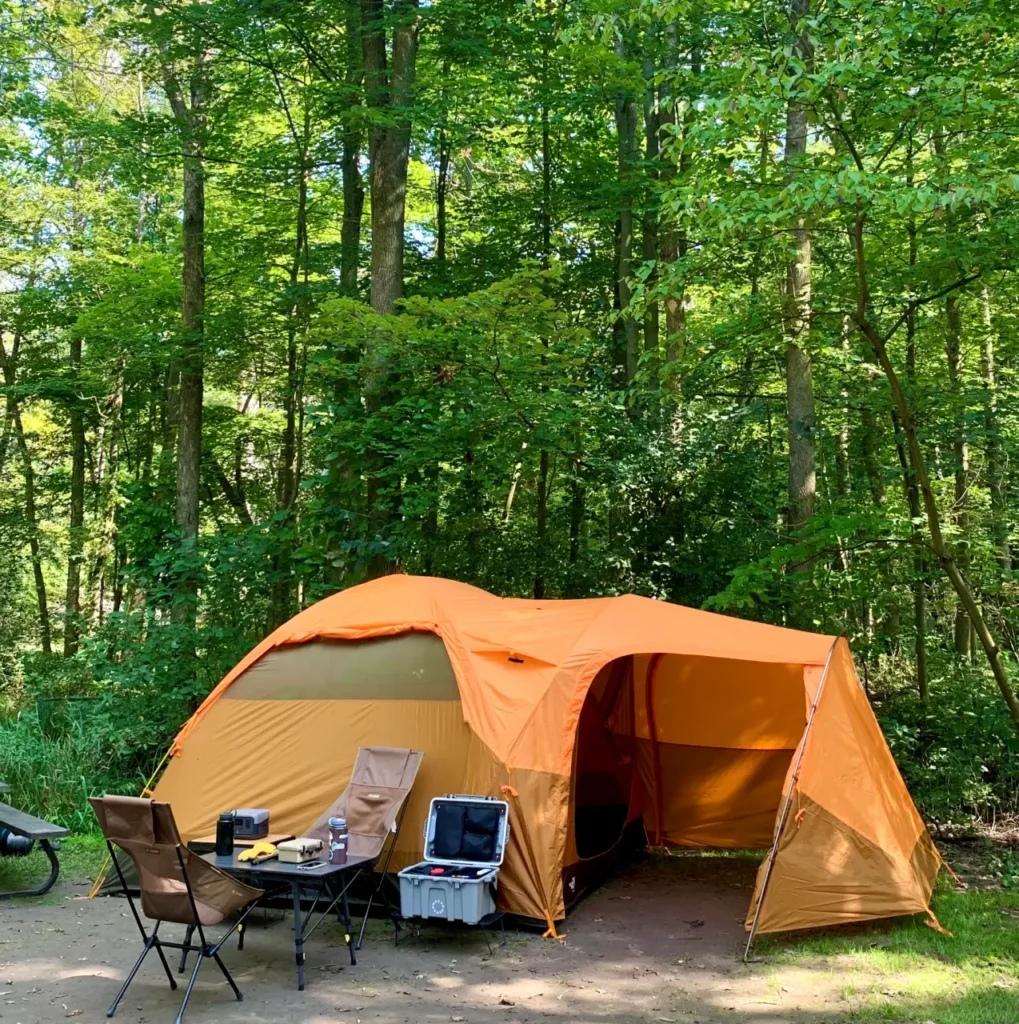
A tent is not just a sleeping spot. It is the place to change clothes, escape mosquitoes, wait out a rain shower, store soft gear, and feel settled at the end of the day.
For beginners, the best tent is usually the one that is easy to pitch, roomy enough to move around in, and dependable in normal spring, summer, and fall conditions.
Capacity matters more than people expect.
Tent capacity can be optimistic. A 2-person tent usually means two sleeping pads fit side by side, not two people plus duffel bags, shoes, extra layers, pillows, and space to sit up comfortably.
For car camping, sizing up usually makes life easier:
| Campers | More Comfortable Tent Size |
|---|---|
| 1 person | 2-person tent |
| 2 people | 3-person or 4-person tent |
| 3 people | 4-person or 6-person tent |
| Family of 4 | 6-person tent or larger |
A little extra space can make a huge difference on a rainy evening when everyone needs to move inside.
Choose a 3-season tent for most beginner trips.
A 3-season tent is the standard choice for typical camping in spring, summer, and fall. It is designed to handle bugs, light to moderate rain, mild wind, and warmer nights with ventilation.
Most beginners do not need a winter tent, mountaineering tent, or ultralight backpacking shelter for campground camping. Those are built for more specific conditions.
Look for an easy setup.
The best beginner tents usually have:
- Color-coded poles
- Simple clips instead of complicated sleeves
- A rainfly that is easy to attach
- Clear stake-out points
- Interior pockets for small items
- Enough height to sit up comfortably
Set the tent up once at home before the trip. That backyard practice session can save a lot of stress when arriving at camp tired, hungry, or close to sunset. 🌲
Do not skip the footprint.
A tent footprint or ground tarp protects the tent floor from rocks, roots, wet ground, and abrasion. It can also help the tent last longer.
Just make sure the footprint does not stick out beyond the tent floor. If it does, rainwater can collect on top of it and run underneath the tent.
A good tent should feel simple and reliable. Once it is pitched, it should disappear into the background so the rest of camp feels easy.
2. Your Sleep System: The Key to a Happy Camper
A good camping trip can turn rough fast after one cold, uncomfortable night.
Many beginners focus on the tent and forget that the real comfort comes from the sleep system inside it. A tent blocks weather and bugs, but the sleeping bag and sleeping pad keep the body warm.
A beginner sleep system has three main pieces:
- Sleeping bag
- Sleeping pad
- Pillow
Each one matters.
Sleeping bag
A sleeping bag keeps warmth around the body through the night.
For beginners, synthetic sleeping bags are often a smart starting point. They are usually more affordable than down, easy to care for, and more forgiving if conditions get a little damp.
The most important detail is the temperature rating.
If the nighttime low is expected to be around 45°F, a 30°F sleeping bag is often more comfortable than a 45°F bag. Temperature ratings can feel different depending on the person, humidity, wind, sleeping pad, clothing, and whether the sleeper naturally runs warm or cold.
A warm bag can always be unzipped. A cold bag has nowhere to go.
Sleeping bag shape also matters.
| Sleeping Bag Shape | Best For | What to Know |
|---|---|---|
| Rectangular | Car camping comfort | Roomy and easy to move in |
| Semi-rectangular | Balanced comfort and warmth | Less restrictive than mummy bags |
| Mummy | Colder nights and efficient warmth | Warmer, but snugger |
| Double sleeping bag | Couples or roomy car camping | Comfortable but bulky |
For a first campground trip, comfort usually matters more than saving every ounce.
Sleeping pad
A sleeping pad is not just a cushion. It is insulation from the cold ground.
The ground can pull heat away from the body all night, even when the air does not feel that cold. This is why sleeping directly on an air mattress or thin blanket can feel surprisingly chilly.
Look for the pad’s R-value, which measures insulation. Higher R-value means more warmth.
| R-Value Range | Best Use |
|---|---|
| 1–2 | Warm summer nights |
| 2–4 | Most mild 3-season camping |
| 4–6 | Cooler spring/fall nights |
| 6+ | Cold-weather camping |
For most beginner 3-season trips, an R-value between 2 and 5 is a practical range.
Sleeping pad types
| Type | Best For | Notes |
|---|---|---|
| Closed-cell foam pad | Budget, durability, backup insulation | Tough but less comfortable |
| Self-inflating pad | Beginner car camping | Good mix of comfort and warmth |
| Inflatable air pad | Compact packing | Comfortable but check insulation |
| Thick camp mattress | Maximum car camping comfort | Bulky but very comfortable |
If sleep comfort is a priority, this is one of the best places to spend a little more.
Pillow
A camp pillow sounds like a small thing until bedtime.
A jacket stuffed into a sack can work, but a real camp pillow helps the neck and shoulders relax. For beginners, this is one of the easiest comfort upgrades to pack.
A good night outside changes everything. Morning coffee tastes better when the night before was actually restful. ☕
3. Hauling Your Gear
For car camping, gear hauling is mostly about organization.
The car may only be a few steps away, but a messy trunk can still make camp frustrating. Headlamps disappear. Coffee gets buried. Rain jackets end up under sleeping bags. The tent stakes somehow land in the kitchen bin.
The easiest beginner system is to pack by category.
| Gear Type | Best Packing Method |
|---|---|
| Clothes | Duffel bag or packing cubes |
| Camp kitchen | Clear storage bin |
| Dry food | Lidded food bin |
| Cold food | Cooler |
| Lighting and small tools | Small gear pouch or bin |
| Sleep gear | Duffel or dedicated bin |
| Wet or dirty items | Separate bag or tote |
Clear storage bins are especially useful because the contents are easy to see. One bin can hold the kitchen kit. Another can hold lighting, tools, first-aid, and campsite extras.
Labeling bins may feel excessive at home, but it makes camp setup much smoother.
A simple packing rule: keep the first things needed at camp easy to reach. Tent, stakes, headlamps, rain jacket, and camp shoes should not be buried under everything else.
The Camp Kitchen: Fueling Your Adventure
Camp food does not need to be complicated to feel satisfying.
A hot breakfast, a simple dinner, and a warm drink in the morning can make a basic campsite feel like a real basecamp. The trick is keeping the kitchen setup simple enough that cooking does not become the hardest part of the trip.
For a first camping trip, think easy meals, minimal cleanup, and reliable gear.
Camp Cooking Gear
A beginner camp kitchen should do a few things well:
- Boil water
- Cook simple meals
- Keep food cold
- Store dry food safely
- Make cleanup easy
- Keep the cooking area organized
That is enough.
Camp stove and fuel
For car camping, a two-burner propane stove is one of the most practical beginner choices. It gives enough space to cook eggs and coffee at the same time, works well on a camp table, and feels closer to cooking at home than balancing a tiny pot on a backpacking stove.
Before the trip, check three things:
- The stove works.
- The fuel fits.
- There is a backup lighter or matches.
Even if the stove has push-button ignition, pack a lighter. Igniters can fail at the worst time.
Cooler
A cooler is one of the most important pieces of camp kitchen gear.
For a weekend trip, a durable hard-sided cooler is usually enough. The key is how it gets packed.
To keep food colder longer:
- Pre-chill the cooler before packing
- Use block ice or frozen water bottles on the bottom
- Keep food in sealed containers
- Pack items in order of use
- Keep drinks in a separate cooler if possible
- Store the cooler in shade
- Open it less often than feels natural
For beginner weekend trips, a selection of durable hard-sided coolers at Amazon can work well for keeping food organized and cold.
Cookware
Regular pots and pans from home can work for a first trip, especially with a two-burner stove.
The main thing is to avoid bringing fragile, expensive, or delicate cookware that could get scratched, smoky, or banged around in a bin.
A basic camp cookware setup can be simple:
- 1 medium pot
- 1 frying pan
- 1 lid if available
- 1 spatula
- 1 large spoon
- Tongs
- Cutting board
- Sharp knife
Dedicated camp cookware becomes more useful over time because it is easier to pack, often nests together, and handles outdoor use better.
Dishes, mugs, and utensils
Bring one plate, bowl, mug, and utensil set per person.
Durable materials are best. Enamelware, stainless steel, bamboo, and sturdy plastic all make more sense than fragile ceramic dishes.
Also pack:
- Can opener
- Bottle opener or corkscrew
- Coffee maker, pour-over cone, French press, or AeroPress
- Paper towels or reusable towels
- Food storage bags
- Trash bags
- Lighter or waterproof matches
Water jug
Even when a campground has water, a water jug makes camp easier.
It saves repeated walks to the spigot and gives easy access for cooking, handwashing, coffee, and cleanup. For most weekend trips, a 2.5- to 5-gallon jug is a practical size.
If the trip involves dispersed camping or a site without water access, bring more than seems necessary.
Cleanup Station
A good cleanup system keeps camp cleaner, safer, and more pleasant.
The simplest setup uses two bins:
| Bin | Purpose |
|---|---|
| Wash bin | Warm water and a small amount of camp soap |
| Rinse bin | Clean water for rinsing dishes |
Add a sponge, scraper, towel, trash bag, and recycling bag.
Clean up soon after meals. Food smells attract animals, and dirty dishes become much less appealing after sitting overnight.
Food scraps should never go in the fire ring, on the ground, or behind a tree. Pack out trash and follow all campground rules for food storage.
In bear country, use bear lockers where provided and follow local guidance carefully.
A clean camp kitchen is not about being fussy. It is about keeping animals safe, keeping people safe, and making the next meal easier.
Creating a Comfortable Campsite
Once the tent is up and the kitchen is organized, a few comfort items can turn a basic campsite into a place where people actually want to hang out.
This is one of the best parts of car camping. Since everything does not have to fit in a backpack, it is okay to bring a chair, a lantern, a table, and a few comfort pieces that make camp feel relaxed. 🌄
Campsite Furniture & Lighting
Camp chairs
A camp chair might not sound essential until there is nowhere comfortable to sit.
After a hike, a long drive, or an hour of cooking, sitting on a cooler gets old fast. A good chair makes camp feel settled.
Beginner-friendly chair options:
| Chair Type | Best For |
|---|---|
| Classic folding chair | Simple campground camping |
| Rocking camp chair | Relaxed car camping |
| Low chair | Campfires, beaches, concerts |
| Compact chair | Smaller cars and limited storage |
| Padded chair | Maximum comfort around camp |
For beginners, comfort and stability matter more than ultralight design.
Camp table
Some campsites have picnic tables. Some do not. Some have one, but it ends up covered with food, bags, and random gear within ten minutes.
A small folding table gives a clean surface for cooking, coffee, dishwashing, or organizing small items.
If packing space is limited, prioritize a table that folds flat or rolls compactly.
Headlamp
A headlamp belongs on every beginner camping checklist.
It keeps both hands free for cooking, carrying firewood, brushing teeth, finding clothes, walking to the restroom, or adjusting tent stakes after dark.
Pack one headlamp per person, not one per group. Also bring extra batteries or a charging cable.
A selection of reliable headlamps at REI is a good place to start if this is one of the first pieces of gear being added to the kit.
Lantern
A lantern gives the campsite soft shared light.
A headlamp is best for tasks. A lantern is best for the picnic table, tent area, and evening downtime.
The ideal beginner setup is both: headlamps for each person and one lantern for camp.
Tools & Safety
Most camping problems are small: a blister, a stubborn tent stake, a loose cord, a dead phone, a missing can opener, a cut finger, a wet sock.
The right tools keep small problems small.
First-aid kit
A basic outdoor first-aid kit should include:
- Bandages
- Gauze
- Medical tape
- Antiseptic wipes
- Blister treatment
- Tweezers
- Pain reliever
- Allergy medicine if needed
- Personal medications
- Small scissors
- Any trip-specific medical items
Blisters and small cuts are far more common than dramatic emergencies, but being ready for them makes the trip smoother.
Multi-tool or knife
A multi-tool is useful for opening packaging, cutting cord, tightening small screws, prepping food, or handling little campsite fixes.
Mallet or hammer
Tent stakes do not always slide easily into packed campground dirt. A mallet saves time and prevents bent stakes.
Duct tape or repair tape
A small roll of duct tape can help patch gear, reinforce a torn bag, secure a loose part, or temporarily repair a tent issue.
Wrap some around a water bottle or trekking pole if space is tight.
Power bank
Phones are used for photos, maps, weather, reservations, communication, and sometimes entertainment. A small power bank helps keep battery anxiety away.
Download maps before the trip. Campgrounds, national forests, mountain roads, and canyons often have weak or no cell service.
What to Wear: Layering is Everything
Camping clothes should help with one main thing: staying comfortable as conditions change.
A sunny afternoon can become a chilly evening. A dry forecast can still bring wind. A warm campsite can feel damp after sunset. The easiest way to handle that is layering.
The basic rule: wear clothes that can be added or removed as the temperature changes.
The second rule: avoid cotton for active outdoor layers.
Cotton absorbs moisture and dries slowly. Once it gets damp from sweat, rain, or humidity, it can feel cold and clammy for a long time.
The Three-Layer System
The three-layer system is simple, and it works for camping, hiking, and most outdoor trips.
1. Base layer
This is the layer next to the skin. Its job is to move sweat away from the body.
Good base layer materials include:
- Merino wool
- Polyester
- Nylon blends
- Moisture-wicking synthetic fabrics
For warm weather, this might be a lightweight hiking shirt. For cold nights, it might be long underwear.
2. Mid layer
This is the warmth layer.
Good mid layers include:
- Fleece jacket
- Puffy jacket
- Wool sweater
- Synthetic insulated jacket
Fleece is a great beginner option because it is affordable, durable, and comfortable. A puffy jacket is warmer for its weight and packs smaller, making it useful for chilly mornings.
3. Outer layer
This layer protects against wind and rain.
A rain jacket is one of the most important clothing items to pack, even if the forecast looks clear. Weather shifts quickly outdoors, and a shell can also block wind when temperatures drop.
Rain pants are optional for fair-weather campground trips, but they are very useful in wet climates, shoulder seasons, and longer camping trips.
Beginner’s Clothing Checklist
For a simple weekend trip, pack clothing that can handle warm afternoons, cool nights, and possible rain.
Tops
- 1–2 moisture-wicking T-shirts or long-sleeve shirts
- 1 fleece or puffy jacket
- 1 rain jacket
Bottoms
- Hiking pants, softshell pants, or durable shorts
- Avoid jeans if there is any chance of rain or cold weather
Sleepwear
Bring one dry outfit just for sleeping.
This can be long underwear, joggers, a clean base layer, or another soft outfit that stays protected in the bag until bedtime.
Dry sleep clothes make a huge difference at night. They also help keep the sleeping bag cleaner.
Socks
Pack wool or synthetic socks, not cotton.
Bring at least one extra pair. Dry socks are one of the simplest camping luxuries, especially after hiking or walking around damp grass in the morning.
Underwear
Pack enough for the trip, plus one extra pair if the forecast is wet or the trip includes hiking.
Hats
Bring a warm beanie for cold mornings and evenings. Add a sun hat, cap, or wide-brimmed hat for daytime.
Footwear
Bring hiking shoes or boots that are already broken in.
Do not test brand-new boots on a camping weekend. Blisters can make even a short walk miserable.
Also pack camp shoes. Sandals, clogs, sneakers, or slip-ons let feet relax after hiking and make nighttime restroom walks much easier.
Health, Hygiene, & Personal Items
Personal items are easy to overlook because they do not feel like camping gear. But they often decide whether the trip feels clean, comfortable, and manageable.
Pack these in a small toiletry pouch:
- Sunscreen
- Insect repellent
- Toothbrush
- Toothpaste
- Toilet paper
- Hand sanitizer
- Quick-dry towel
- Lip balm with SPF
- Sunglasses
- Personal medications
- Pain reliever
- Allergy medication if needed
- Wet wipes or body wipes
- Feminine hygiene products if needed
- Small mirror
- Camp soap
Toilet paper deserves special attention. Campground bathrooms can run out, and some campsites do not have restrooms nearby.
Keep a roll in a zip bag so it stays dry.
A quick-dry towel is also more useful than it looks. It can dry hands, dishes, wet hair, swim gear, condensation, or a spilled picnic table.
Use biodegradable soap sparingly and follow local rules. Do not wash dishes, clothes, or skin directly in lakes, streams, or rivers.
Food, Snacks, and Water
Food planning should be simple on a first trip.
Choose meals that are familiar, easy to cook, and easy to clean up. A great camping meal is not the one that looks most impressive online. It is the one that tastes good after a long day and does not leave every pot dirty.
A simple beginner camping menu might look like this:
| Meal | Easy Camping Ideas |
|---|---|
| Breakfast | Oatmeal, eggs, breakfast burritos, bagels, instant coffee |
| Lunch | Sandwiches, wraps, fruit, trail snacks |
| Dinner | Chili, pasta, tacos, rice bowls, grilled sausages |
| Snacks | Trail mix, bars, jerky, crackers, cheese, apples |
| Drinks | Water, coffee, tea, electrolyte packets |
Pack more snacks than expected. People tend to eat more outside, especially when hiking, swimming, or spending the full day in cooler weather.
Water planning
A good starting point is at least one gallon of water per person per day for drinking, cooking, and basic cleanup.
Bring more if:
- The weather is hot
- The campsite has no reliable water
- The trip includes hiking
- Dogs are coming
- Cooking requires extra water
- There will be coffee, tea, or hot drinks
A water jug makes camp much easier, even at developed campgrounds.
Beginner Camping Extras Worth Considering
Not everything below is essential, but these items can make a first camping trip smoother and more comfortable.
| Extra Item | Why It Helps |
|---|---|
| Doormat or small rug | Keeps dirt out of the tent |
| Camp blanket | Adds warmth around the fire |
| Clothesline and clips | Dries towels, socks, and wet layers |
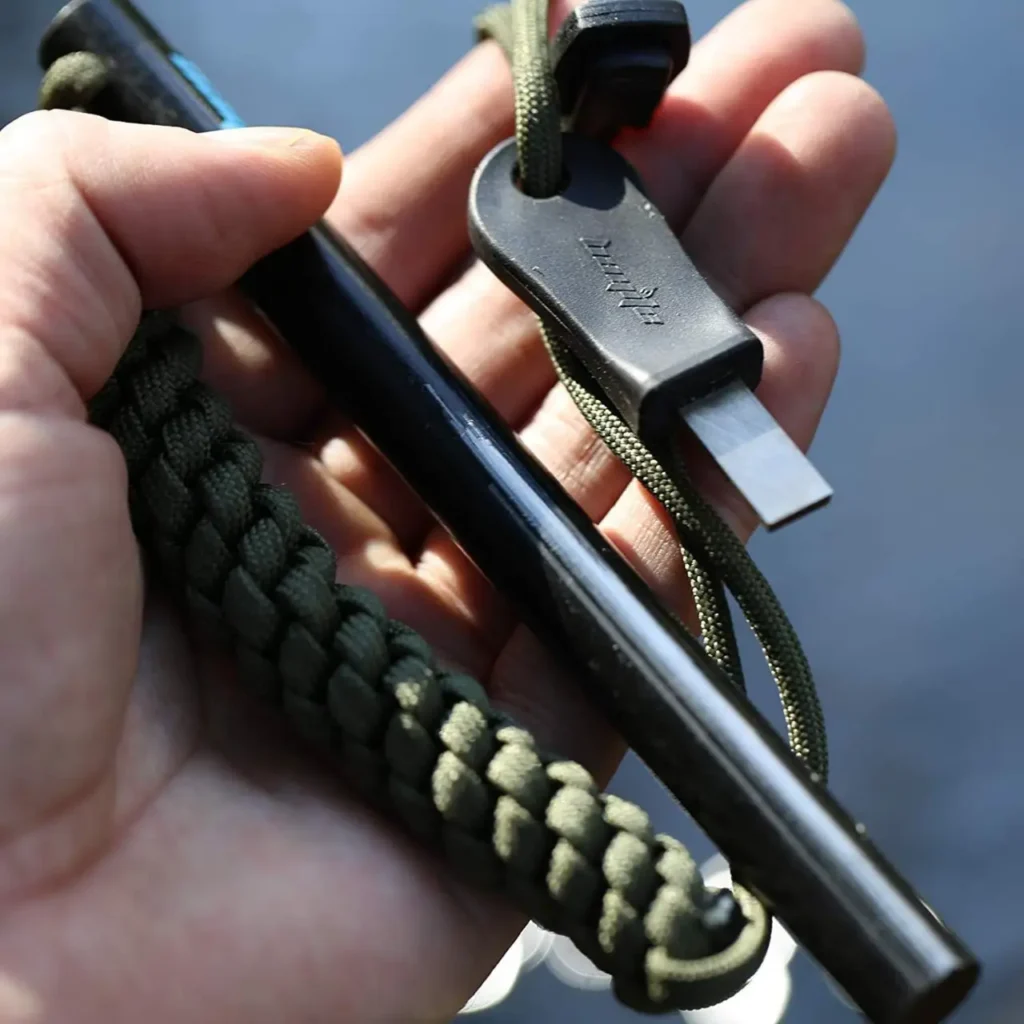
| Fire starter | Helps start fires where campfires are allowed |
| Book or cards | Great for quiet evenings |
| Small broom or brush | Helps clean the tent before packing |
| Extra trash bags | Useful for wet gear, trash, and dirty clothes |
| Backup batteries | Important for lights and small electronics |
| Notebook and pen | Good for notes, games, or improving the next packing list |
| Binoculars | Fun for wildlife watching and scenic viewpoints |
The best extras solve real campsite problems: wet socks, dirt in the tent, dim light, cold shoulders, messy cooking areas, or downtime after dinner.
Skip anything that only adds clutter.
What Beginners Usually Overpack
Overpacking is normal on the first trip. A little extra gear is fine when car camping, but too much clutter can make camp harder to manage.
The most common overpacked items include:
- Too many outfits
- Complicated cooking tools
- Extra gadgets that solve no real problem
- Multiple knives or tools that do the same thing
- Full-size kitchen items
- Too much refrigerated food
- Heavy decor or campsite accessories
- Large speakers in quiet campgrounds
- Fragile dishes
- Gear bought just because it looked interesting online
A good camping setup should feel calm and usable.
Before packing something extra, ask:
Does this help with shelter, sleep, food, warmth, safety, hygiene, or comfort?
If not, it can probably stay home for the first trip.
Final Thoughts: Don’t Stress, Just Go
This camping packing list for beginners may look long at first, but the foundation is simple.
Bring a dependable tent.
Pack a warm sleep system.
Keep food simple.
Bring enough water.
Use layers.
Carry reliable lighting.
Have a basic first-aid kit.
Keep camp clean.
That is enough to get started well.
The first camping trip does not need to be perfect. A forgotten spatula, a stubborn tent stake, a smoky dinner, or a slightly lumpy sleeping pad is part of learning how camp life works.
The goal is not to create a flawless outdoor setup on the first try. The goal is to feel prepared enough to relax, look around, enjoy the fresh air, and start building confidence outside. 🌲
Start with the essentials. Borrow what makes sense. Upgrade slowly after learning what kind of camping actually feels good.
Once the basics are packed, the best thing to do is simple: get outside and let the weekend slow down.
Frequently Asked Questions for First-Time Campers
What is the most commonly forgotten camping item?
A headlamp is one of the most commonly forgotten camping items. It is also one of the most annoying things to forget because so many camp tasks happen after dark.
A phone flashlight can help in a pinch, but it drains battery and keeps one hand occupied. A headlamp is much better for cooking, setting up gear, walking to the restroom, brushing teeth, and finding things inside the tent.
Other commonly forgotten items include pillows, can openers, extra socks, trash bags, lighters, towels, and dish soap.
How should a cooler be packed for a camping trip?
Pre-chill the cooler before packing it. Then place block ice or frozen water bottles on the bottom, add sealed food containers, and fill empty space with ice, towels, or frozen items.
Pack food in the order it will be used. Food for later in the trip can go lower in the cooler, while first-day lunch or drinks should stay closer to the top.
Keep the cooler closed as much as possible and store it in the shade.
Do beginners really need special camping cookware?
Not for the first trip.
A regular pot and pan from home can work well on a two-burner camp stove. The main thing is to avoid delicate cookware that could get scratched, smoky, or damaged.
Dedicated camp cookware becomes more useful over time because it usually packs better, weighs less, and handles outdoor use more easily. But for a first trip, simple is completely fine.
Can a phone be used as a flashlight while camping?
A phone flashlight works as a backup, but it should not be the main light source.
A headlamp is much more useful because it keeps both hands free. It also saves phone battery for maps, weather, photos, and communication.
Each camper should have a headlamp.
What should beginners pack first for camping?
Start with shelter and sleep gear:
- Tent
- Footprint or tarp
- Sleeping bag
- Sleeping pad
- Pillow
Then pack the camp kitchen, water, clothing layers, lighting, first-aid kit, hygiene items, and food.
Comfort items like chairs, a table, lantern, and camp blanket can come next.
How much clothing should be packed for a weekend camping trip?
For a simple weekend, most beginners need one active outfit, one dry sleeping outfit, a warm layer, a rain jacket, extra socks, underwear, and camp shoes.
The most important thing is to keep one dry outfit protected for sleeping. Even if the day clothes get damp or dirty, dry sleep clothes can make the night much more comfortable.
Is car camping easier than backpacking for beginners?
Yes. Car camping is usually the easiest way to start because the vehicle stays nearby and gear weight matters less.
This allows beginners to bring a roomier tent, thicker sleeping pad, cooler, camp chairs, and simple kitchen setup.
Backpacking requires lighter gear, more planning, and more attention to weight, water, mileage, and weather. Car camping is the better first step for most new campers.
What food is easiest for a first camping trip?
The easiest camping food is familiar, simple, and low-mess.
Good beginner meals include oatmeal, eggs, breakfast burritos, sandwiches, wraps, pasta, chili, tacos, rice bowls, grilled sausages, and pre-made meals that only need reheating.
Avoid complicated meals with too many ingredients on the first trip. A simple dinner that works smoothly is better than an ambitious recipe that leaves everyone hungry and every dish dirty.
Affiliate Disclosure: GearForTheOutdoors.com participates in affiliate programs, including REI, Amazon, REI Outlet, Garage Grown Gear, evo, and other trusted partners. When you purchase through our links, we may earn a small commission at no extra cost to you. That helps support our content and keeps our recommendations useful, practical, and free.
Disclaimer: This post is for informational purposes only. Always verify current product details, fit, availability, safety information, and manufacturer warranties before purchase or use. Outdoor conditions and gear performance can vary depending on setup, weather, terrain, and experience level.