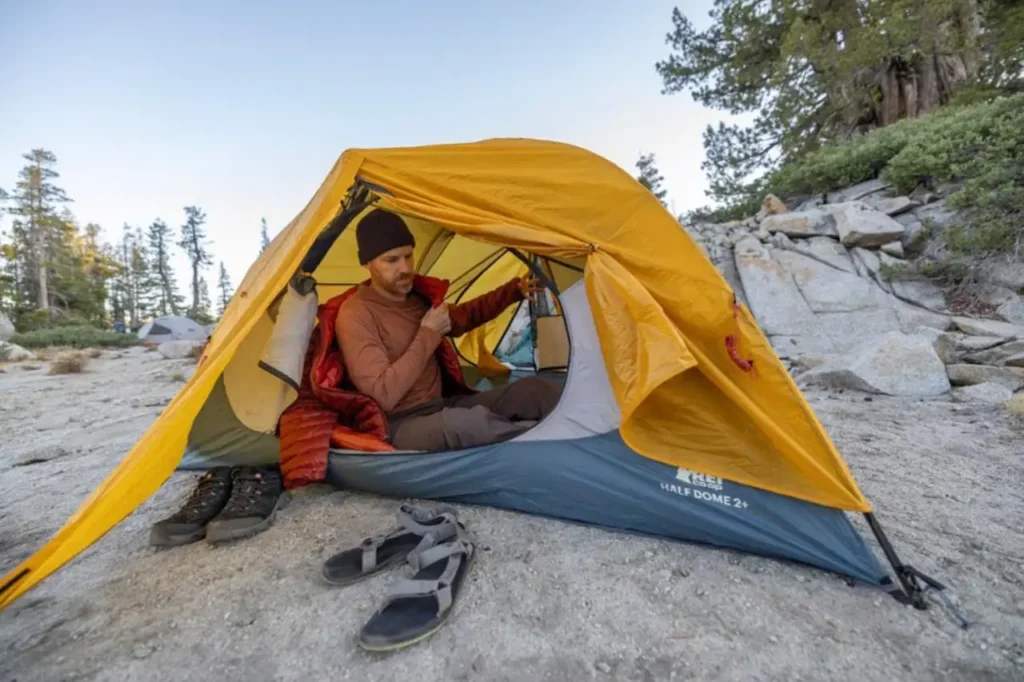
Getting into camping should feel exciting, not like a test in pole geometry. The dream is easy to picture: cool evening air, a simple dinner outside, and a tent that feels like a cozy place to land after a long day. The reality for many first-time campers is less romantic: a pile of fabric, a few confusing poles, fading light, and the feeling that camp setup is already taking too long. 😊
That is exactly why the best camping tents for beginners are not just the cheapest ones on the shelf. A good first tent should be easy to understand, quick to pitch, forgiving of small mistakes, and comfortable enough that camping feels approachable from the start. It should help build confidence, not drain it.
For this updated version, the list has been rebuilt around tents that still appear live through current retail and affiliate-friendly channels, especially REI, Amazon, Kelty, and NEMO. The goal stayed the same: beginner-friendly shelters that are easier to set up and easier to enjoy once camp is dialed in.
Our Top Beginner-Friendly Tents at a Glance
| Tent Name | Best For | Capacity | Setup Style | Price |
|---|---|---|---|---|
| REI Co-op Trail Hut 2 | The All-Arounder | 2 Person | Classic Dome | $$ |
| Coleman Sundome 4 | The Budget Classic | 4 Person | Classic Dome | $ |
| NEMO Aurora Highrise 4P | Beginner Comfort & Space | 4 Person | Cabin-Inspired Freestanding | $$$ |
| The North Face Wawona 6 | Premium Family Camping | 6 Person | Hybrid Tunnel | $$$ |
| Coleman Instant 6 | The Fastest Setup | 6 Person | Instant Cabin | $$ |
| Kelty Discovery Basecamp 6 | The Reliable Family Hub | 6 Person | X-Dome | $$ |
In-Depth Reviews of the Best Beginner Tents
These picks were chosen around the things that matter most to new campers: intuitive layouts, simpler setup logic, beginner-friendly features, and enough comfort that a first trip feels fun instead of overly technical. Some are basic and budget-friendly. Others cost more, but give back real comfort and livability.
1. REI Co-op Trail Hut 2
Best All-Around Beginner Tent
| Spec | Value |
|---|---|
| Capacity | 2 Person |
| Packaged Weight | 5 lbs. 15 oz. |
| Peak Height | 40 inches |
| Floor Dimensions | 88 x 52 inches |
| Price Tier | $$ |
The REI Co-op Trail Hut 2 remains one of the easiest beginner tents to recommend because it gets the basics right without feeling stripped down. It is approachable, thoughtfully designed, and simple enough that the first setup does not feel intimidating. For a solo camper or a pair of new campers, it hits a sweet spot between comfort, usability, and long-term value.
Why It’s Great for Easy Setup
The Trail Hut 2 uses a freestanding dome architecture with equal-length poles and pole clips, which is exactly the kind of clean, readable structure that helps beginners get a tent standing without much trial and error. It also has two large doors and two vestibules, which immediately makes the tent feel easier to live with once pitched. REI also highlights its ridge pole design for a little more usable interior space.
In practical terms, this is the kind of tent that teaches good setup habits fast. The layout is simple, the pole structure makes sense, and the clip-based body is less frustrating than feeding long poles through sleeves when the light is fading or the wind starts to pick up. 🌲
Beyond the Setup
The two-door, two-vestibule layout is a big quality-of-life advantage. For two people, that means less climbing over each other, more gear organization, and a tent that feels calmer and less cramped. The fly doors can also roll up for better venting and reduced condensation, which is especially helpful on muggy summer nights.
This is also one of the more versatile tents on the list. It leans closer to the lightweight end than a bulky family camping shelter, but it still feels sturdy and beginner-friendly enough for weekend car camping. That makes it a strong first tent for someone who may eventually branch into lighter trips too.
Pros:
- Extremely intuitive, clip-based setup
- Equal-length poles make the frame easy to understand
- Two doors and two vestibules add real convenience
- Versatile enough for car camping and occasional lighter trips
Cons:
- Not especially roomy for two larger adults plus gear
- More of a compact, efficient shelter than a lounging tent
Who It’s Best For:
This is a great choice for the beginner who wants one dependable tent that can cover a lot of use cases. It is especially appealing for solo campers, couples, and anyone who wants a first tent that feels polished without being overly complicated.
2. Coleman Sundome 4
Best on a Tight Budget
| Spec | Value |
|---|---|
| Capacity | 4 Person |
| Peak Height | 59 inches |
| Floor Dimensions | 108 x 84 inches |
| Setup Time | About 10 minutes |
| Price Tier | $ |
Some tents earn a spot on a list like this because they are the most refined option in the category. The Coleman Sundome earns it because it helps so many people get started. It is affordable, simple, widely available, and familiar to generations of casual campers.
For someone who wants to start camping without spending much, that matters. A first tent does not always need to be premium. Sometimes it just needs to be easy enough, roomy enough, and low-risk enough to get the trip off the ground. 😊
Why It’s Great for Easy Setup
The Sundome keeps things very straightforward. Coleman describes it as setting up in about 10 minutes, and the dome-style structure is part of why it remains beginner-friendly. It is not fancy, but it is familiar, which can actually be a benefit for new campers.
Its popularity also means there is very little mystery to it. This is one of those tents that does not ask the user to learn an unusual architecture or deal with a lot of extra complexity. For backyard campouts, state park weekends, or casual fair-weather trips, that simplicity is part of the appeal.
Beyond the Setup
The Sundome works best when expectations match the tent. It is a budget shelter designed for approachable camping, not a storm bunker for rough shoulder-season weather. That means it makes the most sense for mild conditions, campground use, and trips where quick setup and easy affordability matter more than premium weather protection.
The 4-person size is also practical for two campers who want extra room, or for a small family that can tolerate a cozy layout. It is an accessible entry point, and sometimes that is exactly what a first tent should be. ⛺
Pros:
- Very affordable and easy to find
- Classic dome structure is simple to understand
- Beginner-friendly price for casual camping
- Practical option for backyard trips, festivals, and campground weekends
Cons:
- More basic weather coverage than pricier options
- Materials and long-term durability are not in the same league as more premium tents
Who It’s Best For:
The Sundome 4 is best for budget-minded beginners who want a tent that gets them outside without a major upfront investment. It is especially good for fair-weather campers who are still figuring out how often they will actually use their gear.
Check Price at Amazon | Check Price at REI
3. NEMO Aurora Highrise 4P
Best for Beginner Comfort and Livable Space
| Spec | Value |
|---|---|
| Capacity | 4 Person |
| Packaged Weight | 15 lbs. 14 oz. |
| Peak Height | 75 inches |
| Floor Dimensions | 100 x 90 inches |
| Price Tier | $$$ |
If the goal is to make camping feel welcoming right away, the NEMO Aurora Highrise 4P deserves serious attention. This is the tent on the list that most clearly bridges the gap between “beginner-friendly” and “actually comfortable to spend time in.”
It is roomy, bright, and thoughtfully laid out in a way that can make first-time camping feel a lot less cramped and a lot more intuitive. That is especially helpful for couples who want extra elbow room or parents camping with one or two kids. 🌤️
Why It’s Great for Easy Setup
REI highlights the Aurora Highrise’s unique frame design, steep sidewalls, and standing height throughout, along with two doors and two vestibules that make entry and organization easier for a family. Large side windows and integrated rain covers also help it feel airy and easy to manage in changing weather.
What really stands out for beginners is that the tent feels more forgiving once it is up. There is enough height to move around, enough width to avoid constant gear pileups, and enough structure to feel like a comfortable basecamp instead of just a place to sleep.
Beyond the Setup
The Aurora Highrise 4P leans into livability. The tall interior helps with changing clothes, moving around, and making camp feel less chaotic. Two vestibules help keep shoes and bags out of the sleeping area, and the side windows give the shelter a less cave-like feel than many smaller or lower tents. REI also notes its Nightlight Pockets, which can turn a headlamp into a more ambient tent lantern.
This is not the cheapest beginner tent, but it is one of the most welcoming. For campers who care about comfort and ease once camp is built, that extra space can be worth a lot.
Pros:
- Tall, roomy interior feels beginner-friendly right away
- Two doors and two vestibules improve organization and access
- Large windows help ventilation and visibility
- Strong option for couples who want more space or small families
Cons:
- More expensive than simple entry-level tents
- Heavier and bulkier than compact dome models
Who It’s Best For:
This is a strong pick for beginners who want camping to feel comfortable from the first trip, not just manageable. It is especially good for car campers who value standing height, livable space, and a more polished family-friendly layout.
Check Price at REI | Check Price at NEMO
4. The North Face Wawona 6
Best for Premium Family Car Camping
| Spec | Value |
|---|---|
| Capacity | 6 Person |
| Packaged Weight | 19 lbs. 6.4 oz. |
| Peak Height | 76 inches |
| Floor Area | 75.7 sq. ft. |
| Price Tier | $$$ |
The Wawona 6 is one of those tents that can make family camping feel dramatically more pleasant. It offers a lot of standing room, a lot of livable space, and a layout that feels more like a temporary basecamp than a basic shelter. For families or comfort-first campers, that can make a huge difference over the course of a weekend. 😊
Why It’s Great for Easy Setup
REI describes the Wawona 6 as tall enough to stand in and roomy enough to fit camp chairs, while also noting that the color-coded poles and trim make it easier to set up. That matters because larger tents often become harder to recommend to beginners when setup gets too fiddly. The Wawona keeps its large footprint from feeling overly intimidating.
This is still a bigger tent, and most campers will prefer setting it up with two people. But for its size, it does a good job of keeping the process readable and organized.
Beyond the Setup
Once pitched, the Wawona 6 shines as a comfort-forward family shelter. The height makes it easier to change clothes and move around, and the interior feels more open than many standard dome-style family tents. It is the kind of shelter that makes rainy mornings, messy kid gear, and slow campground starts feel a little more manageable.
For campers who take a few longer trips each season and want a tent that feels pleasant to live in, not just functional, the Wawona 6 still stands out as one of the more compelling premium options in this space. 🌧️
Pros:
- Spacious, tall interior for family camping comfort
- Color-coded setup helps reduce confusion
- Premium feel once camp is fully set
- Strong upgrade option for repeat car campers
Cons:
- Expensive for a first tent
- Large enough that most campers will prefer two-person setup
Who It’s Best For:
This is best for families or comfort-focused campers who are ready to invest in a more spacious, more premium tent that still stays fairly approachable during setup.
5. Coleman Instant 6
Best for the Absolute Fastest Setup
| Spec | Value |
|---|---|
| Capacity | 6 Person |
| Peak Height | 6 feet |
| Floor Dimensions | 10 x 9 feet |
| Setup Time | About 60 seconds |
| Price Tier | $$ |
For some campers, the biggest barrier is not sleeping outside. It is the setup. The idea of sorting poles, clips, sleeves, and rainflies after a long drive can make camping feel more complicated than it should. That is exactly why an instant tent still deserves a place in this conversation.
The Coleman Instant 6 is built around one clear promise: get camp standing fast. And for beginners, that kind of speed can be a real advantage. ⚡
Why It’s Great for Easy Setup
Amazon’s product listing describes this tent as using pre-attached poles for setup in just 60 seconds, with a 10 x 9 foot footprint and 6-foot center height for the 6-person version. That is the kind of convenience that can completely change the tone of arrival at camp, especially with kids, fading daylight, or bad weather in the forecast.
This kind of tent removes most of the usual beginner friction. There is far less guesswork, and the tent gets upright quickly enough that camp starts to feel settled almost immediately.
Beyond the Setup
The biggest strength here is convenience, but the tent also offers decent family livability. The tall center height helps adults move around more comfortably, and the large rectangular floor works well for classic car-camping sleeping setups. It is especially appealing for short weekend trips where the goal is to relax, not spend extra time building camp.
The tradeoff is that instant tents are not always the strongest weather performers in rough conditions, and their built-in mechanisms can introduce more potential failure points than a simpler dome design. For calm-weather convenience, though, the ease is hard to beat. 🌄
Pros:
- Extremely fast setup with pre-attached poles
- Spacious family-friendly footprint
- Tall center height helps the interior feel livable
- Great fit for weekend campers who prioritize convenience
Cons:
- Bulkier and less streamlined than simpler dome tents
- Not the best choice for rougher weather or high-wind camping
Who It’s Best For:
This is best for beginners who want the easiest possible setup and are camping mostly in established campgrounds or mild conditions. It is especially useful for families who want fewer setup headaches and more time actually enjoying the trip.
6. Kelty Discovery Basecamp 6
Best for a Reliable Family Hub
| Spec | Value |
|---|---|
| Capacity | 6 Person |
| Packaged Weight | 13 lbs. 14 oz. |
| Peak Height | 68 inches |
| Floor Dimensions | 119 x 106 inches |
| Price Tier | $$ |
Kelty’s Discovery Basecamp 6 feels like a very sensible answer to what many first-time family campers actually need. It is roomy enough for campground weekends, simple enough to understand without much stress, and value-oriented without dropping all the way into bargain-bin compromises.
That balance makes it one of the more practical large-tent options for beginners who want something dependable but not overly expensive. 😊
Why It’s Great for Easy Setup
Kelty says the tent is built around an intuitive X pole design and Quick Corners for faster, easier setup. REI also highlights the large D-door, waterproof rainfly, and pre-attached guylines for stability. Those details help the Discovery Basecamp 6 feel more beginner-friendly than many oversized tents that become awkward once the poles come out of the bag.
The shape is easy to understand, and the design avoids making a large family tent feel unnecessarily technical. That is a big part of why it works so well in this roundup.
Beyond the Setup
The Discovery Basecamp 6 is not as premium-feeling as the Wawona 6, but it is easier on the budget and still offers enough room to function as a comfortable family hub. It has internal storage pockets for keeping camp clutter under control, and Kelty’s Shark-Mouth duffel helps make pack-up a little less annoying at the end of the trip.
This is the kind of tent that makes sense for real weekend use. It is not trying to wow with flashy extras. It is just trying to make family camping work smoothly.
Pros:
- Straightforward X-pole structure is easy to understand
- Kelty Quick Corners simplify setup
- Good value for a roomy 6-person tent
- Practical family-camping layout
Cons:
- Only one door
- Less premium feel than higher-end family tents
Who It’s Best For:
This is a strong pick for beginner families who want a roomy, dependable shelter with a relatively simple setup and a more approachable price than premium large-tent options.
Check Price at REI | Check Price at Kelty
How to Choose the Best Beginner Camping Tent for You
Even a strong shortlist can feel like a lot at first. The simplest way to narrow it down is to focus on how camping will actually happen. Will it be solo weekends? Two people and a dog? A family of four at drive-up campgrounds? A better tent choice usually comes from answering those practical questions first.
Ease of Setup: What to Look For
For beginners, setup is still the most important filter. REI’s camping tent buying advice notes that freestanding tents are easier to reposition once pitched and are especially helpful on rocky ground where staking can be more difficult. REI also points out that dome-style tents tend to be stronger and better at shedding wind, while cabin-style tents offer more standing room and livable space.
That means a beginner should usually look for:
- Freestanding designs that are easier to move and adjust
- Simple pole structures that are easier to understand
- Clip-based tent bodies when possible
- Color-coded components on larger tents
- Instant setups if convenience matters more than ultimate weather performance
A tent does not have to be ultra-minimal to be beginner-friendly. It just has to make sense when the bag is opened at camp.
Capacity: How Much Space Do You Really Need?
REI also notes that tent “person” ratings typically reflect how many sleeping pads fit on the floor, not how spacious the tent will actually feel once real people, real bags, and real camp clutter are involved. For comfort, many campers prefer sizing up at least one step from the number of people who will sleep inside.
That is especially true for beginners. A 4-person tent can be a great choice for two campers who want a more relaxed setup. A 6-person tent often makes more sense for a family of four than an exact-match 4-person model. Extra room usually makes camping feel easier, calmer, and more forgiving.
Weather Protection: 3-Season Basics
Most beginner camping tents are 3-season tents, which REI describes as the right fit for most campers dealing with spring, summer, and fall conditions across much of the U.S. These tents usually use a double-wall design with a mesh-heavy inner body and a waterproof fly to balance airflow and rain protection.
A few details matter most here:
- Fuller rainfly coverage is usually better in wet or windy weather
- Good ventilation helps reduce condensation
- Steeper sidewalls or taller cabin shapes improve comfort, but can give up some wind performance
- Dome tents usually feel more confidence-inspiring in rougher weather
For many first-time campers, a little extra weather protection is worth it. It makes it easier to relax when the forecast shifts.
Other Key Features for Beginners
A few features make a bigger difference than they may seem on paper:
- Two doors help shared tents feel less cramped
- Vestibules keep muddy shoes and bags out of the sleeping area
- Interior pockets reduce gear clutter
- Standing height can make family or car camping far more comfortable
- Easy pack-up bags make the end of the trip smoother too
REI’s tent guidance also points out that larger tents can become harder for one person to set up alone, so tent size should be chosen with both comfort and manageability in mind.
Tips for Your First Tent Setup
- Practice once at home.
A single trial setup in the yard or living room can remove a surprising amount of stress from the first real trip. - Use a footprint if the tent has one available.
It helps protect the floor from abrasion and damp ground, and it is one of the easiest ways to extend tent life. - Look for flat ground first.
A perfect tent cannot fix a bad site. Clear the area of rocks, roots, pinecones, and anything sharp. - Stake the tent out even if it stands on its own.
Freestanding tents are easier to position, but they still perform better when properly staked and tensioned. - Do not rush the rainfly.
A clean fly setup improves weather protection, ventilation, and how stable the whole tent feels once the wind picks up. 🌬️
Your First Tent Awaits
A first tent does not need to be perfect. It just needs to be easy enough to use, comfortable enough to enjoy, and reliable enough that camping feels like something worth doing again.
That is why setup matters so much. A beginner-friendly tent lowers the barrier to entry. It makes arrival at camp smoother. It keeps the trip focused on the fun parts instead of turning the first hour into a gear puzzle.
For the broadest all-around pick, the REI Co-op Trail Hut 2 still stands out. For a low-cost entry point, the Coleman Sundome 4 is hard to ignore. For comfort and space, the NEMO Aurora Highrise 4P is especially appealing. The Wawona 6 brings a more premium family-camping experience, the Coleman Instant 6 wins on convenience, and the Kelty Discovery Basecamp 6 offers one of the better family-value options on the list.
In the end, the best camping tents for beginners are the ones that make a first trip feel simple, calm, and comfortable enough that another one sounds like a good idea before camp is even packed up.
Frequently Asked Questions
What’s the difference between a camping tent and a backpacking tent?
REI notes that car-camping tents usually prioritize comfort, space, and features, while backpacking tents focus much more heavily on low weight and compact packed size. That often makes camping tents more beginner-friendly when the campsite is accessible by car.
Do beginners really need a footprint?
Not always, but it is a smart add-on. A footprint can help protect the tent floor from rough ground, grit, and moisture, which is especially useful for a first tent that will likely be pitched on a mix of campground surfaces.
Is a 4-person tent actually comfortable for four people?
Sometimes, but usually not with much extra room. REI’s guidance points out that person ratings are based largely on pad fit, so many campers are happier sizing up for comfort, gear storage, and easier movement inside the tent.
Are instant tents good for beginners?
Yes, especially if the biggest concern is setup frustration. The main tradeoff is that convenience-focused instant tents are not always as streamlined in wind and weather as simpler dome-style shelters.
What is the safest tent type for first-time campers in mixed weather?
A solid 3-season freestanding dome tent is usually the safest all-around bet for beginners. It tends to be easier to pitch, easier to reposition, and generally stronger in wind than taller cabin-style designs.
Affiliate Disclosure: GearForTheOutdoors.com participates in affiliate programs, including REI, Amazon, REI Outlet, Garage Grown Gear, evo, and other trusted partners. When you purchase through our links, we may earn a small commission at no extra cost to you. That helps support our content and keeps our recommendations useful, practical, and free.
Disclaimer: This post is for informational purposes only. Always verify current product details, fit, availability, safety information, and manufacturer warranties before purchase or use. Outdoor conditions and gear performance can vary depending on setup, weather, terrain, and experience level.