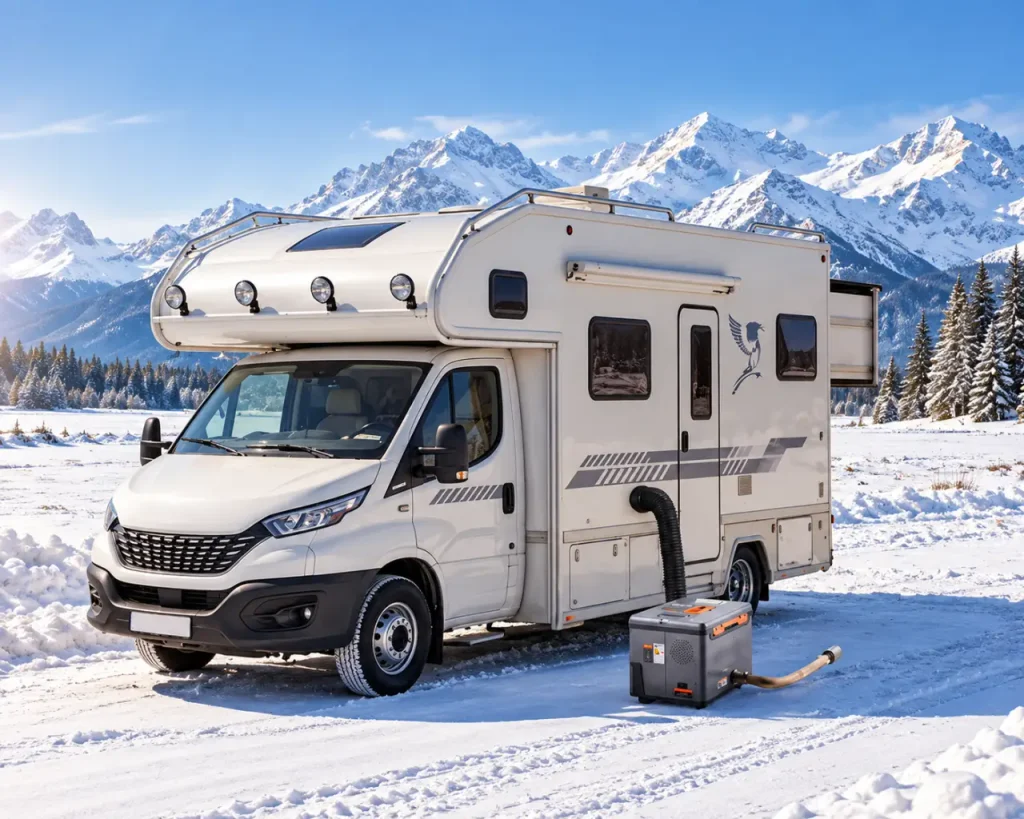
Cold-weather van travel gets uncomfortable fast when the metal walls, windows, and floor start pulling heat out of the living space. Frosted glass in the morning, damp bedding, cold floors, and condensation behind cabinets can turn an otherwise great campsite into a place you simply want to leave.
A good van life heating setup solves more than one problem. It should keep the living space comfortable, help wet gear dry, reduce the temptation to seal the van up too tightly, and make shoulder-season and winter trips much easier to enjoy.
But the heater itself is only part of the system.
The most effective cold-weather van setup starts with insulation, window coverage, and ventilation, then adds a heat source that matches how and where the van is actually used. A full-time winter traveler needs something very different from someone who occasionally wakes up to a 35°F morning at a campground. ❄️
This guide breaks down those choices without overcomplicating them: what to insulate, how diesel, propane, and electric heaters differ, which setup makes sense for different travel styles, and the safety details that matter inside a small enclosed space.
Quick Verdict: The Best Van Heating Solutions
| Solution | Best For | Key Benefit | Considerations |
|---|---|---|---|
| Diesel Air Heater | Serious All-Season Van Lifers | Dry, efficient, powerful heat | Installation required, higher upfront cost |
| Portable Propane Heater | Weekend Warriors & Budget Builds | Low cost, portable, no installation | Adds moisture, requires ventilation, CO risk |
| Thorough Insulation | Every Single Van Build | The essential foundation for any heater | Upfront labor and cost |
| Electric Heater | Campgrounds & Shore Power | Simple, quiet heat without combustion | Huge power draw; not practical for most off-grid setups |
For travelers regularly camping below freezing, a properly installed vented diesel air heater is usually the most practical all-around solution.
For occasional cold mornings and evenings, a portable propane heater is much easier and less expensive—but it comes with more ventilation, moisture, and operating limitations.
And if the van spends most nights at campsites with electrical hookups, a small electric heater may be all that’s needed.
Part 1: The Foundation — Insulation Comes First
A heater can warm an uninsulated van, but it will spend much more of its time replacing heat that immediately escapes through the walls, roof, floor, windows, and exposed metal.
That means more fuel, more battery use, larger temperature swings, and a heater that seems to work constantly without making the space feel consistently comfortable.
Insulation slows that heat loss.
It also helps keep interior surfaces warmer, which can reduce the amount of condensation that forms on cold metal. Insulation alone won’t solve moisture problems—people breathing, cooking, wet jackets, and snowy boots all add water vapor—but insulation paired with intentional ventilation makes a cold-weather van far easier to manage. 🌲
Common Van Insulation Types
There isn’t one insulation material that makes sense for every build. Space, climate, cost, ease of installation, and the shape of the van all matter.
Havelock Wool
Sheep’s wool is popular in DIY van conversions because it can be packed into irregular cavities and curved sections where rigid foam is awkward to install.
It also offers useful sound dampening, which is noticeable when driving in rain or spending the night near traffic.
- Pros: Good moisture management, natural material, useful sound dampening, works well in irregular cavities.
- Cons: Bulkier than some synthetic options and can cost more than basic rigid foam.
Wool makes the most sense when ease of installation and filling oddly shaped spaces matter more than squeezing the maximum insulation value into every inch.
3M Thinsulate
3M Thinsulate is another popular option for camper-van conversions because it’s lightweight, flexible, and useful around ribs, doors, cavities, and curved body panels.
Unlike rigid boards, it conforms to the van rather than requiring dozens of precisely cut pieces.
- Pros: Lightweight, flexible, moisture-resistant, easy to fit into curved areas.
- Cons: More expensive than many basic foam-board installations.
For a van where interior space matters and installation needs to stay relatively clean and straightforward, Thinsulate is one of the easier materials to work with.
Foam Board (XPS or Polyiso)
Rigid foam board is attractive for DIY builds because it’s widely available and can provide plenty of insulation without a premium price.
Large, relatively flat areas such as floors, walls, and portions of the ceiling are where it works best.
- Pros: Affordable, good insulation value, easy to source, useful for large flat surfaces.
- Cons: Harder to fit around curves and ribs, gaps need careful attention, and poorly fitted pieces can move or squeak.
The quality of the installation matters as much as the material itself. Small uninsulated gaps around framing and metal ribs can become noticeable cold spots in winter.
Spray Foam
Closed-cell spray foam can fill difficult cavities and create a continuous layer of insulation where other materials leave gaps.
The tradeoff is permanence.
Once sprayed into the van, removing it for wiring changes, body repairs, or future renovations can be difficult.
- Pros: Excellent gap filling, strong insulation performance, useful in difficult spaces.
- Cons: Messy, difficult to remove, easy to apply poorly, and professional installation can be expensive.
For most DIY builders, spray foam deserves more planning than simply treating it as the highest-performance option.
Don’t Forget These Insulation Hotspots
A beautifully insulated wall won’t help much if several major heat-loss areas are left exposed.
- Floor: Insulation below the finished floor helps with more than the air temperature. It keeps the surface under your feet from feeling painfully cold first thing in the morning.
- Windows: Glass loses heat quickly. Well-fitting insulated window covers make one of the most noticeable overnight improvements in a van.
- Windshield and Cab: The cab can act like a giant cold sink. A thermal curtain behind the front seats can dramatically reduce the volume of space the heater has to warm.
- Rear and Side Doors: Door cavities, seals, and large areas of exposed metal are easy to overlook.
- Roof Fan/Vent: When the fan isn’t needed, an insulated cover can reduce heat loss—but ventilation still matters when people are sleeping, cooking, or drying wet gear.
The goal isn’t to make the van airtight. A cold-weather van still needs controlled airflow to manage humidity and maintain healthy indoor air. 🏕️
Part 2: Choosing Your Van Heater
Once heat loss is under control, choosing a heater becomes much easier.
The main question isn’t simply which heater gets hottest?
It’s which heating system fits the way the van is actually used?
A traveler spending December nights in Colorado needs dependable overnight heating. Someone road-tripping through California with an occasional freezing morning may need heat for only 30 minutes before breakfast.
Key Factors to Consider
- Fuel Type & Availability: A diesel van can make a diesel heater especially convenient if the heater is configured to draw from the vehicle’s fuel supply. Propane means carrying a separate fuel source but is easy to find across the U.S.
- Safety: Combustion heaters require careful installation and operation. A properly installed vented heater keeps its combustion process separated from the living area and sends exhaust outside. A carbon monoxide detector belongs in any van using fuel-burning appliances.
- Moisture Output: Unvented propane combustion releases water vapor directly into the living space. In a cold van, that moisture quickly shows up on windows and other cold surfaces. Vented diesel heaters don’t release their combustion moisture into the cabin.
- Power Consumption: Diesel heaters still need electricity for controls, the fuel pump, and the blower. Startup can place a much larger short-term load on the electrical system than normal operation.
- Installation: Portable propane heaters require little setup. A permanently installed diesel heater requires fuel, electrical, intake, exhaust, mounting, and ducting work.
- Where You Camp: Shore power completely changes the equation. If a 120V outlet is available most nights, electric heat becomes simple and practical.
Think about the coldest realistic conditions the van will see—not an imaginary worst-case expedition that may never happen.
Buying and installing a complicated heating system for one chilly weekend per year usually doesn’t make sense.
The Best Van Heaters: Our Top Picks
Rather than looking for one heater that wins every category, these options solve three very different cold-weather van-life problems.
Best Overall: VEVOR Diesel Air Heater
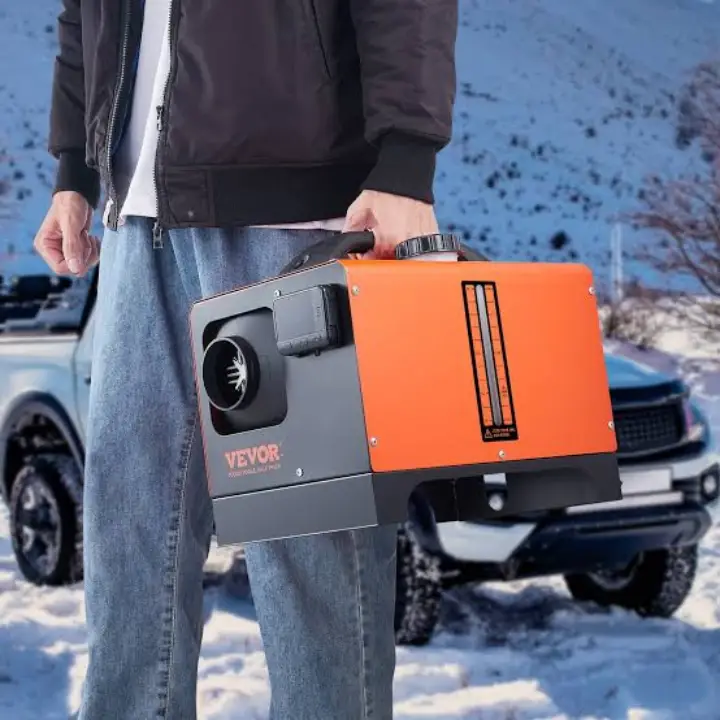
For travelers who regularly sleep in the van during freezing weather, a vented diesel air heater offers the combination that matters most: steady heat, efficient fuel use, and combustion that remains separated from the interior when the system is installed correctly.
The VEVOR Diesel Air Heater remains one of the more accessible ways to build a diesel heating system without jumping immediately to premium Webasto or Eberspächer pricing.
Warm air is circulated through the cabin while combustion intake and exhaust are routed separately. That makes the heat feel very different from an unvented propane heater—especially after several hours in a small space.
There’s less combustion-related moisture being added to the cabin, so the windows and bedding have a better chance of staying dry when ventilation is managed properly.
🔥 Where diesel heat really shines: waking up on a subfreezing morning and having the entire living space already warm enough to get dressed, make coffee, and move around comfortably.
The tradeoff is installation.
Fuel lines, electrical connections, ducting, combustion air, exhaust routing, mounting clearances, and sealing penetrations through the vehicle all need to be handled correctly. This is not the part of a van build where improvisation pays off.
- What We Like: Efficient, consistent heat; combustion exhaust routed outside; good fit for frequent cold-weather travel.
- What We Don’t: Installation is much more involved than a portable heater; pump and fan noise are noticeable; quality of installation matters enormously.
- Best For: Full-time van life, ski trips, winter road trips, and travelers who regularly camp in freezing conditions.
- Who Should Skip It: Travelers who rarely encounter cold weather or don’t want to install a permanent heating system.
- Where to Buy: Browse VEVOR diesel heaters on Amazon.
A budget diesel heater can provide excellent value, but don’t treat the heater itself as the entire purchase. Proper mounting hardware, exhaust routing, electrical protection, ducting, and installation time all belong in the real cost.
Best for Portability & Simplicity: Mr. Heater Portable Buddy
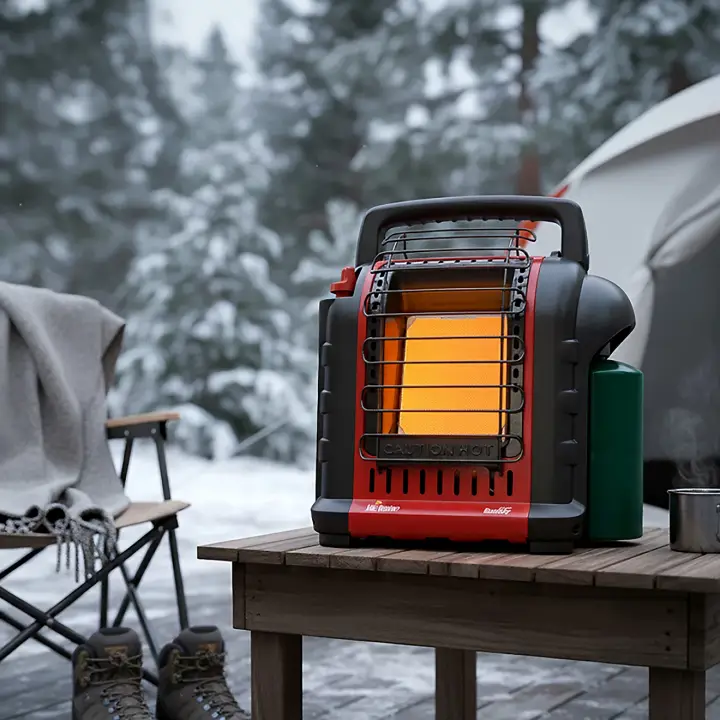
The Mr. Heater Portable Buddy makes sense for an entirely different kind of traveler.
There is no permanent installation. Attach the appropriate propane cylinder, follow the manufacturer’s operating instructions, and it can quickly warm a cold space.
That makes it useful when the goal is something like this:
Wake up to a 38°F van, turn on the heater while awake and ventilating the space, get dressed, make breakfast, and pack it away before driving.
That is very different from relying on it as an unattended overnight heating system.
The Portable Buddy uses propane combustion inside the space where it’s operating, so ventilation and moisture management matter. It also should never be operated while sleeping, regardless of built-in safety features.
Condensation is the other practical downside.
Run an unvented propane heater inside a cold van and the added moisture can end up on windows, metal surfaces, and other cold spots. If jackets, boots, and people are already adding humidity, the cabin can become clammy surprisingly quickly.
- What We Like: Portable, simple, fast heat with no permanent installation.
- What We Don’t: Adds combustion moisture to the living space; requires proper ventilation and careful operation; not for use while sleeping.
- Best For: Weekend campers, occasional cold mornings, mild-weather van builds, and backup heat.
- Who Should Skip It: Anyone looking for unattended overnight heat or a primary full-time winter heating system.
- Where to Buy: Check current options on Amazon.
The Portable Buddy is still a useful tool—the key is using it for the job it actually does well rather than expecting it to behave like a permanently vented furnace.
Best for Campgrounds: Small Electric Heater

For vans regularly plugged into 120V shore power, electric heat is hard to beat for simplicity.
There is no fuel tank, combustion exhaust, or added combustion moisture inside the van. Plug in a small heater, set the thermostat, and let the campsite’s electrical connection supply the energy.
A compact ceramic heater with a thermostat, tip-over shutoff, and overheat protection is generally the most practical format for a van.
The important number isn’t the heater’s physical size. It’s the electrical load.
A typical full-size portable electric heater can draw around 1,500 watts on high. That’s manageable from an appropriate shore-power connection but an enormous continuous load for most van battery banks.
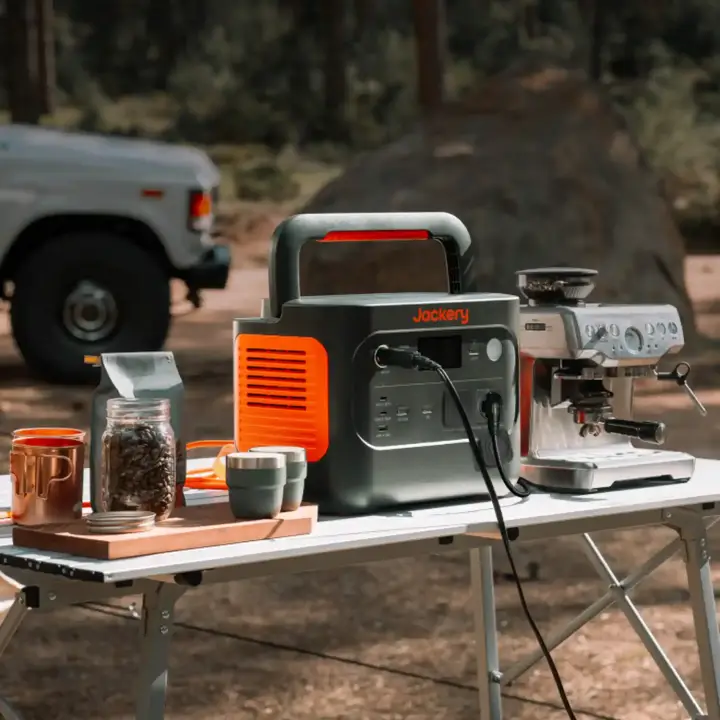
⚡ Even a large portable power station can lose a substantial portion of its stored energy surprisingly quickly when asked to produce electric resistance heat for hours.
That’s why electric heaters make great campground heaters and poor off-grid primary heaters.
- What We Like: Simple operation, no combustion inside the van, no combustion moisture, easy temperature control.
- What We Don’t: Very high electrical demand; impractical for extended battery-powered heating in most vans.
- Best For: Powered campgrounds, RV parks, driveways with safe shore-power access, and travelers who frequently plug in.
- Who Should Skip It: Mostly off-grid travelers expecting to heat the van from a normal house battery or portable power station.
- Where to Buy: Browse electric heaters on Amazon.
If shore power is already part of the travel routine, there’s little reason to burn propane or diesel simply to avoid plugging in a small electric heater.
Safety is Non-Negotiable
A warm van isn’t worth much if the heating system creates a bigger problem than the cold.
Treat every heater according to its manufacturer’s installation and operating instructions rather than assuming that similar-looking products can be used the same way.
- Install a Carbon Monoxide (CO) Detector: Any van using a fuel-burning heater, stove, or other combustion appliance should have a functioning CO detector. Test it regularly and follow the manufacturer’s replacement schedule.
- Use the Heater Only as Designed: Portable, permanently vented, and electric heaters have very different operating requirements. Never assume that a heater suitable for an enclosed space is automatically suitable for unattended or sleeping use.
- Ventilate When Required: Unvented combustion appliances need adequate ventilation. Ventilation also helps remove humidity generated by people, cooking, wet clothing, and snow-covered gear.
- Protect the Exhaust System: For installed diesel heaters, regularly inspect the exhaust routing and termination. Snow, mud, road debris, damage, or poor routing can create serious problems.
- Keep Combustibles Away: Bedding, jackets, towels, curtains, paper products, and gear can easily migrate toward a heater in a tiny van. Maintain the manufacturer’s required clearances.
- Don’t Improvise the Installation: Exhaust components, fuel lines, electrical connections, fuses, heat-resistant materials, and vehicle penetrations all need to be appropriate for the heater.
- Follow Altitude Guidance: Some heaters have elevation limits or require settings that account for thinner air at high elevations. That’s particularly relevant for ski-area and mountain travel.
If any permanent fuel-burning heater installation feels beyond the limits of a DIY build, professional installation is money well spent.
Low-Tech Ways to Stay Warm
Cabin heat is only one layer of a comfortable winter setup.
Sometimes the biggest improvement comes from reducing how much heat you need in the first place.
Use the Right Sleep System
The heater warms the van. Your sleeping bag, quilt, or bedding keeps you warm.
Choose insulation appropriate for the overnight temperatures expected on the trip rather than depending on the heater to make lightweight summer bedding work in winter.
A good sleep system also gives you a safety margin if the heater shuts down or the battery runs low overnight.
Cover the Windows
Insulated window covers are one of the highest-impact upgrades in a cold van.
They reduce radiant heat loss through the glass, improve privacy, and make the area around the windows feel noticeably less cold.
Pay special attention to the windshield. Its surface area is huge compared with most side windows.
Separate the Cab
A thermal curtain behind the front seats can dramatically shrink the area being heated.
That matters because the cab has large windows, exposed doors, vents, and plenty of poorly insulated surfaces.
Heating only the living area means faster warm-up and less fuel or electricity used to maintain temperature.
Warm the Bed Before Getting In
A properly designed hot-water bottle can add targeted warmth without running a cabin heater for hours.
Place it in the sleeping bag or under the blankets shortly before bed and the difference is immediate. Use a container intended for hot water and follow its temperature instructions rather than improvising with bottles that aren’t designed for the job.
Dress for the Cabin Temperature
Fleece, wool, insulated socks, slippers, and a warm beanie make it possible to keep the thermostat several degrees lower without feeling uncomfortable.
That matters off-grid because every degree of cabin temperature eventually translates into more fuel or electricity.
Manage Wet Gear
A soaked shell, snowy boots, and damp towels can dump a surprising amount of moisture into a small van.
Hang wet gear where air can circulate, use ventilation even when it’s cold outside, and avoid creating piles of damp clothing against cold exterior walls.
A slightly cooler van with controlled humidity often feels far more comfortable than an overheated van dripping with condensation. 🌨️
Building the Right Van Life Heating Setup
The easiest way to choose a heating system is to work backward from how the van will actually be used.
Occasional Fall and Spring Trips
If temperatures only occasionally dip into the 30s or 40s:
Prioritize:
- Insulation
- Window covers
- Warm bedding
- Layered clothing
- A portable heater for short periods if needed
A permanent diesel system may be unnecessary.
Regular Winter and Ski Trips
If nights below freezing are normal:
Prioritize:
- Comprehensive insulation
- Quality window covers
- Roof ventilation
- A properly installed vented diesel heater
- Adequate house-battery capacity
- CO detection
- A sleep system warm enough to handle a heater failure
This is where a permanent heating system starts earning the installation effort.
Mostly Powered Campgrounds
If shore power is available most nights:
Prioritize:
- Insulation
- Window covers
- Safe shore-power wiring
- A compact thermostatically controlled electric heater
- Warm bedding as backup
There’s little benefit in making the heating system more complicated than necessary.
Mixed Off-Grid and Campground Travel
For travelers moving between dispersed campsites and powered campgrounds, the most flexible setup may combine a permanent diesel heater with an inexpensive electric heater.
Use diesel when boondocking and electric heat when campground power is already included in the site.
That keeps fuel use down without making the van dependent on electrical hookups.
Final Verdict
The best approach to van life heating is straightforward:
Keep heat inside first. Then choose the simplest heater that fits the conditions you actually travel in.
A properly insulated van with good window covers can stay comfortable with much less heating than a poorly insulated build running an oversized heater all night.
For frequent winter travel, a properly installed diesel air heater is the strongest all-around choice. It delivers steady cabin heat without dumping combustion moisture into the living space, and it makes a major difference when mornings regularly start below freezing.
For weekend trips and occasional chilly weather, the Mr. Heater Portable Buddy is much easier to justify. Use it while awake, provide the ventilation required by the manufacturer, and treat it as short-term portable heat rather than an overnight furnace.
And when a campground outlet is available, a small electric heater is usually the simplest option of all.
Most importantly, don’t build the heating system around a product.
Build it around the trip.
The right setup for a December ski trip in the Rockies will look very different from the right setup for shoulder-season weekends in the Southwest—and recognizing that difference can save money, installation work, fuel, battery capacity, and plenty of uncomfortable nights on the road.
Frequently Asked Questions (FAQ)
Is it safe to sleep with a heater on in a van?
That depends entirely on the heater and its approved use.
Do not operate an unvented portable propane heater such as the Mr. Heater Portable Buddy while sleeping; the manufacturer’s instructions specifically warn against it.
Permanently installed vented heaters are designed differently because combustion air and exhaust are isolated from the living space, but they still need to be correctly installed, maintained, and operated according to the manufacturer’s instructions.
A functioning carbon monoxide detector should also be part of any van using fuel-burning appliances.
How much does it cost to install a diesel heater?
The range is wide.
Budget diesel heaters can keep the hardware cost relatively low, while premium systems from brands such as Webasto or Eberspächer plus professional installation can run into several thousand dollars.
Don’t compare heater prices alone. Fuel plumbing, electrical work, exhaust components, mounting, ducting, controls, and installation labor all contribute to the real cost of the system.
Do I really need a heater if I have a good sleeping bag?
Not necessarily.
If the goal is simply sleeping through an occasional cold night, a properly rated sleeping bag or quilt may provide all the warmth you need.
The heater becomes much more valuable during the hours when you’re not inside the sleeping bag: getting dressed, cooking breakfast, working inside the van, drying wet clothing, or spending an entire stormy day at camp.
For regular winter van life, that difference is significant.
Can I run a van heater off my van’s battery?
Diesel air heaters use 12V electricity for components such as the controller, fan, glow plug, and fuel pump, but the diesel itself provides the heat.
That makes their electrical demand far lower than an electric resistance space heater.
Use a properly sized house battery system, appropriate wiring, and the fuse protection specified by the heater manufacturer rather than relying on the vehicle’s starter battery for extended heating.
Can a portable power station run an electric heater?
Technically, many high-output portable power stations can power a small electric heater if their inverter supports the load.
That doesn’t make it efficient.
Electric resistance heaters can consume hundreds or roughly 1,500 watts continuously, depending on the model and setting. Even a sizable battery can therefore be depleted quickly.
For sustained off-grid cabin heating, burning diesel or another properly vented heating fuel is generally much more practical than converting stored battery energy directly into resistance heat.
How do you reduce condensation inside a heated van?
Start with several strategies working together:
- Insulate cold surfaces.
- Use insulated window covers.
- Vent the van regularly.
- Run the roof fan when cooking or producing significant moisture.
- Dry wet clothing and boots with airflow around them.
- Avoid sealing every vent simply because the outside temperature is cold.
- Use a vented heating system when regular winter travel justifies one.
Heating the van without removing moisture can leave the air warm while windows and hidden metal surfaces remain wet.
Is propane or diesel better for van life heating?
For occasional portable heat, propane is simpler.
For regular cold-weather van life, diesel usually makes more sense because a permanently installed diesel air heater vents its combustion outside and doesn’t add combustion moisture directly to the living space.
The better choice ultimately depends on travel frequency, climate, installation budget, fuel setup, and whether the heater needs to maintain cabin temperature for long periods.
Affiliate Disclosure: GearForTheOutdoors.com participates in affiliate programs, including REI, Amazon, REI Outlet, Garage Grown Gear, evo, and other trusted partners. When you purchase through our links, we may earn a small commission at no extra cost to you. That helps support our content and keeps our recommendations useful, practical, and free.
Disclaimer: This post is for informational purposes only. Always verify current product details, fit, availability, safety information, and manufacturer warranties before purchase or use. Outdoor conditions and gear performance can vary depending on setup, weather, terrain, and experience level.