Van life usually gets pictured as sunrise coffee, quiet trailheads, and a perfectly organized rig parked beside a lake. 😊 The part that matters more in the beginning is much simpler: having the right gear to sleep well, eat well, stay charged, and keep the van comfortable enough to use again the next day.
That is where a lot of beginners get stuck. It is easy to assume a real van setup needs built-in cabinets, a full electrical system, fixed plumbing, and a long shopping list before the first overnight trip even makes sense.
In practice, a simple setup is often the smarter place to start. A supportive mattress, an easy cooking setup, a portable power source, and a few comfort basics can turn an empty van into a functional little basecamp without making the project feel complicated or expensive.
This guide focuses on the best van life gear for beginners using products that fit the current GearForTheOutdoors.com affiliate mix and are still live across approved partner brands and retailers. That means the recommendations lean into brands like REI, NEMO, EXPED, GSI Outdoors, Dometic, EcoFlow, Jackery, Luno, Yakima, and Deepsleep Overland instead of older picks that no longer make as much sense for the project.
Quick Take: The Four Pillars of a Simple Van Setup
If the goal is to get on the road without overthinking every detail, start with these four areas first.
- Sleep: A comfortable, insulated bed setup changes everything.
- Kitchen: A simple stove, water storage, and a few cooking basics go a long way.
- Power: A portable power station makes charging devices easy without touching the starter battery.
- Comfort & Safety: Chairs, ventilation, storage, lighting, and first-aid basics make the van feel usable instead of improvised.
The Essential Van Life Gear for Beginners: A Category-by-Category Guide
The easiest way to build a beginner setup is to think in systems. Instead of buying random “van life essentials,” it helps to look at what each part of the setup actually needs to do.
1. Your Sleeping System: The Foundation of Comfort
A van can be simple in a lot of ways, but the sleeping setup should not be one of them. After a long drive, a windy trail day, or a cold night at elevation, good sleep is what keeps the trip feeling fun instead of tiring.
For beginners, this is the category worth prioritizing first.
What to Look For
- Comfort: There is usually room to choose thicker, more mattress-like sleep gear than a backpacking setup.
- Insulation (R-Value): Cold creeps in fast through a vehicle floor or platform. For three-season use, solid insulation matters.
- Durability: A van bed gets folded, leaned on, moved around, and packed with gear nearby.
- Ease of setup: If the bed is annoying to make every night, it will feel like a chore quickly.
Our Recommendations for a Simple Setup
- Mattress/Sleeping Pad: The EXPED MegaMat is still one of the easiest recommendations in this category because it offers 4 inches of cushioning and is built for camping comfort rather than minimalist packability. For couples or anyone building a wider platform, the NEMO Roamer Double remains one of the most comfortable premium double-pad options at REI, with 4 inches of cushioning and a design that feels much closer to a home mattress than a typical air pad.
- Vehicle-Specific Sleep Upgrade: If the beginner setup is more SUV-based or crossover-based than true van-based, brands like Luno and Deepsleep Overland make a lot of sense. Luno’s AIR Pro Vehicle Mattress is designed to transform compatible vehicles into a sleeping space for two, while Deepsleep Overland’s current Solo Mat lineup and self-inflating camping bed focus heavily on thicker, comfort-first sleep for vehicle camping.
- Sleeping Bag or Quilt: For many beginners, a roomy rectangular bag works better in a van than a narrow mummy bag. The REI Co-op Siesta Hooded 20 Sleeping Bag is a strong fit because it is designed around comfort, has a relaxed rectangular shape, and includes an insulated hood that works well with a pillow-from-home approach.
- Pillows: Bringing normal pillows from home is still one of the best low-cost comfort upgrades. It makes the space feel more familiar right away.
A beginner van setup does not need to look polished to work well. It just needs to feel inviting at the end of the day. 😴
2. The Camp Kitchen: Simple, Delicious Meals on Wheels
A beginner van kitchen does not need cabinets, drawers, or a built-in sink to be useful. In fact, a portable kitchen usually works better at first because it can move outside when the weather is nice and pack away neatly when it is not.
That flexibility is one of the biggest advantages of starting simple.
What to Look For
- Simplicity: Easy setup and easy cleanup matter more than fancy features.
- Reliability: A stove should light easily and cook consistently.
- Storage: Kitchen gear should fit in one bin or one defined zone.
- Real usefulness: The best beginner kitchen gear earns its footprint every day.
Our Kitchen Essentials
- Stove: Instead of defaulting to an old generic camp stove pick, a better updated choice here is the GSI Outdoors Selkirk 540+ Camp Stove. It uses twin 14,000 BTU burners, has wraparound windscreens, and is clearly positioned for full camp-style cooking rather than ultralight use. For van life beginners who want something that feels sturdy and simple, it is a much better match for the site’s current affiliate mix.
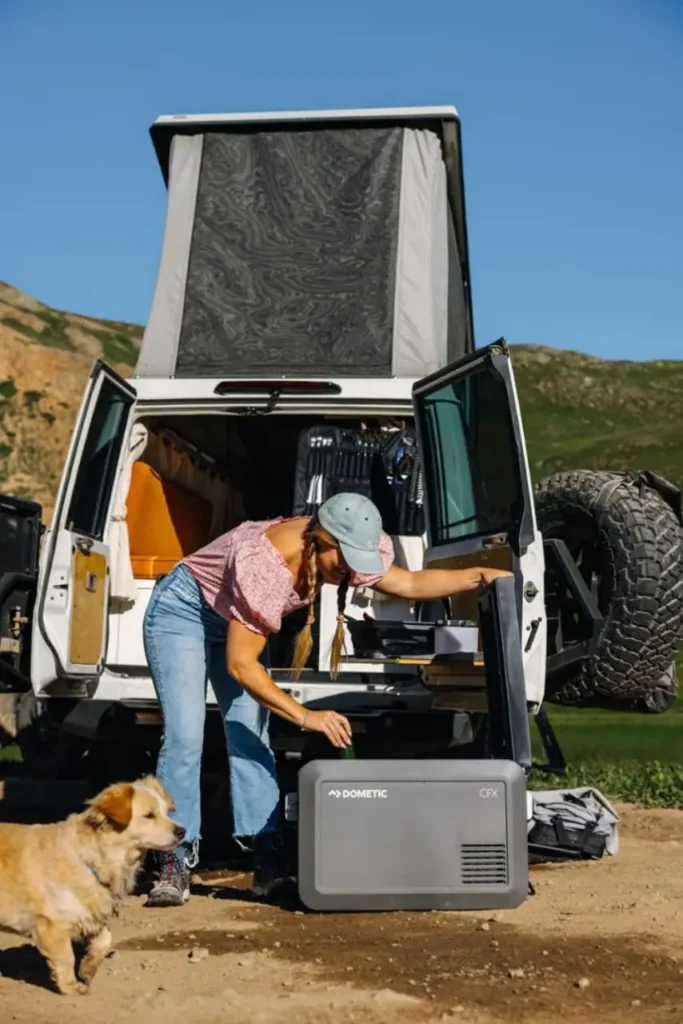
- Cooler / Fridge Upgrade Path: A traditional cooler still works for starting out, but the real upgrade path in van life is a powered electric cooler. Dometic’s current CFX5 45 Electric Cooler is part of the brand’s live electric cooler lineup and is positioned as a 45L ice-free electric cooler for vehicle-based travel. That is the kind of upgrade that can make longer road trips easier once the basics are dialed in.
- Cookware & Utensils: The GSI Outdoors Pinnacle Ceramic Camper Compact Cook Set is a strong fit for beginner van life because it is built around nesting efficiency, camp durability, and easier cleanup thanks to the ceramic-coated cookware. That is exactly the kind of “modular but not fussy” setup that works well in a small vehicle.
- Mugs & Daily Drinkware: Insulated mugs and bottles still earn their keep in a van. Morning coffee, cold trailhead water, and evening tea all feel easier when drinkware does not spill easily and holds temperature well.
- Water Storage: A sturdy water jug with a spigot is still one of the simplest, smartest van life purchases. Easy water access helps with cooking, brushing teeth, dishes, and everyday cleanup.
- Cleanup: A collapsible basin, biodegradable soap, and one dedicated quick-dry towel are enough to keep the kitchen from feeling chaotic. 🧼
For beginners, the goal is not a dream kitchen. The goal is being able to make coffee, boil water, cook a simple dinner, and clean up without turning the van into a mess.
3. Power & Lighting: Staying Charged and Cozy
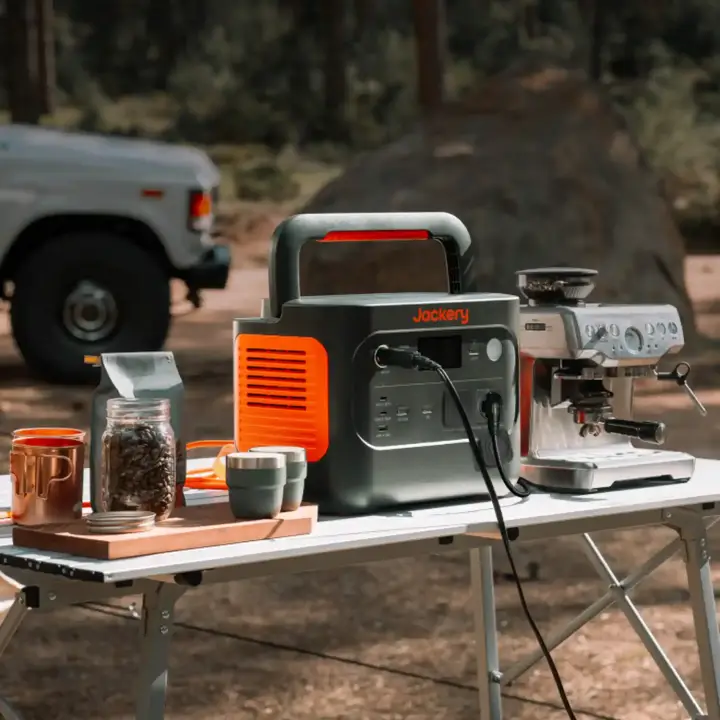
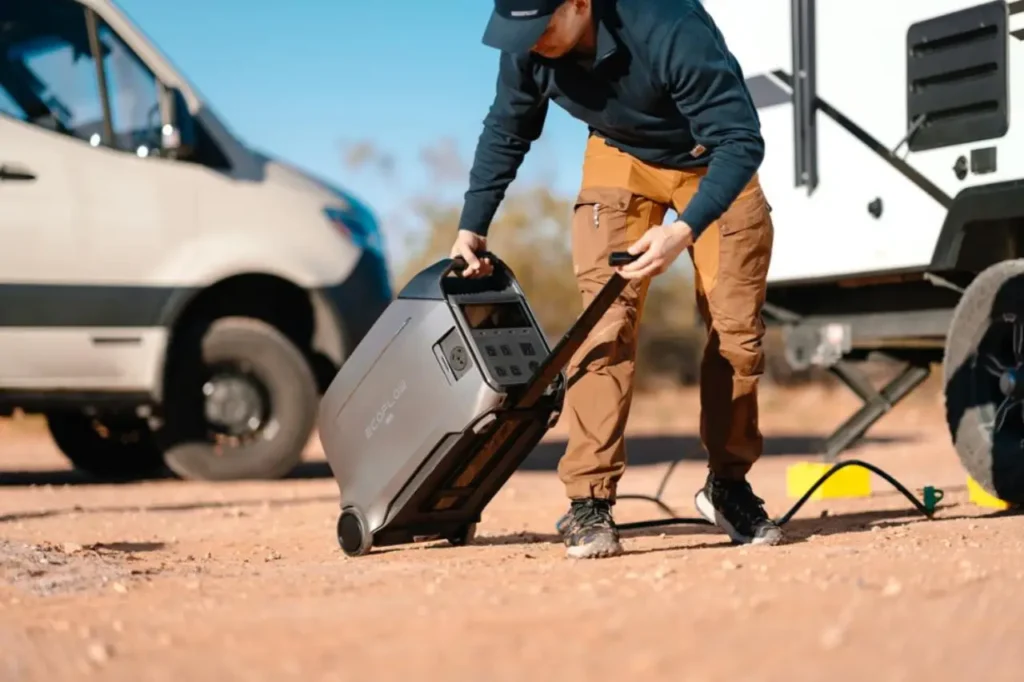
A portable power station is one of the fastest ways to make a beginner van setup feel practical. It makes it easier to charge a phone, laptop, camera, headlamp, or fan without stressing about the vehicle battery.
That is a big quality-of-life jump, especially on multi-day trips. 🔋
What to Look For
- Capacity (Watt-hours): Enough power for daily devices without paying for more capacity than the setup really needs.
- Useful outputs: USB-A, USB-C, and at least one AC outlet are the basics.
- Multiple charging options: Wall charging, 12V charging while driving, and optional solar input are all helpful.
- Plug-and-play simplicity: Beginners usually benefit more from a simple box than a complicated installed system.
Our Power & Lighting Picks
- Portable Power Station: For a simple starter setup, the safest updated picks are EcoFlow RIVER 2 and Jackery Explorer 500 v2. EcoFlow’s RIVER 2 is still live and positioned as an easy-to-use portable power station, while Jackery’s Explorer 500 v2 gives beginners a more road-trip-friendly step up within a very established portable power brand.
- Headlamp: The Petzl ACTIK CORE remains a great match for van life because it is rechargeable, offers red lighting, and is designed for outdoor use where hands-free light really matters. That helps with everything from late dinner prep to finding gear without blasting the whole van with light.
- Lantern: The Goal Zero Lighthouse 600 still fits this category well because it provides adjustable multi-directional light and also functions as a USB charging hub. That kind of dual-purpose gear makes a lot of sense in a small-space setup.
- Ambient Lighting: Soft USB string lights or low-output warm lighting can make the van feel noticeably calmer and more usable in the evening.
Portable power is one of those upgrades that beginners tend to appreciate immediately. It reduces friction, makes nightly routines easier, and gives the setup more flexibility without requiring a permanent build.
4. Comfort & Organization: The Little Things That Matter
This is the category that often separates a van that feels calm from a van that always feels cluttered. A few smart comfort and storage choices can make a basic setup feel much more finished, even without any cabinetry or major modifications.
That matters because beginner van life works best when the setup is easy to live with, not just easy to photograph. 😊
What to Look For
- Space efficiency: Every item should justify the room it takes.
- Durability: Storage and camp furniture need to handle daily use.
- Accessibility: Gear should be easy to reach and easy to put away.
- Multi-use value: The best small-space gear usually serves more than one purpose.
Our Comfort & Organization Essentials
- Camp Chairs: For a compact, proven option, the REI Co-op Flexlite Camp Chair is still a strong beginner pick and remains a co-op favorite for its portability and durability. If the goal is more relaxed lounge comfort around camp, REI’s current low-chair lineup is also worth a look.
- Roof Storage / Overflow Space: Not every beginner needs roof storage right away, but once bedding, camp kitchen gear, and extra layers start filling the van, outside storage can become very useful. Yakima’s current SkyBox family is still live, and options like the SkyBox 16 Carbonite and SkyBox NX series are built around weather-resistant cargo storage and easy packing for travel.
- Storage Bins: Tough, stackable bins are still one of the best beginner organization tools. Clothes, food, cables, toiletries, and kitchen gear all get easier to manage when they each have a designated home.
- Window Covers: These still matter for both privacy and temperature control. DIY covers work at first, but fitted covers are usually a noticeable step up in everyday comfort.
- Ventilation: Small rechargeable fans make warm nights easier and help fight condensation. Even a basic airflow strategy can make a van feel much less stuffy.
This category rarely feels exciting while shopping, but it often ends up being the difference between a setup that stays organized and one that turns into a pile of gear after two days.
5. Safety & Sanitation: Be Prepared, Stay Clean
Safety and hygiene gear usually gets less attention than sleep or power, but these are the items that quietly make trips smoother and less stressful.
The goal here is not to overpack. It is to cover the basics so a small problem does not become a much bigger one. 🩹
- First-Aid Kit: A well-stocked first-aid kit should always be in the van. Bandages, blister care, antiseptic wipes, pain relief, and personal medications are the minimum starting point.
- Emergency Road Kit: Jumper cables, a tire pressure gauge, a reflective triangle, a compact inflator, and a basic toolkit are all worth carrying.
- Portable Toilet: A simple portable toilet setup gives beginners much more flexibility, especially at night or in more remote camping situations.
- Simple Option: A bucket-style toilet with wag bags is cheap, effective, and easy to store.
- Comfort Option: A cassette-style portable toilet feels more civilized and works better for longer stays.
- Hygiene Kit: Toothbrush, toothpaste, soap, wipes, quick-dry towel, and hand sanitizer cover most needs.
- Shower Backup Plan: Many beginners still rely on campground facilities or gym memberships rather than trying to build a full shower setup into the van right away.
This part of the setup is easy to underestimate until the weather turns, the campground bathroom is farther than expected, or a small roadside issue shows up at the wrong time.
How to Prioritize Your Purchases: A Tiered Approach
If the full gear list still feels like a lot, the easiest fix is to build in tiers instead of trying to buy everything at once.
| Priority Tier | Gear Category | Why It’s in This Tier |
|---|---|---|
| Tier 1: The Must-Haves | Sleep System | You can’t function without a good night’s sleep. This is your number one priority. |
| Basic Kitchen | A stove, water storage, and simple cookware let you eat real meals without relying on takeout. | |
| Water Storage | Clean water matters for drinking, cooking, and basic cleanup. | |
| First-Aid & Safety | Small problems are easier to handle when the basics are already packed. | |
| Tier 2: Major Upgrades | Portable Power Station | One of the biggest quality-of-life improvements for charging devices and powering small accessories. |
| Better Cooler or Electric Fridge | Helps stretch trips longer and reduces constant resupply stops. | |
| Camp Chairs | Adds a real outdoor living space beyond the van doors. | |
| Portable Toilet | Makes remote camping and overnight parking more comfortable. | |
| Tier 3: Nice-to-Haves | Window Covers | Big upgrade for privacy, better sleep, and temperature management. |
| Roof Storage | Helpful once gear starts multiplying and indoor space gets tight. | |
| Awning / Shade Setup | Great for comfort, but not necessary for the first few trips. |
This approach keeps the budget focused on the gear that changes the experience most.
Final Thoughts: Start Simple, Evolve as You Go
The best van life gear for beginners is not the gear that looks the most impressive online. It is the gear that helps make the first few trips comfortable, practical, and easy enough to repeat. 🌄
That usually means starting with a strong sleeping setup, a simple kitchen, basic water storage, portable power, and a few comfort items that make the space easier to use. From there, the upgrades become clearer.
Some beginners quickly decide that a Dometic electric cooler or a bigger power station is the next smart move. Others realize that the bigger quality-of-life jump comes from better storage, a more supportive mattress, or a more compact kitchen kit. That process is part of the fun.
A good beginner setup does not need to be finished. It just needs to work well enough to get out the door.
Frequently Asked Questions for New Van Lifers
1. Do I need a full solar panel setup to start?
No. A portable power station is enough for many beginners, especially on weekend trips or short road adventures. EcoFlow and Jackery both still offer live portable options that make much more sense for a starter setup than jumping straight into a built-in electrical system.
2. How do I manage condensation inside the van?
Ventilation is the biggest factor. Crack a window, run a small fan, and avoid trapping too much moisture from breathing, damp layers, and cooking. Condensation is normal in vehicle camping, but airflow helps keep it manageable.
3. What’s the best way to find places to sleep in a van?
Many beginners use camping and overlanding apps to find campgrounds, public land options, and traveler-reviewed overnight spots. It still helps to double-check posted rules and local restrictions before settling in.
4. How much water should I carry?
A practical starting point is at least one gallon per person, per day. In hot weather, remote areas, or longer stays away from services, carrying more is usually the safer move.
Affiliate Disclosure: GearForTheOutdoors.com participates in affiliate programs, including REI, Amazon, REI Outlet, Garage Grown Gear, evo, and other trusted partners. When you purchase through our links, we may earn a small commission at no extra cost to you. That helps support our content and keeps our recommendations useful, practical, and free.
Disclaimer: This post is for informational purposes only. Always verify current product details, fit, availability, safety information, and manufacturer warranties before purchase or use. Outdoor conditions and gear performance can vary depending on setup, weather, terrain, and experience level.